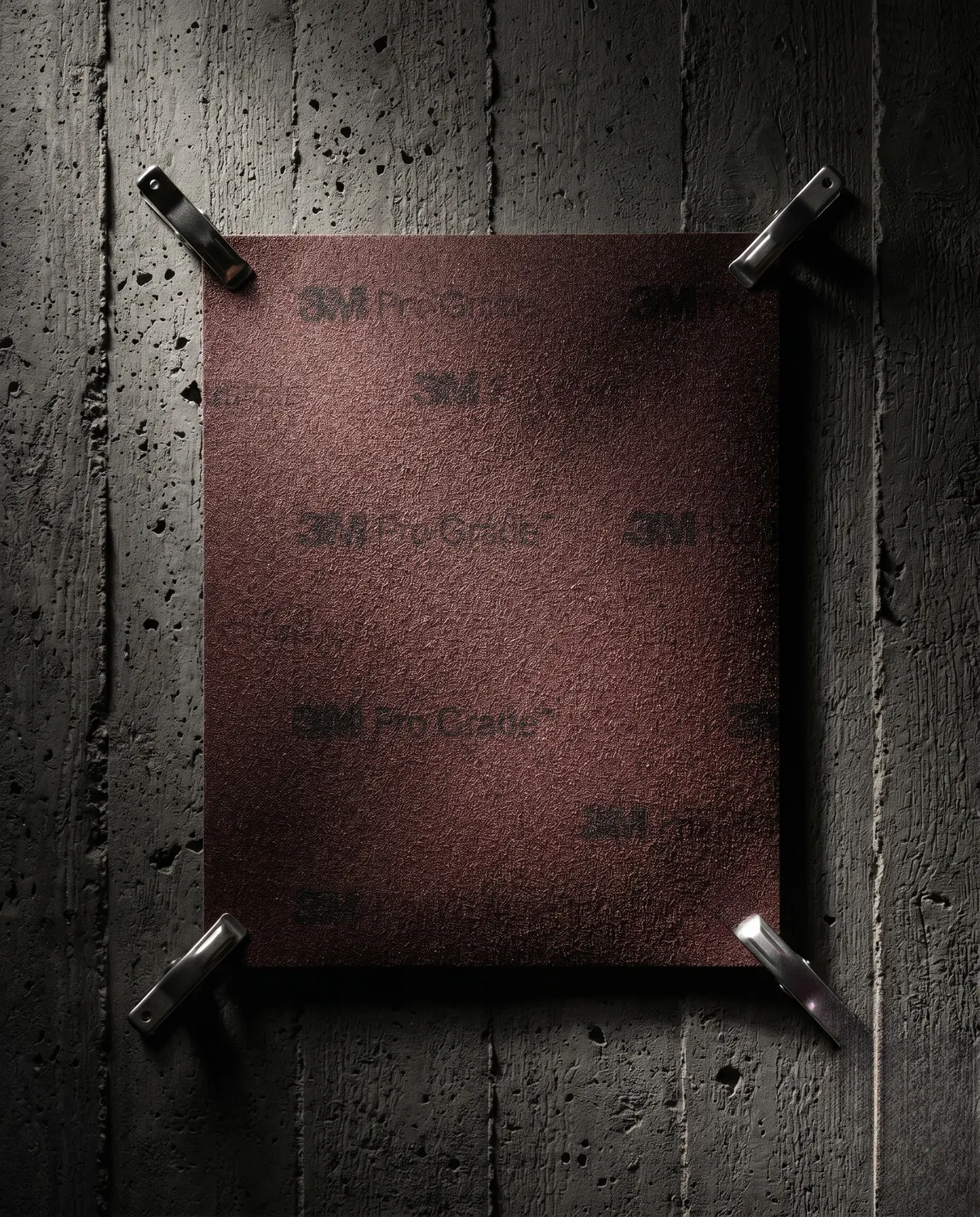
Sheets
Mid
Grit · 80-320 assorted
3M Pro Grade Precision Assorted Pack
Five grits. One box. Everything you need to finish what you started.
Grit profile
Coarse
Aggressive shaping, rust removal, knocking down old finish.
60 grit in other scales
If the pack says 60 (CAMI, most US paper)
~265 µmAbout the same as P60.
If it says P60 (FEPA, Festool, Mirka, Norton 3X)
~269 µmAbout the same as CAMI 60.P60, converted →
Sizes are average particle diameters from the published CAMI and FEPA tables. Full ladder in the grit chart; any grade on any scale in the grit converter.
What 60 grit is for
60-grit is for aggressive shaping when 40 is overkill. It cuts fast, leaves a coarse but workable surface, and is the practical first grit for most rough lumber. The scratch pattern still won’t survive a finish, but 80 will erase it quickly.
Projects at 60 grit
Abrasive materials
Common mistake
On softwood, 60-grit can gouge. Keep pressure light and let the abrasive do the work.
Top pick at 60
3M Pro Grade Precision Assorted Pack
Five grits. One box. Everything you need to finish what you started.
Catalog fit
85
Current SKU matches in this grit lane.
Common forms
5
Forms represented here, led by discs.
Head to head
4
Comparison pages currently touching this stage of the sanding climb.
Use this grit when
Skip this grit when
Five grits. One box. Everything you need to finish what you started.
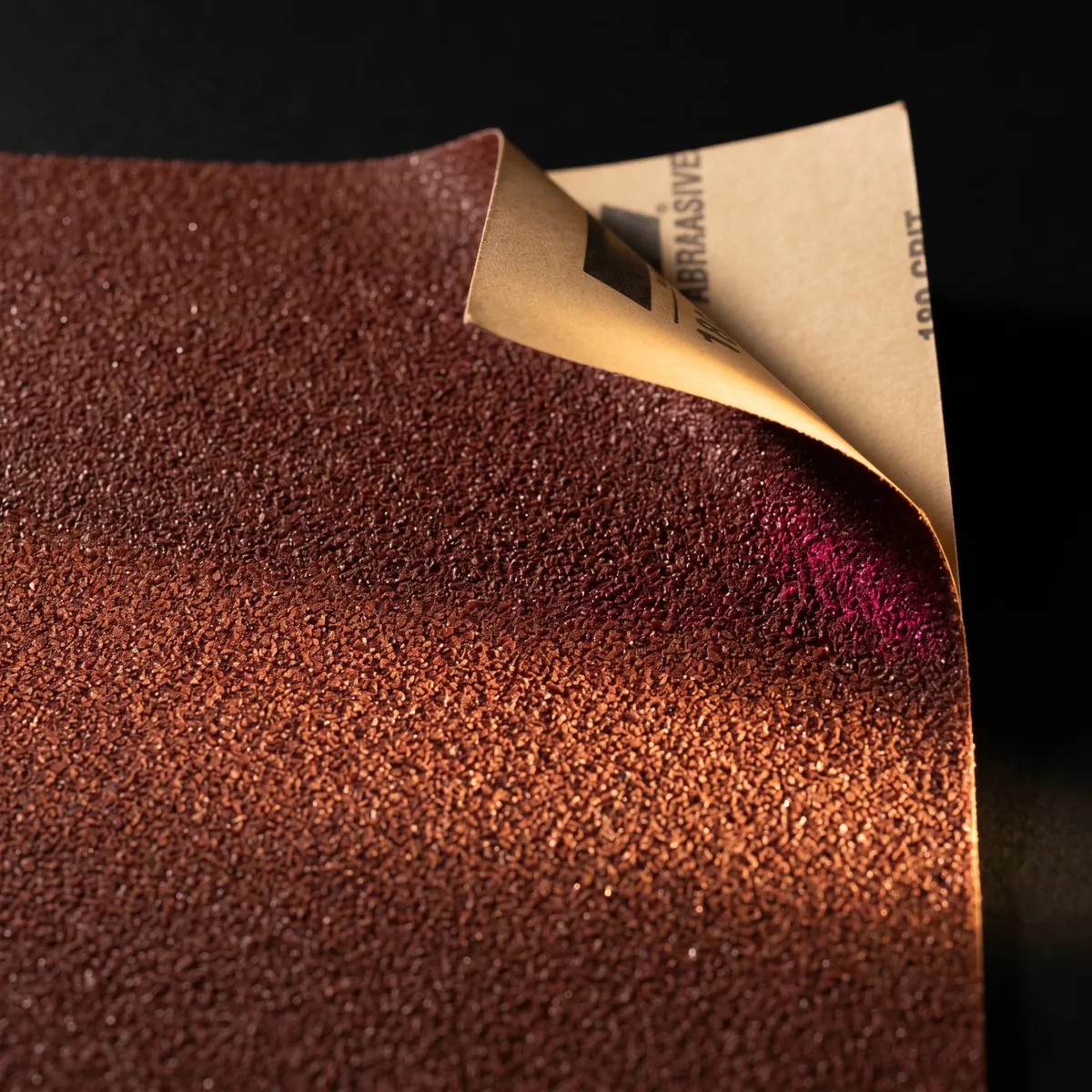
When 100-grit has been disappointing you and you're done being patient.
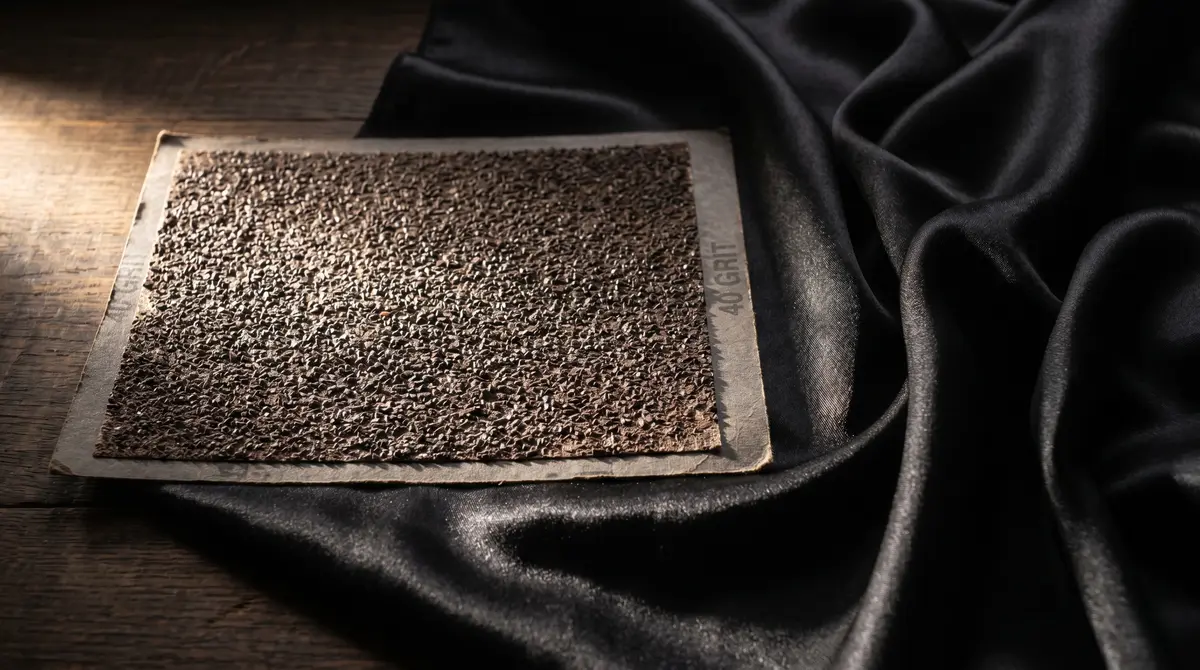
Comes in at 40 and leaves nothing to argue about.
Clicks in smooth. Finnish-made. Doesn't ask you to stop.
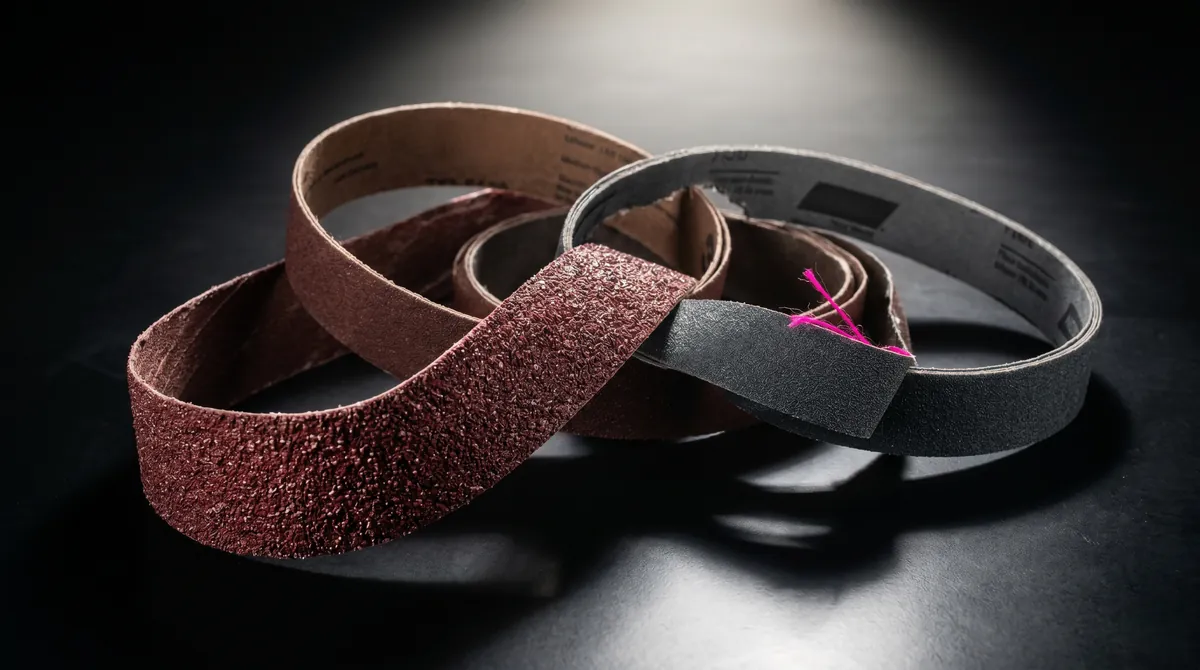
Slide it on. Lock it down. Don't stop until the surface says so.
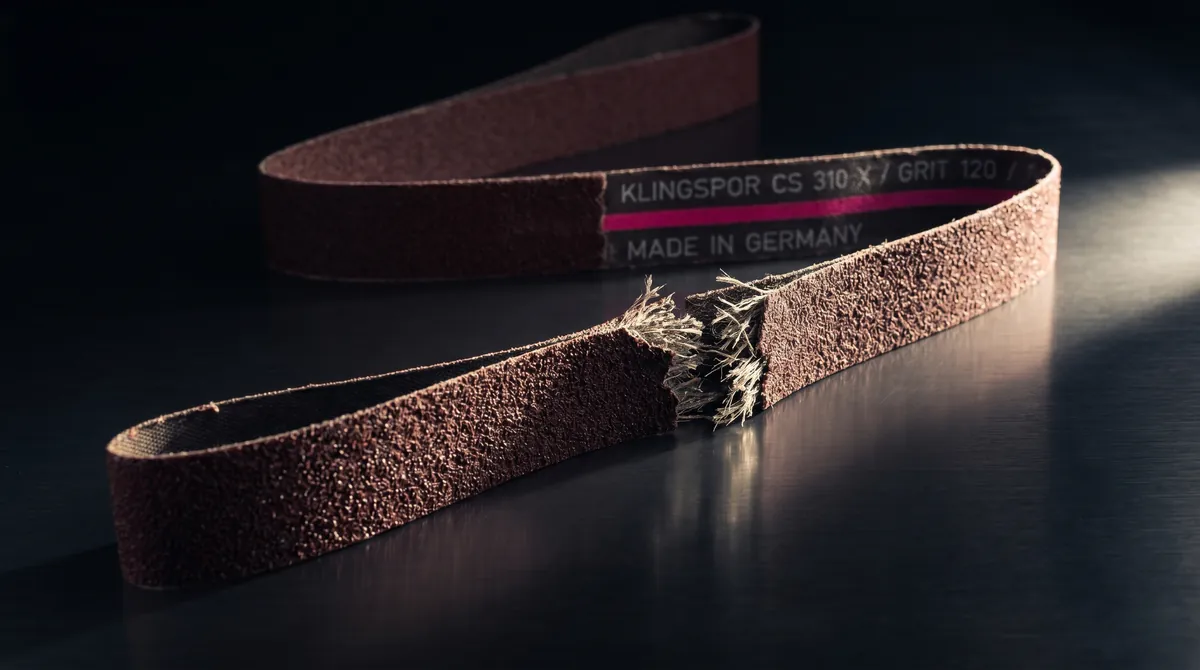
German-built for long, demanding sessions on material that pushes back.
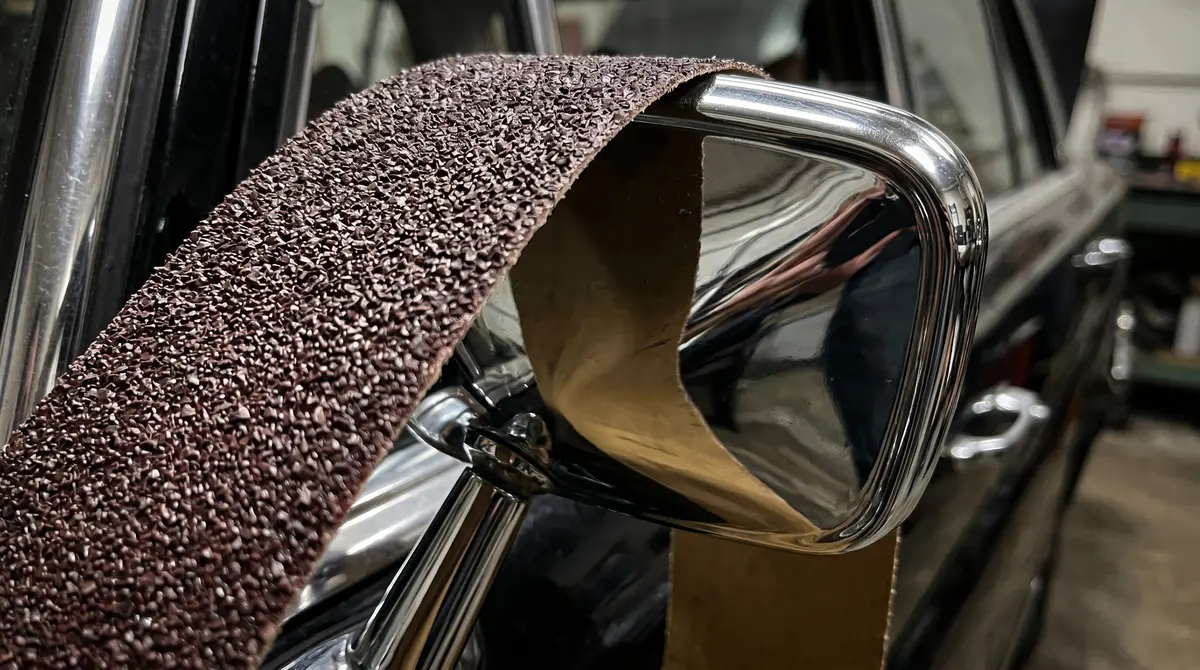
Cut it to fit. Wrap it tight. Works every surface that won't hold still.
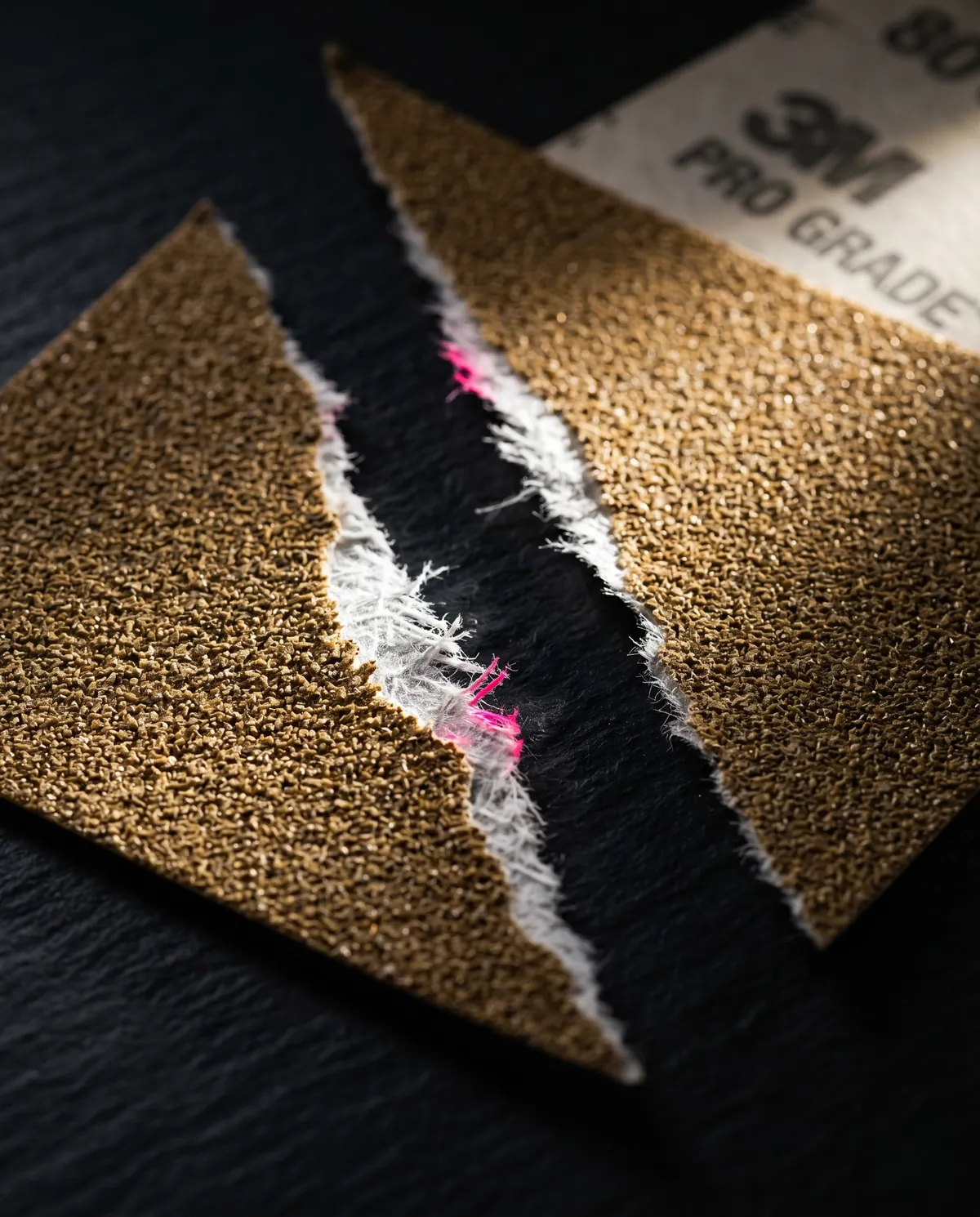
Twenty-four sheets. Find out which grit you can't stay away from.
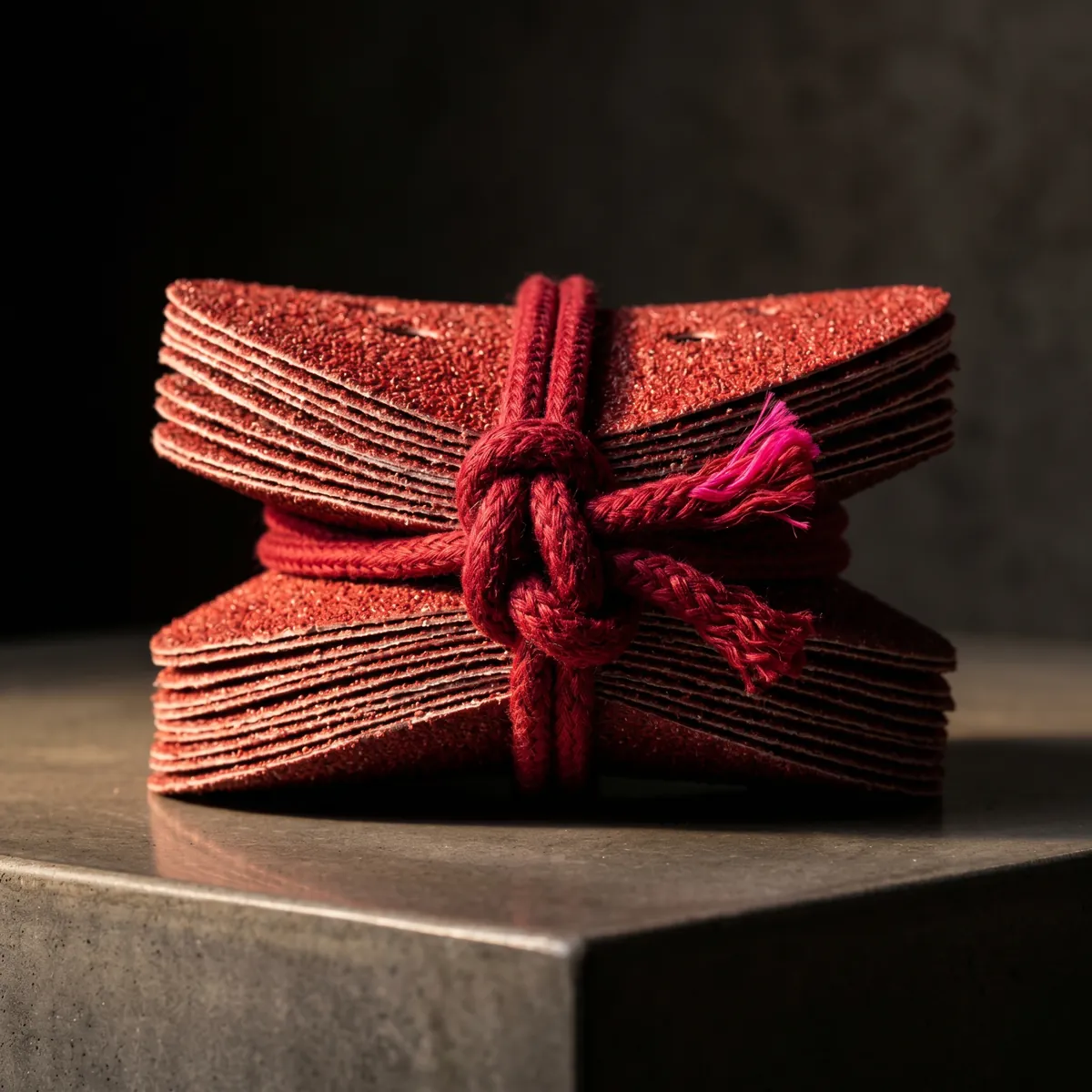
For the hard surfaces that don't open up for just anything.

Dust goes through the disc instead of loading it. The math changes.
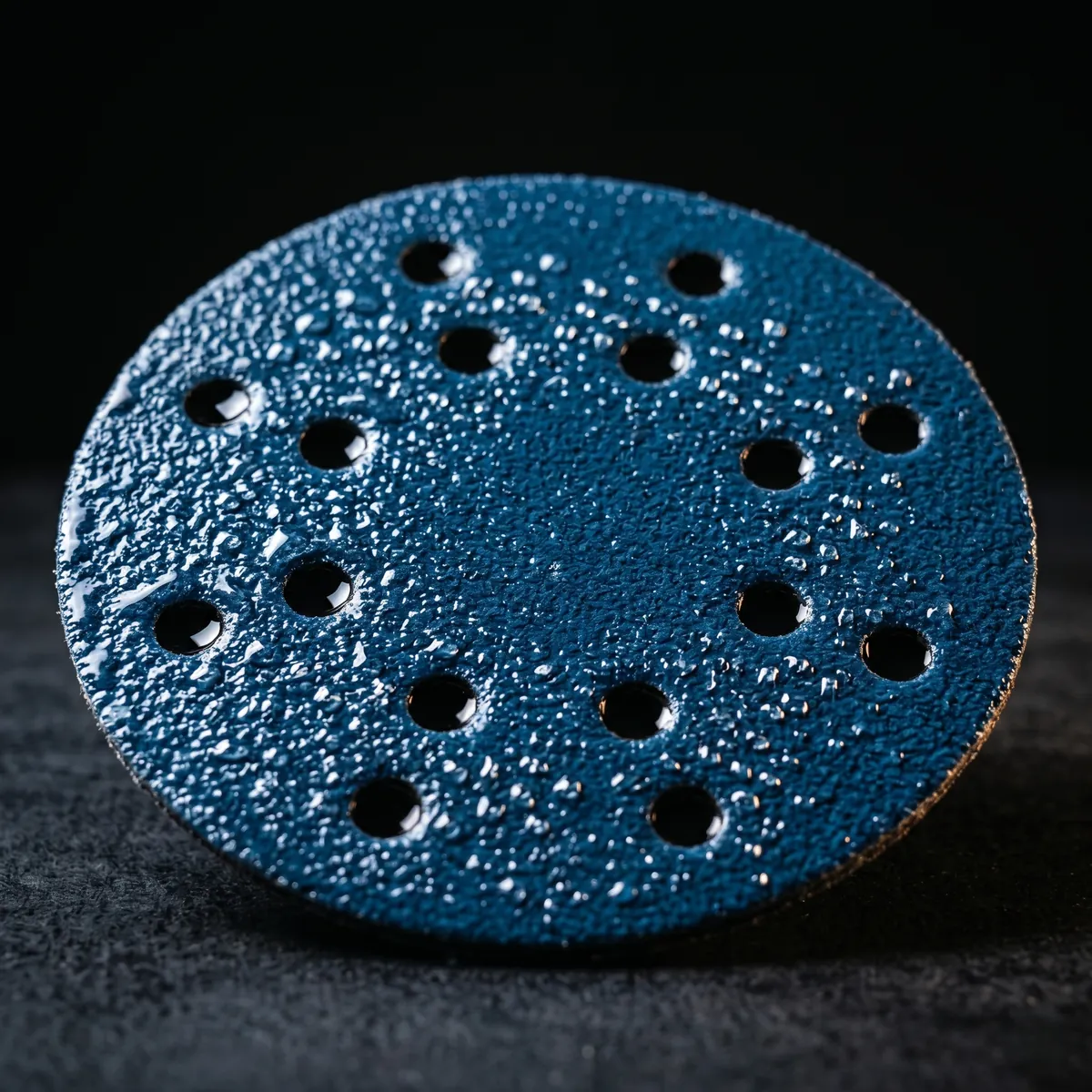
The disc the Festool deserves. Everything else is settling.
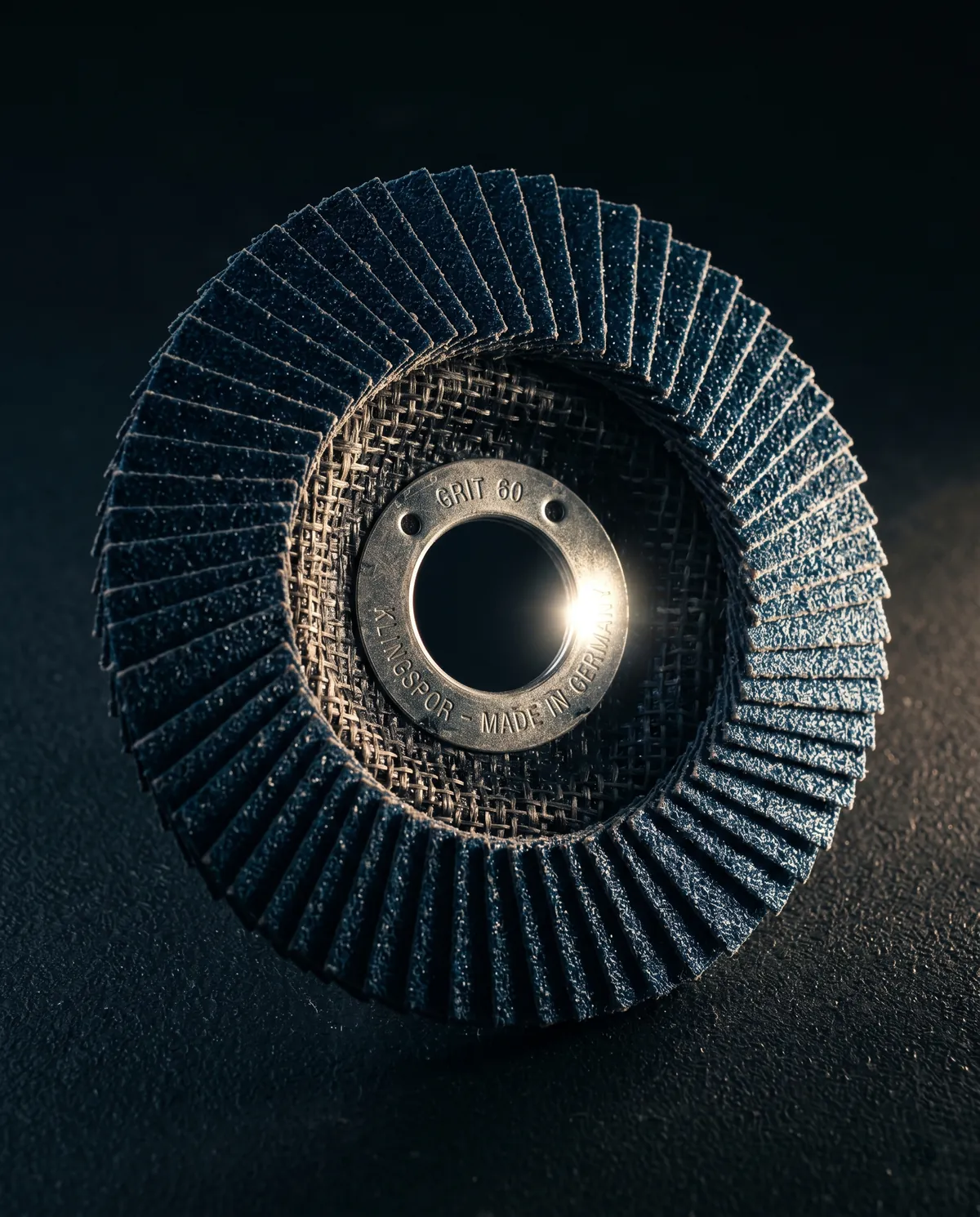
A hundred discs. Change them when they're done, not when you run out.
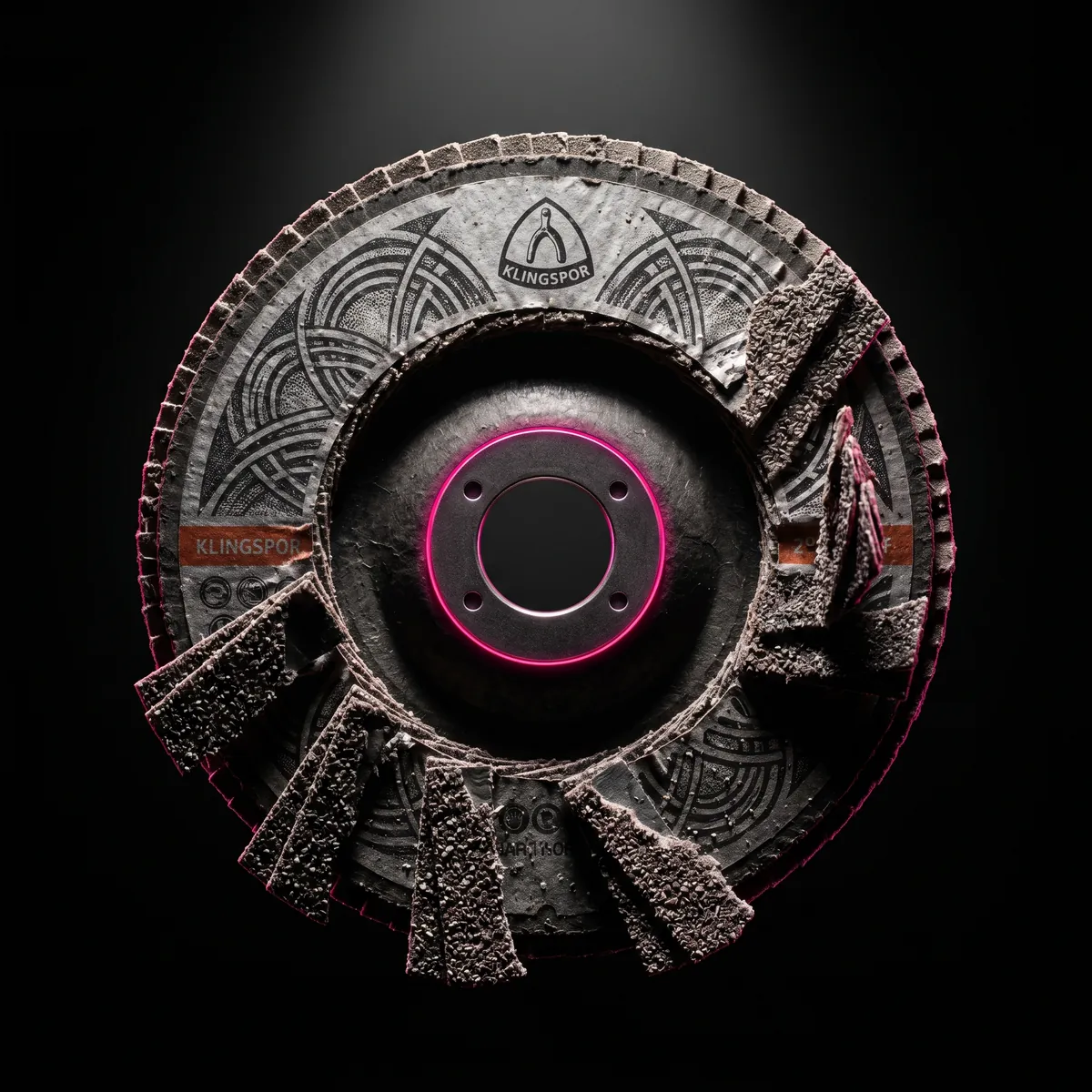
Zirconia at 60. Goes through weld and rust like it's been waiting.
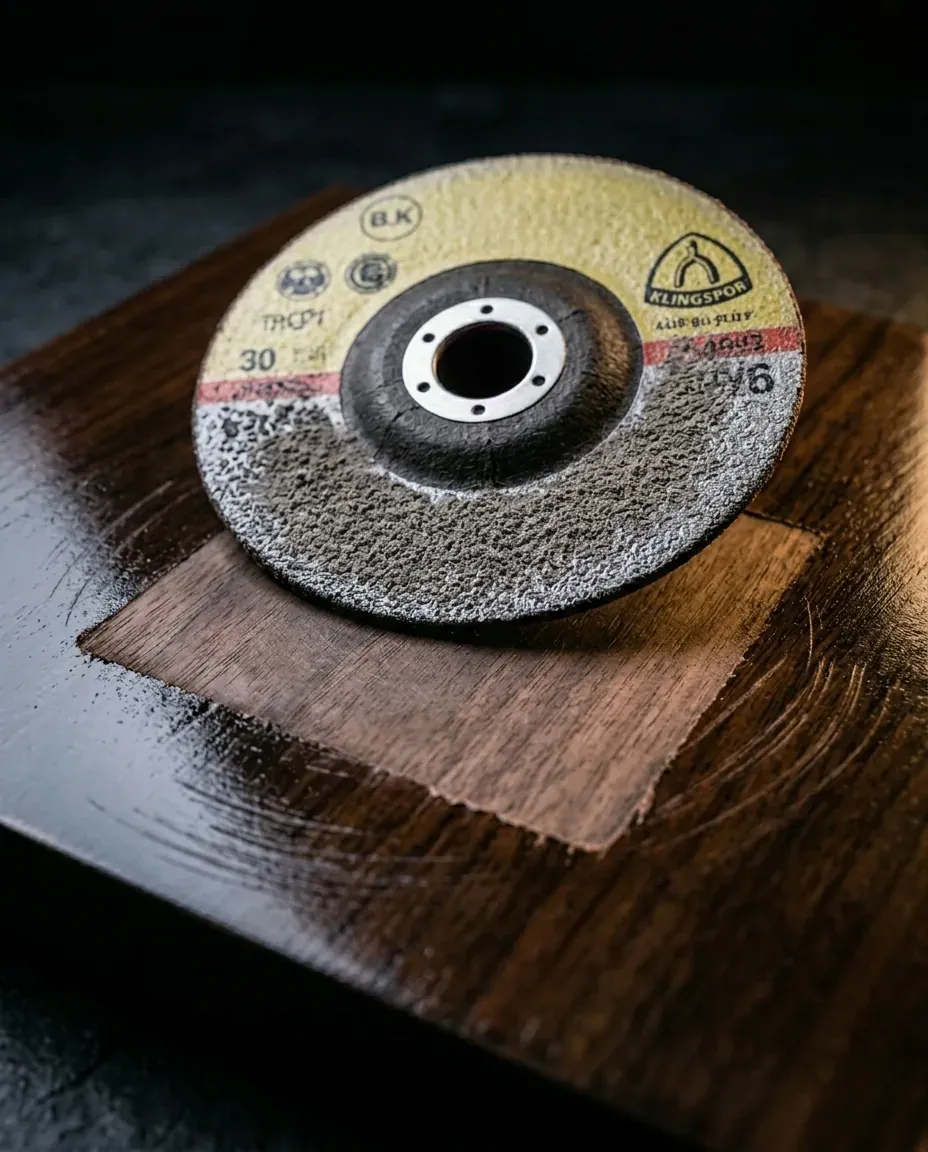
German-made. Sized for the small machine that does the careful work.
Open-coat for joint compound. It stays sharp because it has to.
Mirka ceramic. Latest generation. Stays sharp when the others stop.
The step between 60 and finish on metal.
Doesn't clog. Backing stays true. Made for the angle grinder.
15 discs. Three grits. Metal work at cost.
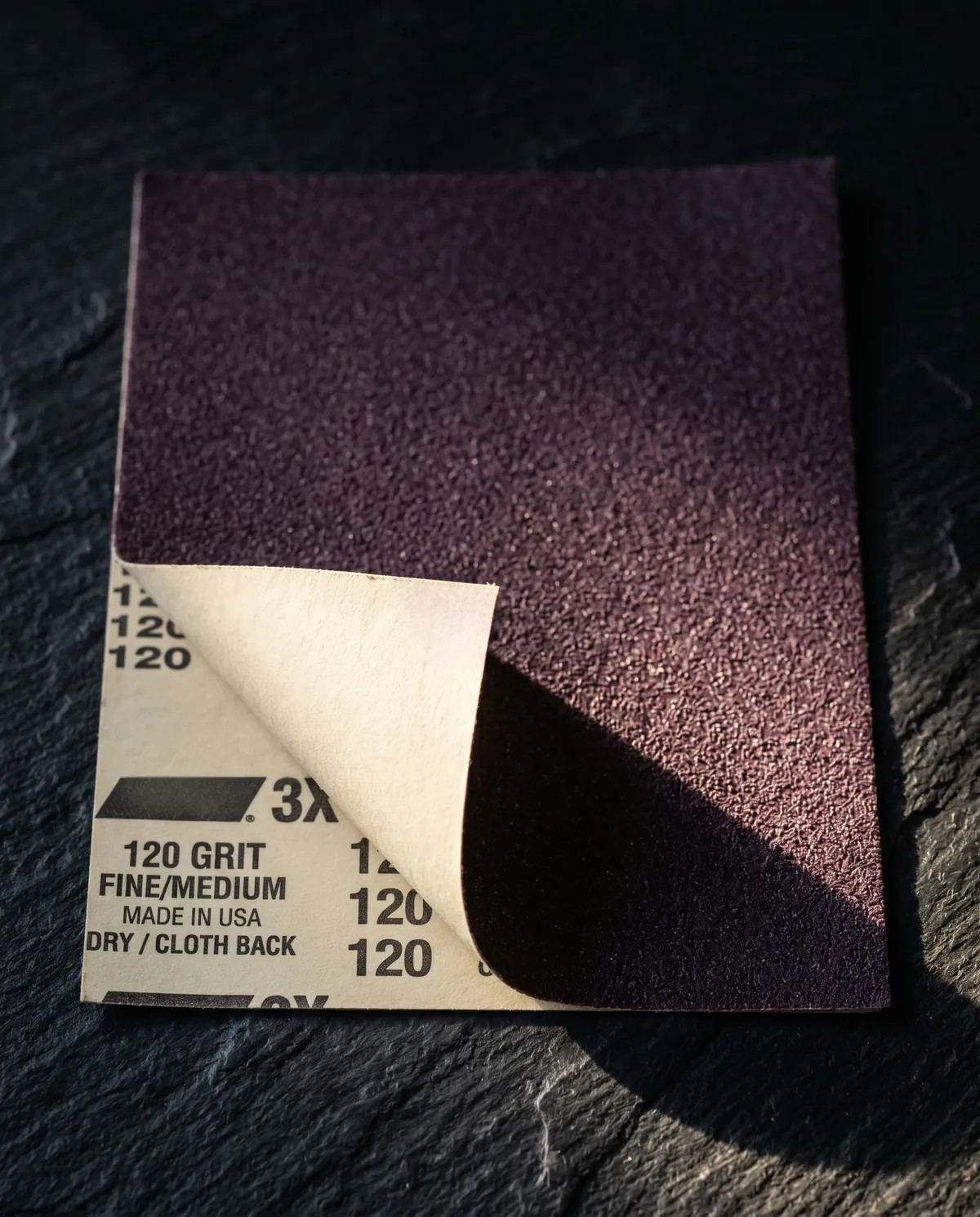
For the detail work that won't stand still for a sheet.
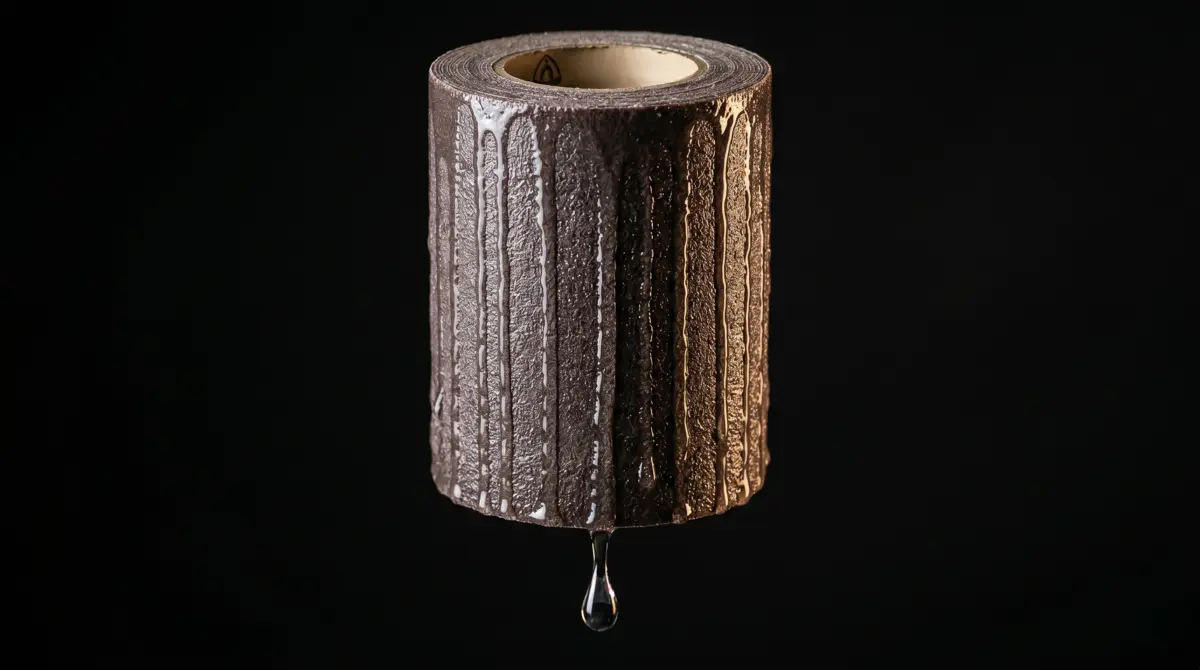
Bends, doesn't break. Fifty yards of flexible stock removal.
Ceramic grain, through-the-net extraction. Lasts longer. Cuts cleaner.
Russian tech. Faster cutting. Fifty discs at a real price.

German-made. Zirconia grain. The serious alternative.
Six-inch format. Festool quality. Everything the name promises.
Bends. Conforms. Finishes. Exactly in that order.
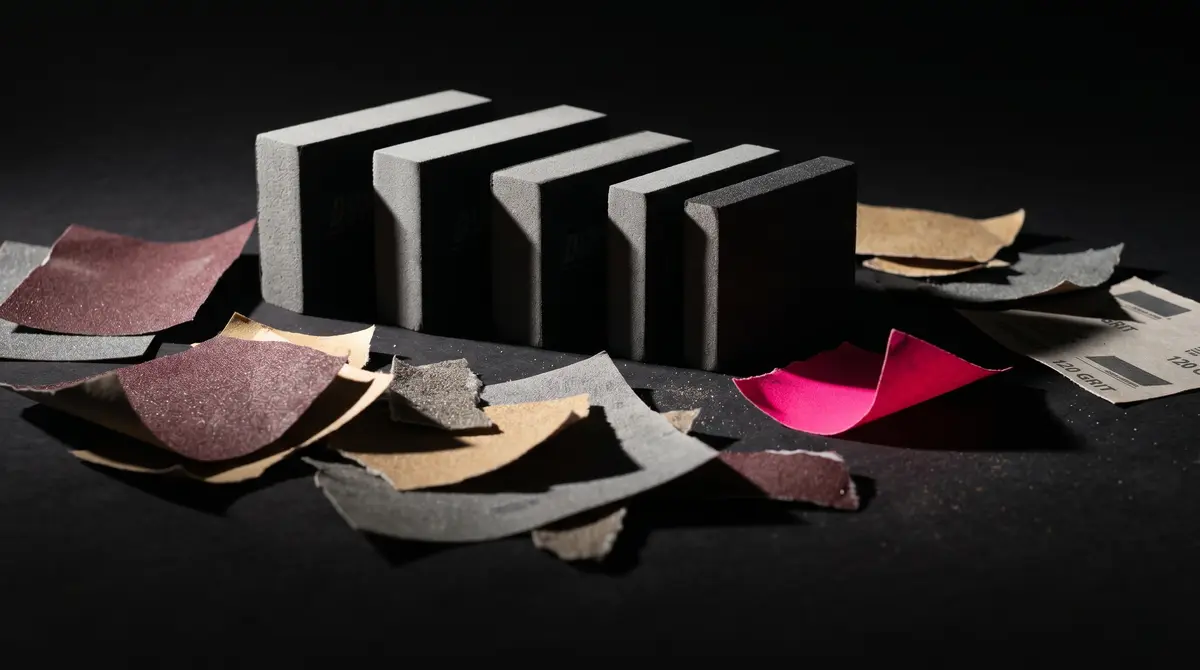
Finnish foam. Flat where you need it, flexible where you don't.
Coarse to clear, medium to close. One block, two stages.
Six-inch format. Finnish-made. Still doesn't load, still doesn't quit.
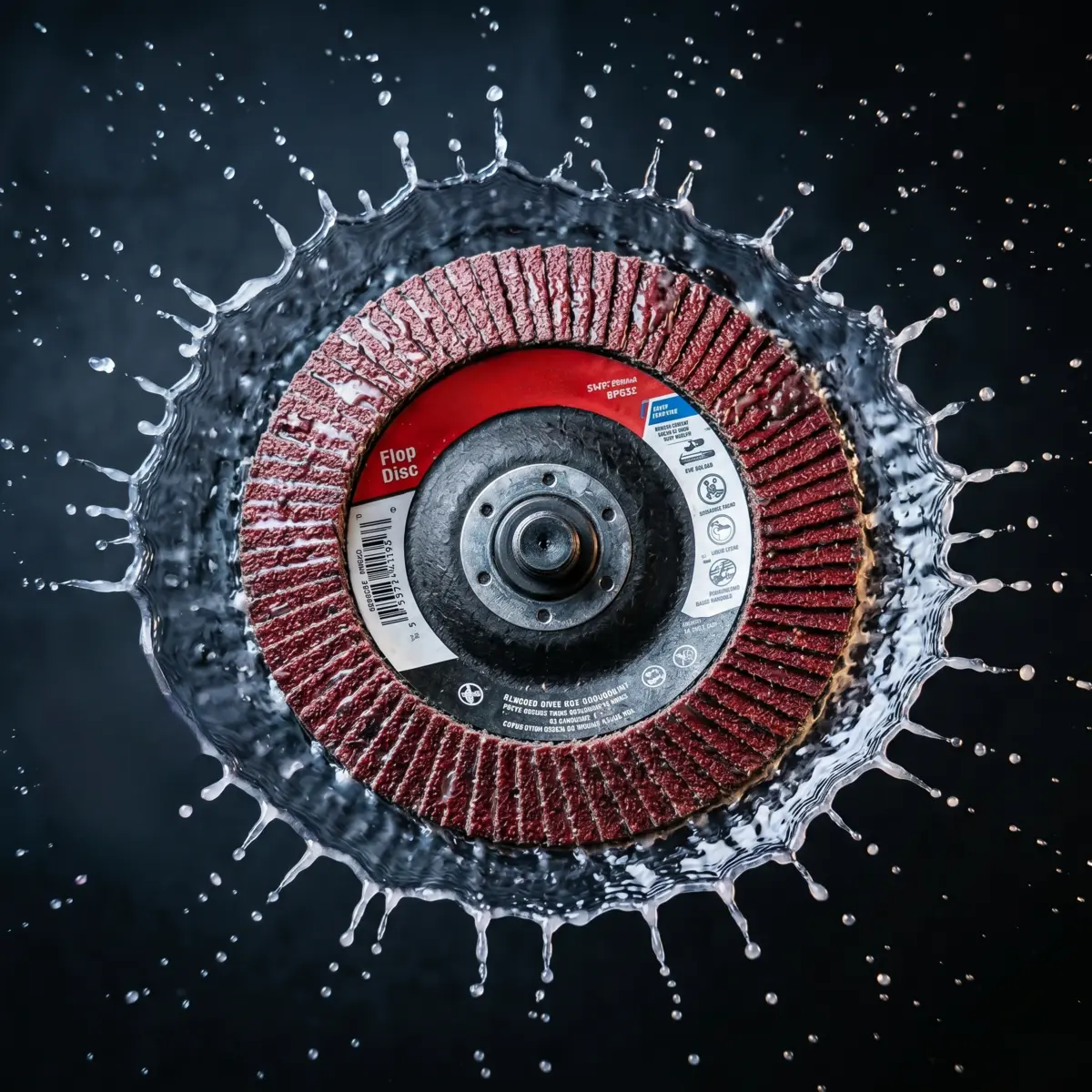
80 at 6 inches. Start coarse. Cover more ground. Never slow down.
Six-inch Hookit. More coverage per pass, same clean result.
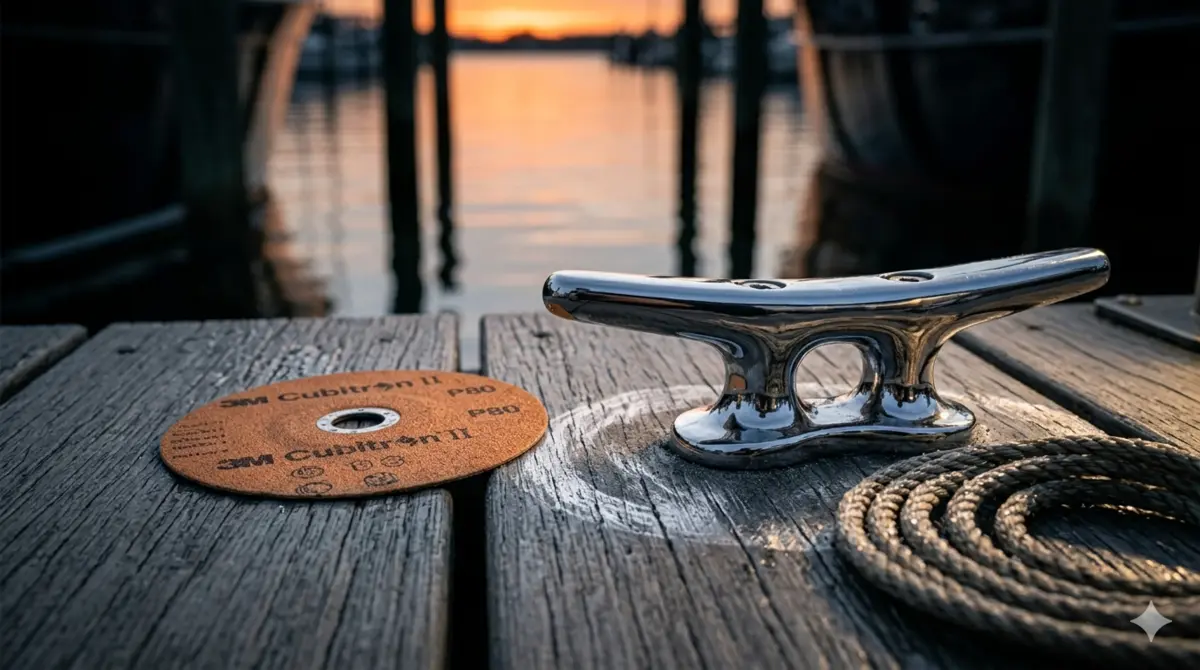
Precision-shaped grain at 6 inches. The math is different.
50 at 80. The quantity that doesn't make you hesitate at the start.
80 is where it begins. 25 discs means it can begin as many times as needed.
Made by the same company as the compound. Knows exactly what it's dealing with.
Festool grain on drywall. The machine finally has paper that keeps up.
Replacements for the pole sander. Five at 80, ready to go again.
40 grit. Finnish-made. Opens what everything else just scratches.
The pass that cleans up after the opening act.
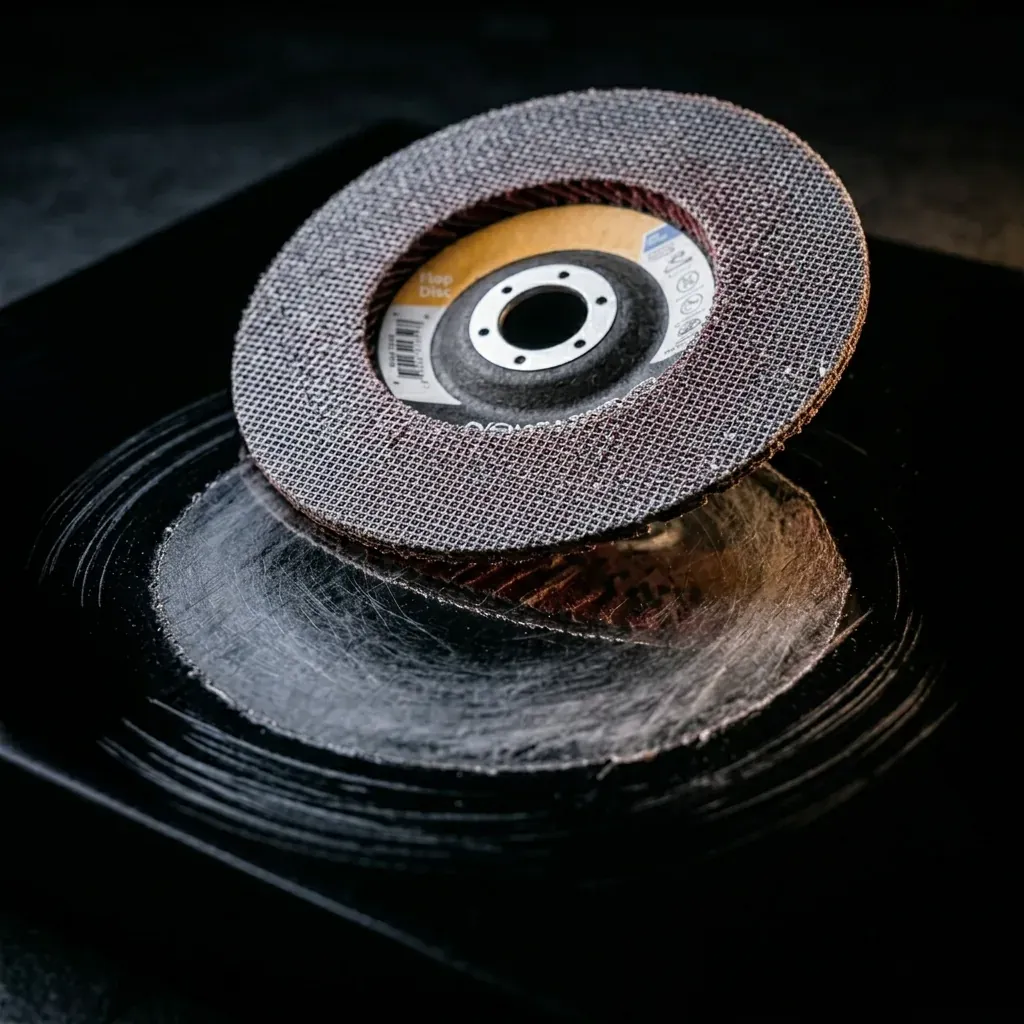
Stearate-coated so it doesn't load. Stays sharp because it has to.
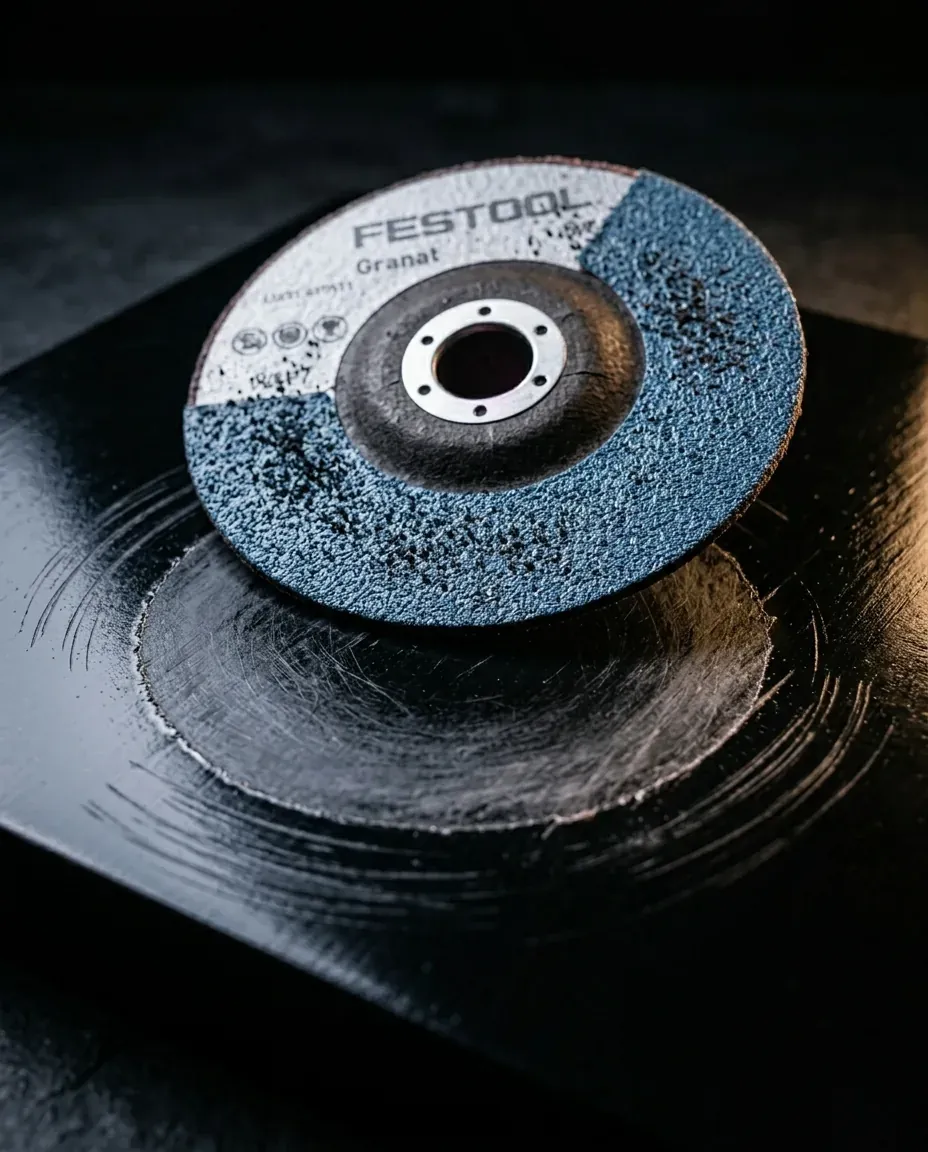
Pyramid grain that sharpens itself. Opens the surface, then steps back.
German geometry at 60. Removes instead of polishing — until you're ready.
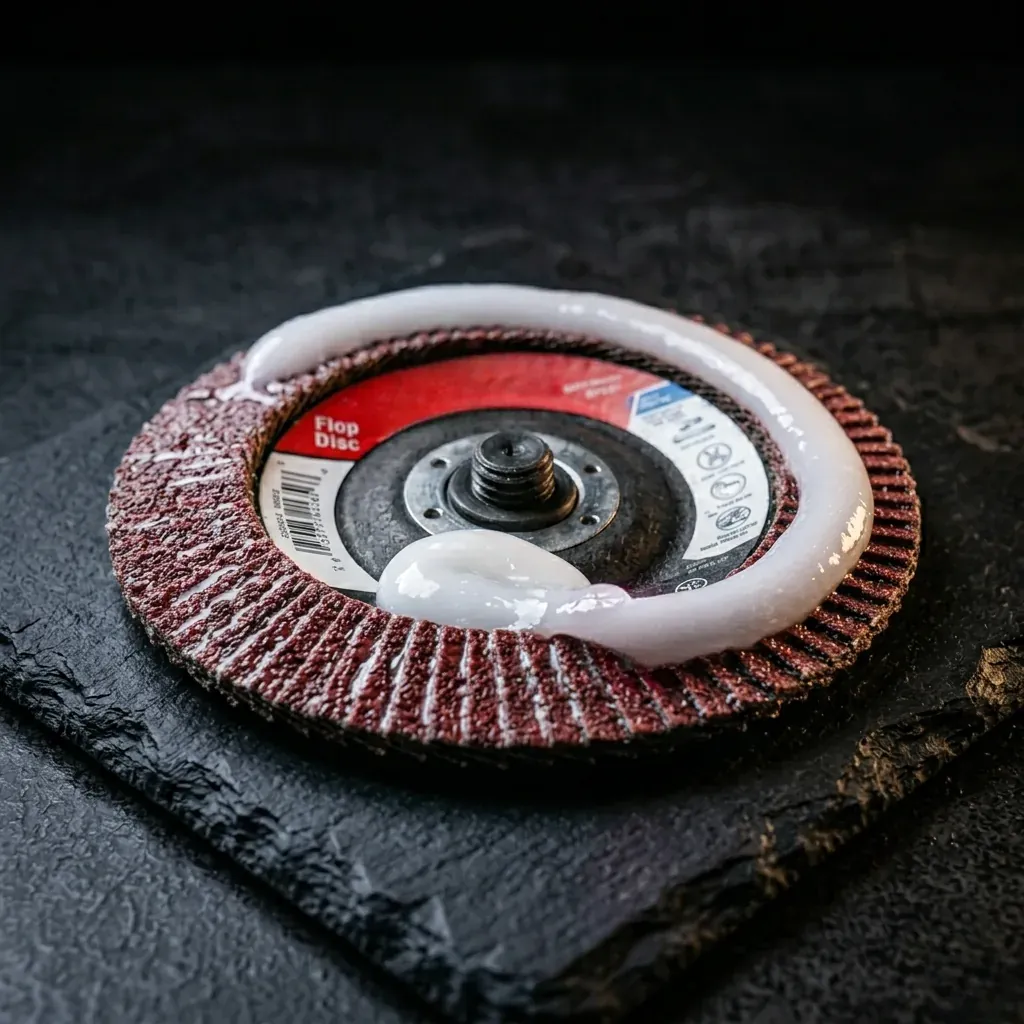
80 on Granat: where precision starts and the surface first takes notice.
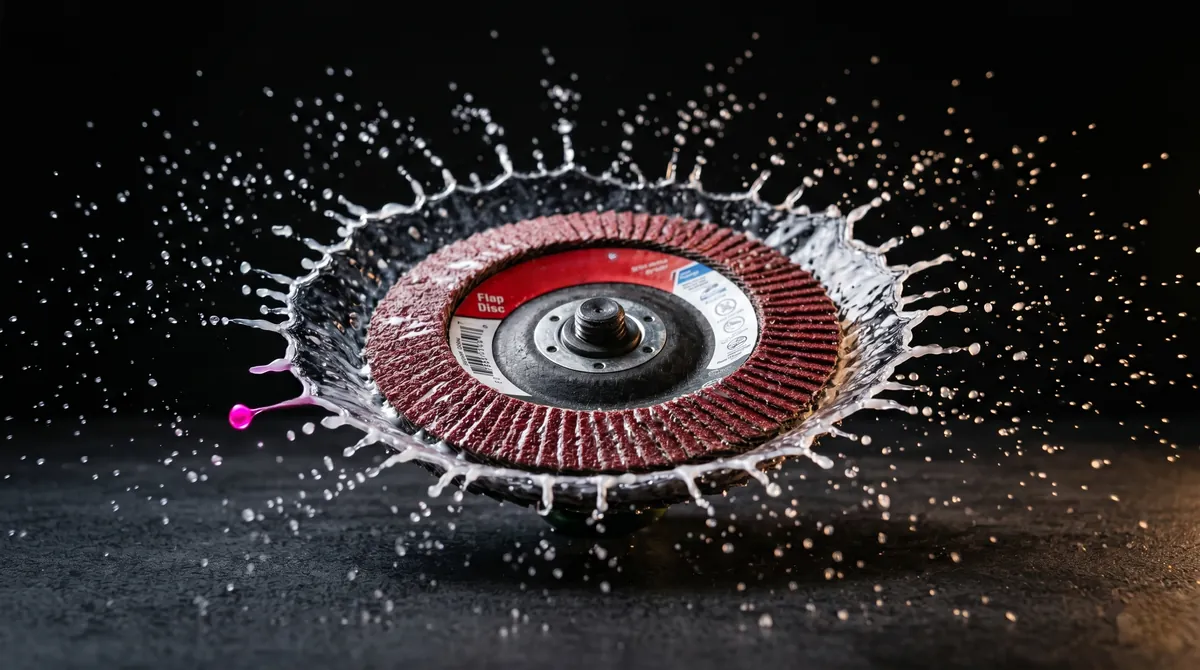
Forty grit. Ceramic. Not here to make friends with the surface.
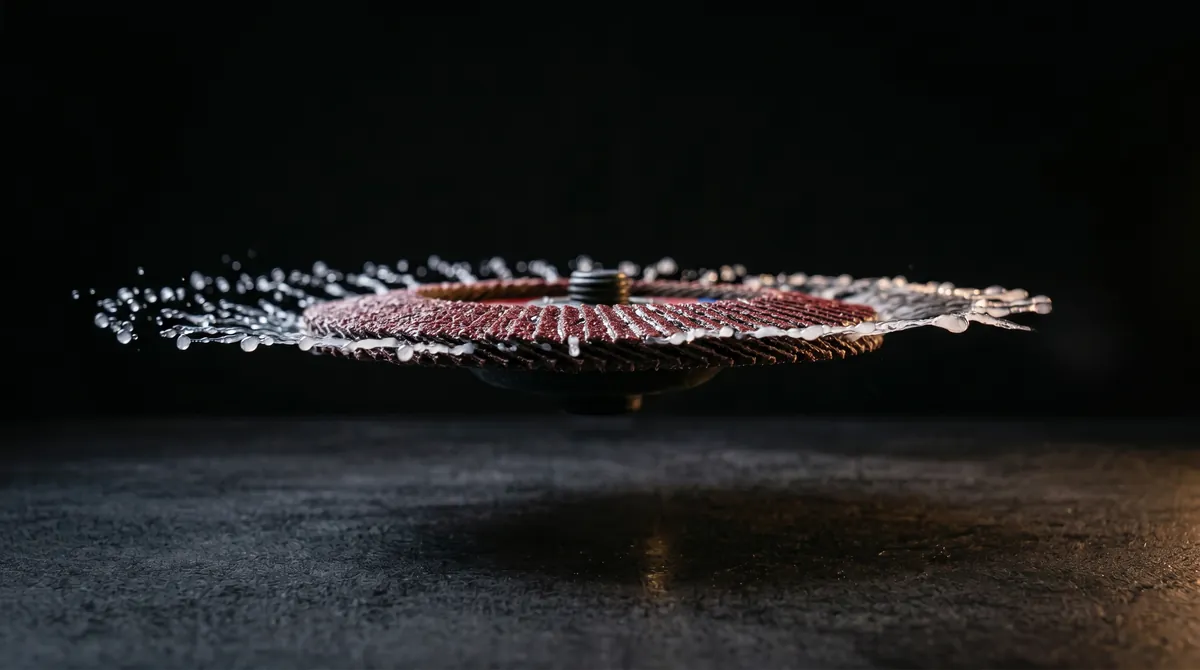
60 grit gets it to where the real work can begin. Every time.
40 grit at 6 inches. More surface covered with each pass.
6 inches at 60. Covers more. Leaves nothing behind.
40 grit Hookit. Changes fast. Cuts faster.
The disc between the opening and the preparation.

Finnish coarseness at 6 inches. Shows large surfaces who runs the session.
Where aggressive gives way to intentional. 60 grit at scale.
80 grit, 6 inches. Finnish restraint at the opening act.
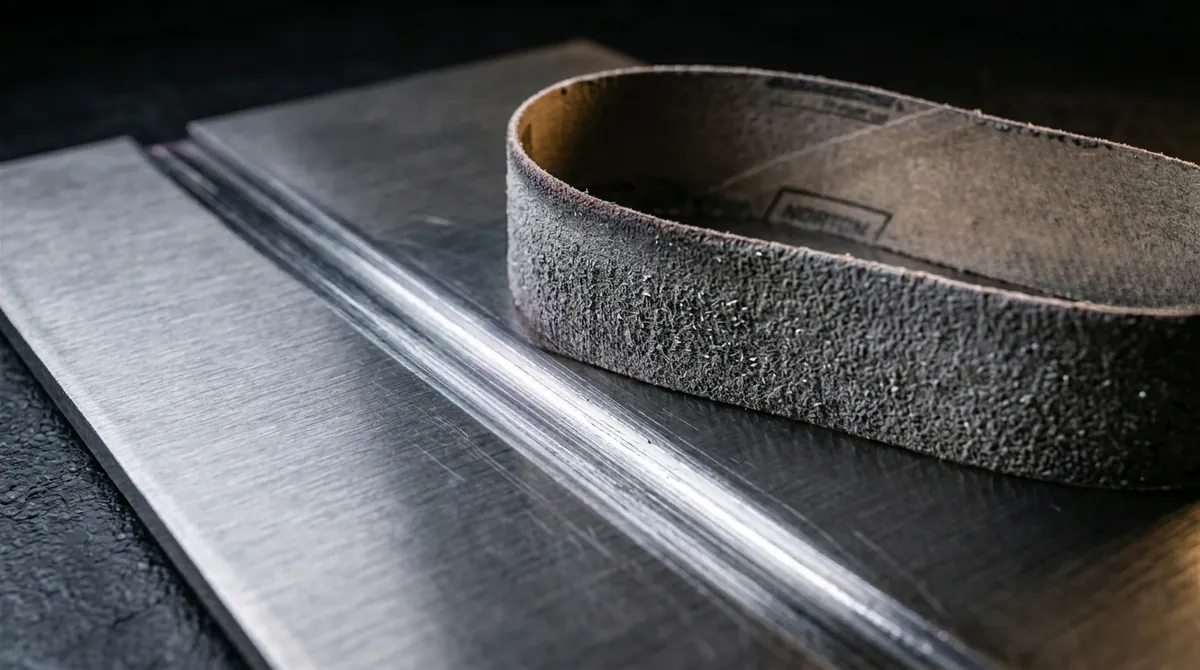
The common size. The assortment that covers every pass.
German-made at a price that makes you replace them when they should be replaced.
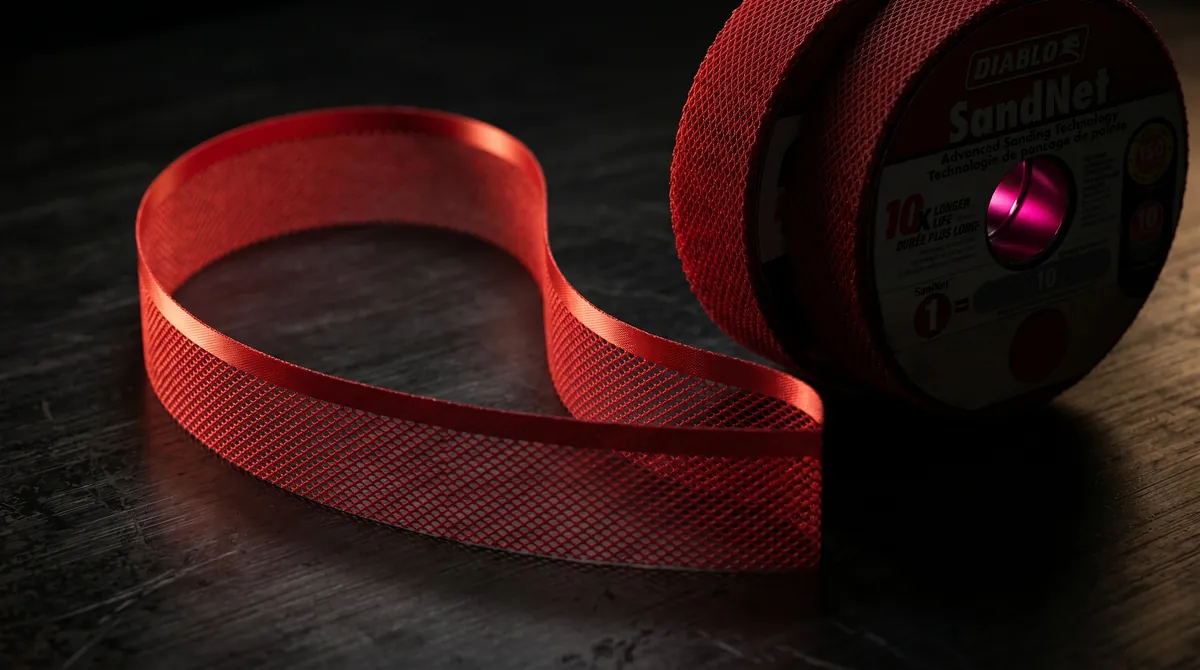
Ceramic Blaze at 3×21. Runs cooler, lasts longer, cuts the whole time.
Diablo ceramic on the belt that fits everyone.
Small format, full progression. For the belt grinder that does the careful work.
The narrow format. Fits where the work is small and the stakes are high.
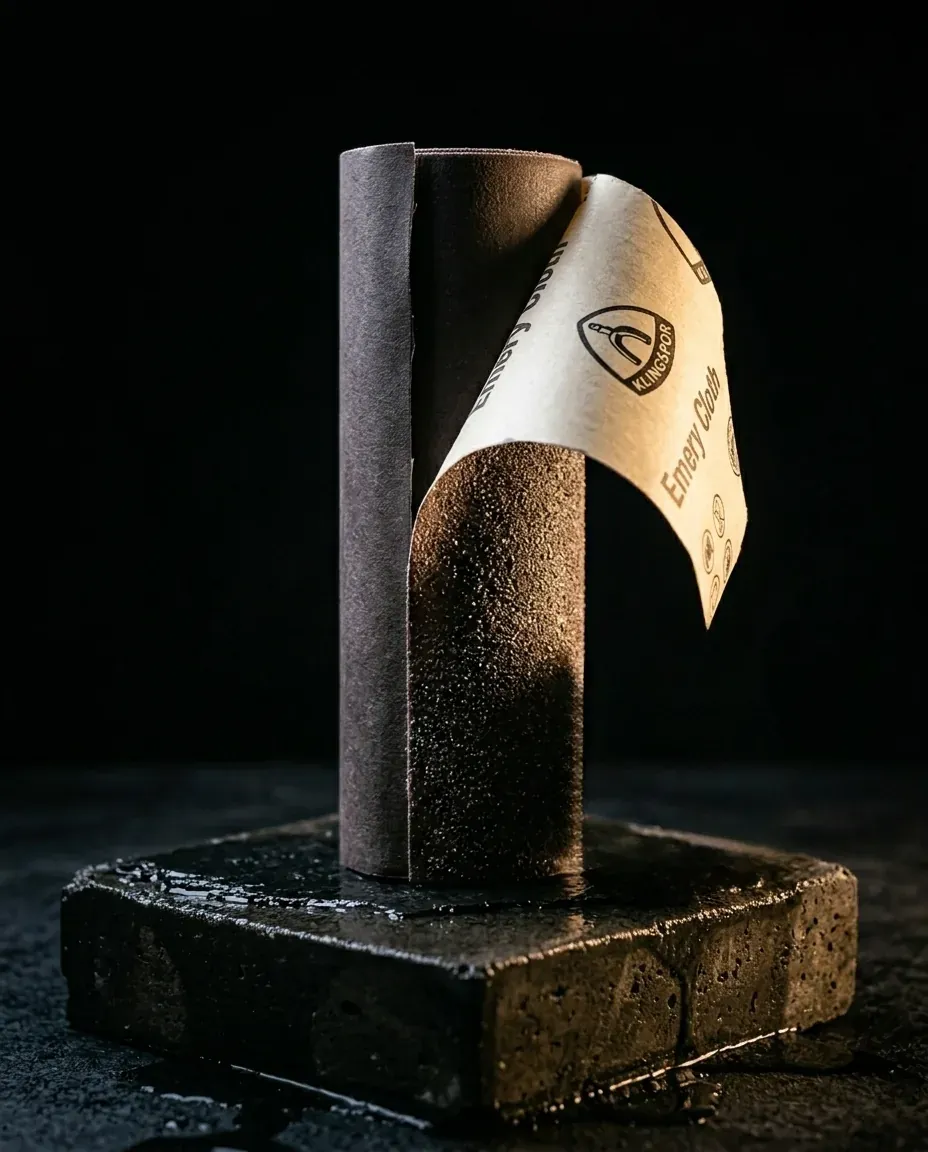
German grain. 2×42. Stays sharp longer than the session needs it to.
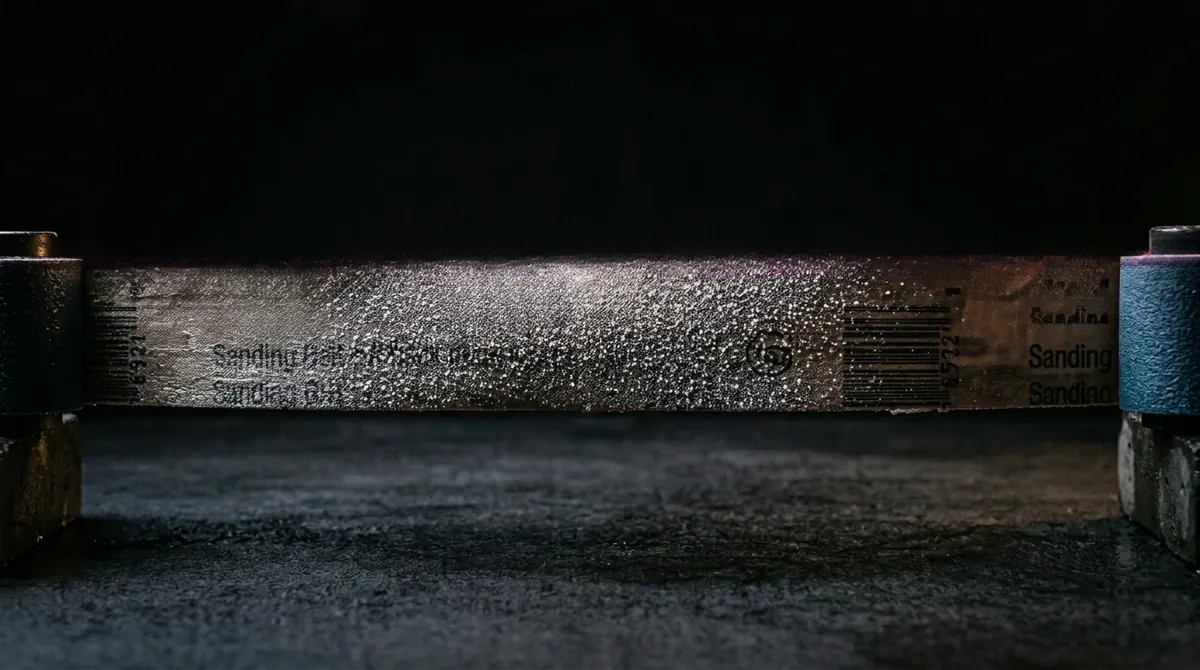
The full range on the 2×42 platform. Everything in one pack.
Four inches of German grain. Built for the session that covers real ground.
Wide format, full range. The belt for the work that covers ground.
Finnish grain on the standard belt size. Consistent from the first pass to the last.
Finnish precision at 1×30. For work that demands the grain be exactly right.
The pass before the finish pass. Opens the mud before anything finer can close it.
Open-coat at 80. Takes down the high spots before the finishing starts.
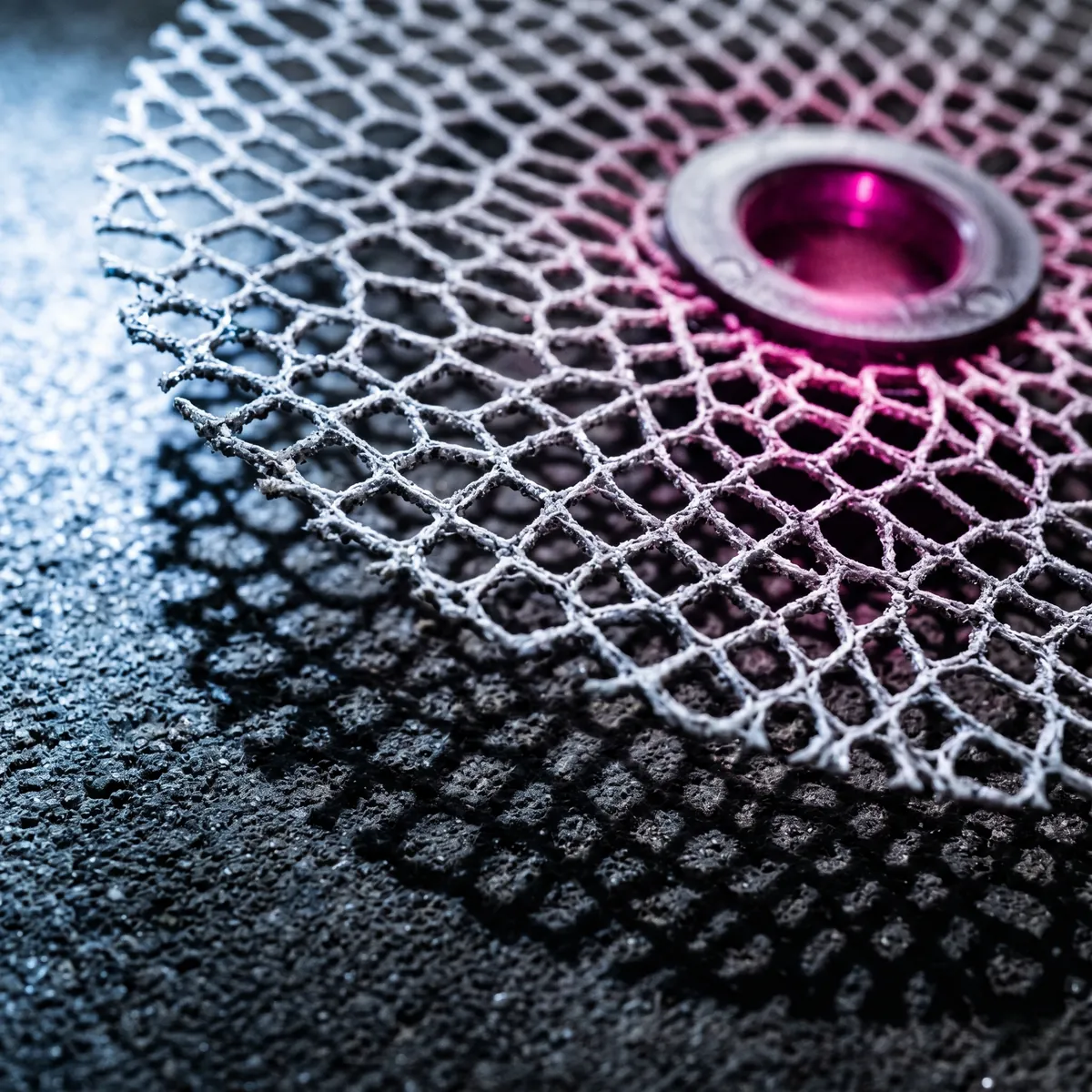
USG screens on USG compound. They know exactly what they're dealing with.
Four sides, one grit. Flat pressure from the hand to the surface.
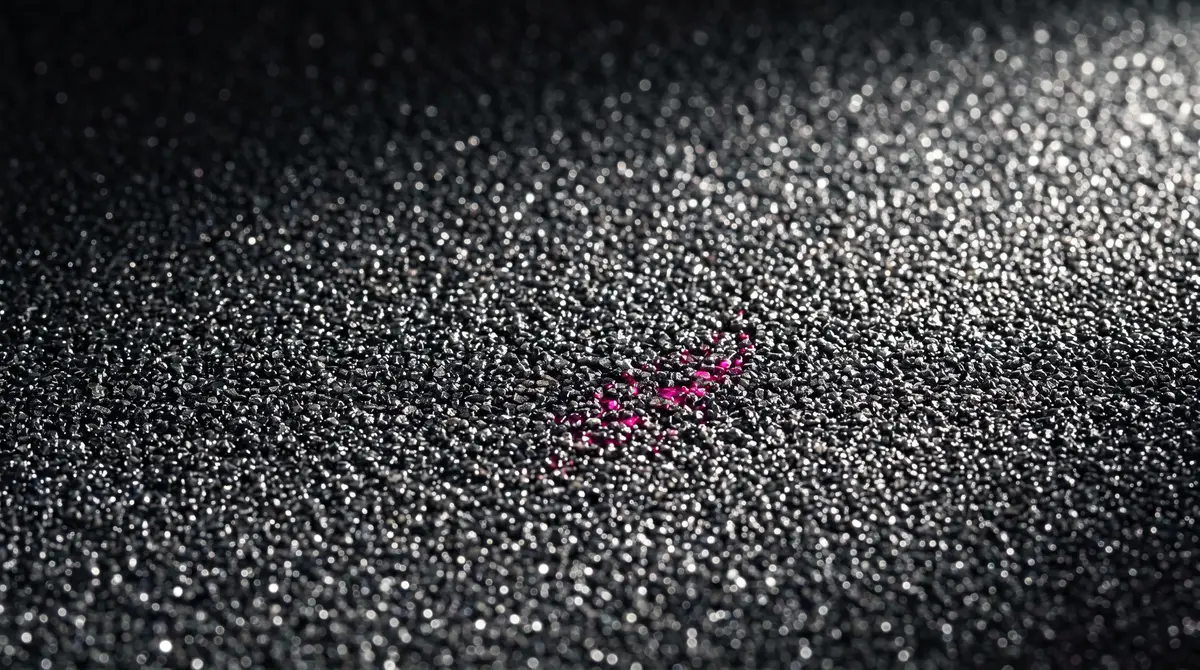
Bends. Follows the curve. Hits the places flat paper never touches.
The pass that decides whether the surface is ready. Granat makes it count.
Mesh that breathes. Finnish grain that does not load. Both in the same disc.
Mesh in sheet form. Hand sanding that does not clog. A different category entirely.
40 grit. Ceramic zirconia. For the metal that is not going to cooperate quietly.
Between the rough pass and the prep pass. The grit that knows what it owes each side.
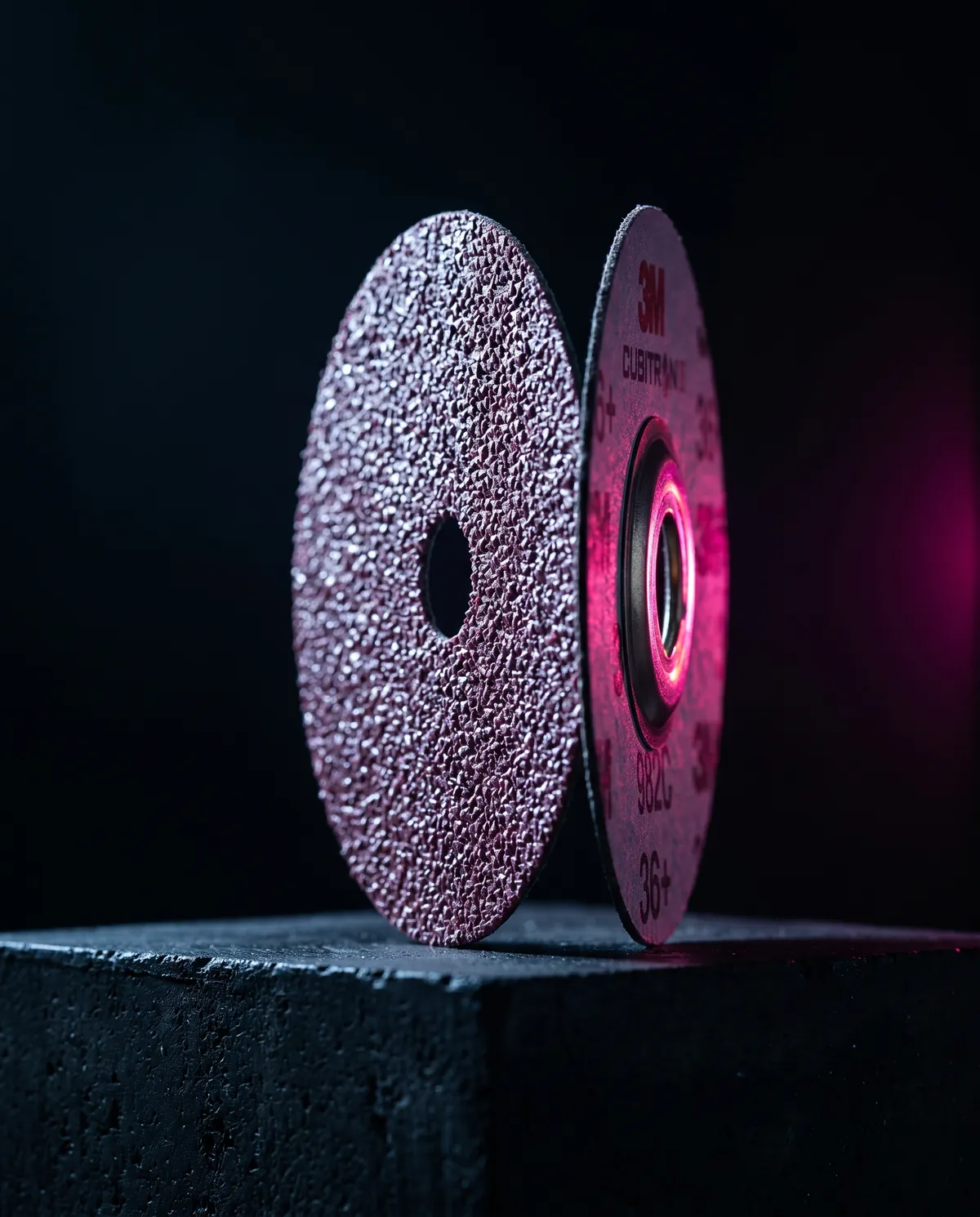
Prep grit for metal going somewhere. Smooth, even, ready for what follows.
The 5-inch at 40: covers more. Moves it faster. Same Blaze grain underneath.
The 5-inch at 60. Where the coarse pass hands off to something more deliberate.
Prep at 5 inches. More coverage, same precision where the coating matters.
Triangular grain at the coarsest grit. Cuts fast and cold. The belt that does not burn.
Precision ceramic at the transition grit. Cooler, longer, more deliberate.
Cubitron II at 80. The prep pass that makes everything after it feel earned.
The 3×24 at the coarsest grit. More length, same precision, designed for the long session.
The 3×24 at 60. Even heat, even cut, consistent from edge to splice.
Standard prep on the 3×24 platform. Cubitron II grain that keeps the surface honest.
The coarse pass on the pole. Takes down what the finishing grits cannot afford to touch.
Head to head
Norton 3X Sheet Sandpaper, 220 Grit (20-pack) vs. 3M Pro Grade Precision Assorted Pack
One grit done right, or five grits done well.
Read the breakdown →
Mirka Gold 5-inch Hook & Loop Disc Assortment vs. Diablo 5-inch ROS Discs, 120 Grit (50-pack)
Finnish precision or American volume.
Read the breakdown →
3M 9×11 40-Grit Sandpaper (5-pack) vs. Norton 3X Sheet Sandpaper, 80 Grit (20-pack)
How rough is the surface, and how much do you want left of it.
Read the breakdown →
3M Pro Grade Precision Assorted Pack vs. Gator Finishing Multi-Grit 9x11 Sandpaper Pack
Both cover the range. One holds up longer.
Read the breakdown →
Questions people ask
60 grit is for aggressive shaping, rust removal, knocking down old finish. This is a cutting stage, not a finish stage. Use it to remove material, not to fake smoothness.
The safe lane is usually 40 -> 60 -> 80. You can stretch that a little on easy material, but large jumps usually leave scratches behind.
On UltraRough, this grit shows up most in discs, belts, and sheets. That reflects where shoppers usually need this cut level in the real world.
Keep moving