The verdict
Where this pick fits.
Open-coat aluminum oxide so the joint compound doesn't clog mid-stroke. The grit that levels mud fast without biting into the paper face.
Anti-clog paper for the dustiest job in the house. Does its one thing and shuts up.
Quick take
- Best for: drywall mud, joint compound, ceiling seams
- Format: Sheets
- Tier: Budget tier
- Grit lane: 60, 80, 100, 120
The full read
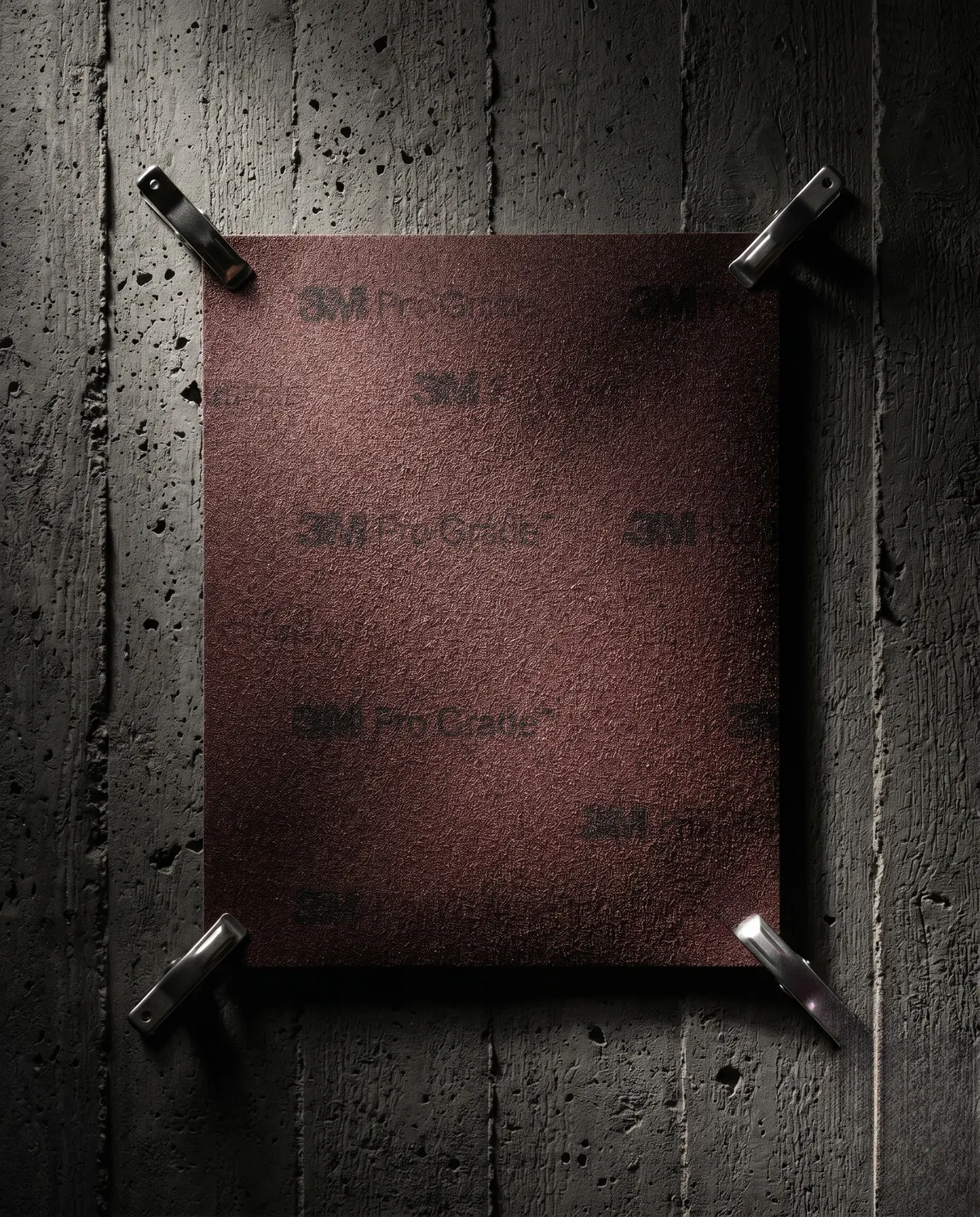
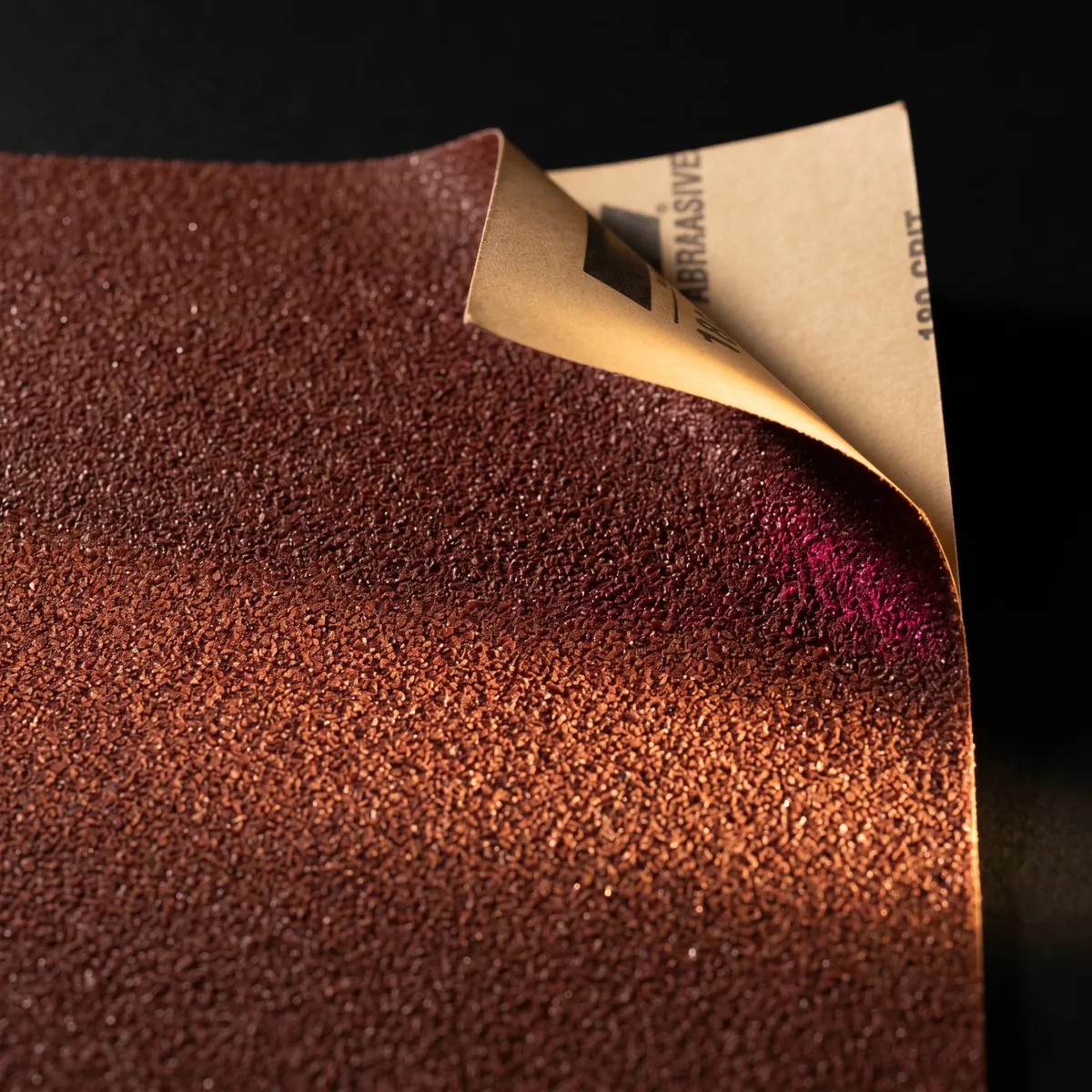
Drywall mud is the enemy of ordinary sandpaper: it's soft, it's sticky, and it clogs a closed-coat sheet solid in a few strokes. 3M's answer is open-coat aluminum oxide at 100 grit, where the grain is spaced out deliberately so the joint compound has somewhere to go instead of packing into the paper and dying. It stays sharp because the design forces it to, and it levels seams and knocks down ridges fast without gumming up the face.
This is a budget sheet for the dustiest, least glamorous job in the house, and it wears the label proudly. Twenty of them means you keep going when one loads up rather than fighting a clogged sheet across a whole ceiling. Nobody enjoys sanding mud, but this is the paper that does its one narrow thing well and doesn't make a project of it: level the seams, feather the edges, done.
Use it when
The fit is obvious.
- · Reach for the 3M Drywall Sheets 100 Grit when the job is drywall mud, joint compound, and ceiling seams: that is the fight it was built for.
- · Aluminum oxide is the reliable one: cheap, tough, no surprises and no complaints. It will outlast your patience before it outlasts the job.
- · This is the working middle: enough bite to matter, refined enough to leave the job somewhere worth continuing.
Skip it when
The job asks for something else.
- · Leave it if you are actually solving a different stage of the climb than the one this pick was chosen for.
- · Leave it if longevity and cut speed matter more than the price: cheap abrasive is cheap for reasons you feel on the tenth sheet.
- · Leave it on the shelf if you are flattening big panels all day: a random orbital keeps pressure even where your hand drifts.
Best for
Where it earns its keep.
- · drywall mud
- · joint compound
- · ceiling seams
Keep moving
Useful next clicks.
Buyer questions
The practical questions.
What is the 3M Drywall Sheets 100 Grit actually good at?
Anti-clog paper for the dustiest job in the house. Does its one thing and shuts up. Open-coat aluminum oxide so the joint compound doesn't clog mid-stroke. The grit that levels mud fast without biting into the paper face. In short: it earns its keep on drywall mud, joint compound, and ceiling seams.
Is 100 the right grit lane for this?
It sits closest to 60 grit, 80 grit, 100 grit, and 120 grit. This is a cutting stage, not a finish stage. Use it to remove material, not to fake smoothness.
What should you put it up against before buying?
Put it against other sheets in the same price band doing the same job: that is where speed, finish, and cost-per-use sort themselves out.
Rough start. Smooth finish. The gap between is where the work happens.
Next step
Go deeper.
House rule
UltraRough earns a small commission on Amazon links. Your price is identical. Our take doesn't soften for anyone.