Sheets
Pro
Grit · 80
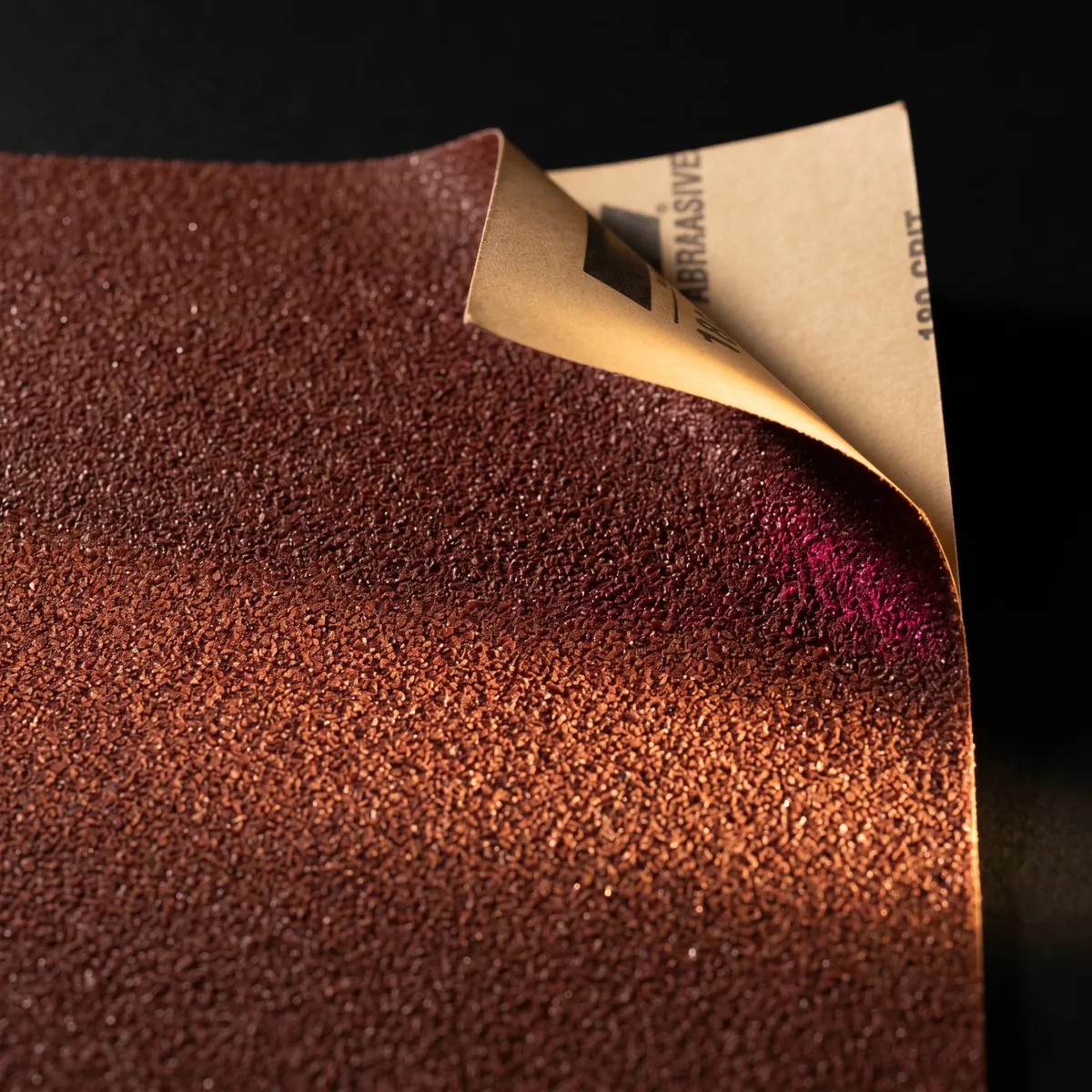
Norton 3X Sheet Sandpaper, 80 Grit (20-pack)
When 100-grit has been disappointing you and you're done being patient.
Sheets
This lineup leans hardest into clear coat leveling, joint compound, drywall finishing, pole sanding. Start with the form, then narrow by grit and price tier.
Reviewed
46
Current picks in this form factor.
Common grit lanes
5
Relevant grit pages currently connected to this form.
Head to head
4
Comparison pages featuring this format right now.
Choose this form when
Skip this form when
Starting points
When 100-grit has been disappointing you and you're done being patient.
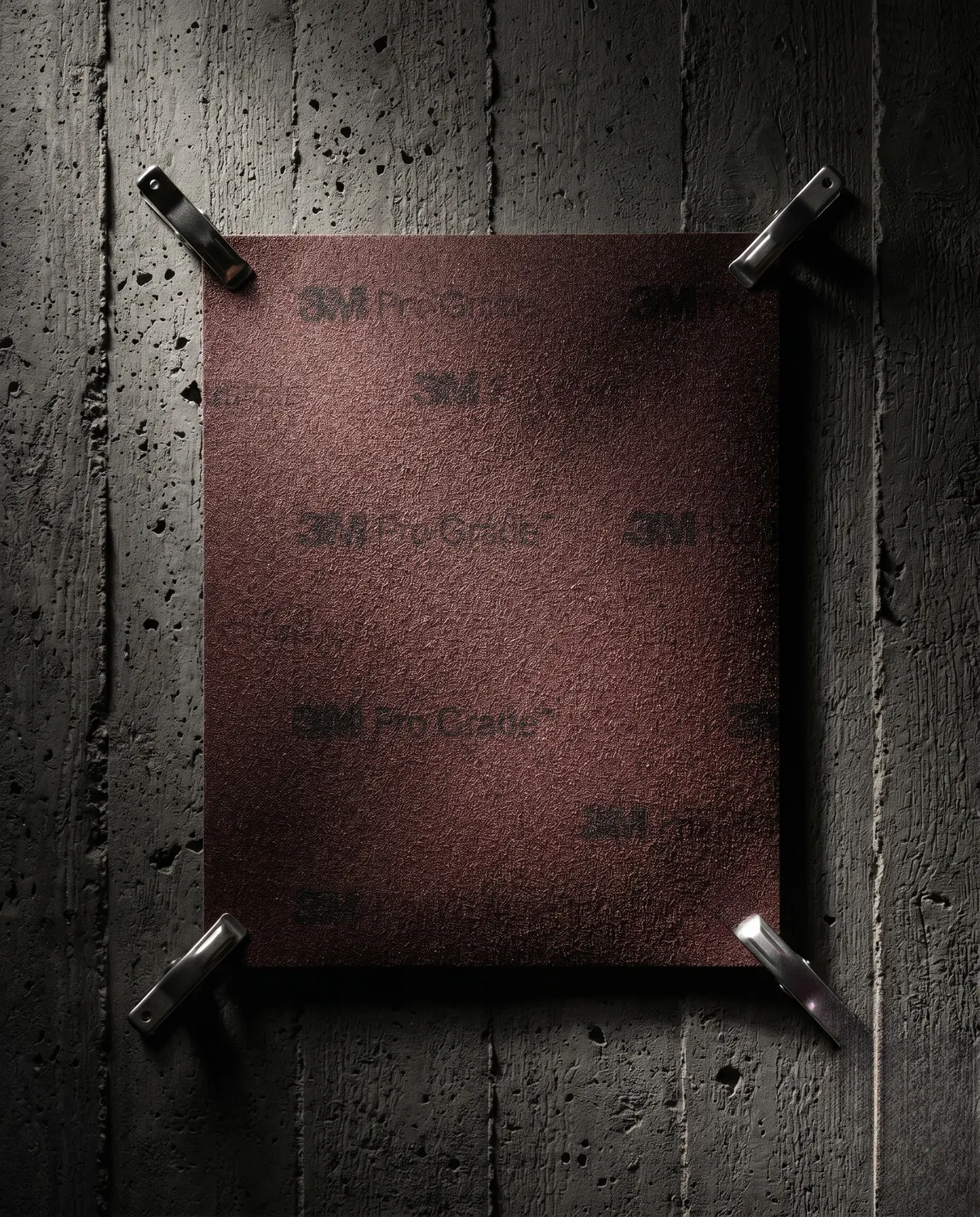
Five grits. One box. Everything you need to finish what you started.
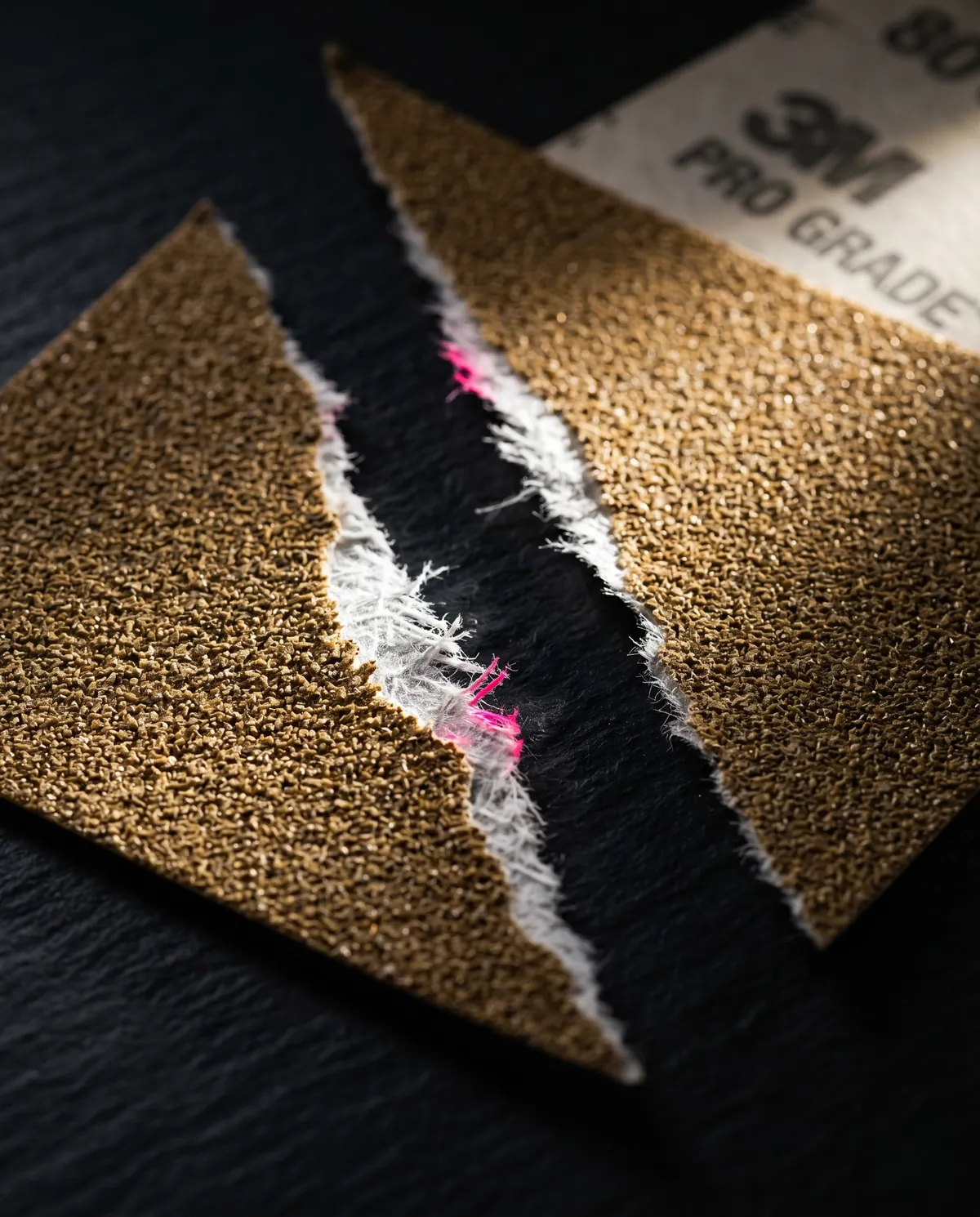
Twenty-four sheets. Find out which grit you can't stay away from.
Five grits. One box. Everything you need to finish what you started.
Five grits, one box. Enough range to take something rough all the way to finished without reaching for anything else.
When 100-grit has been disappointing you and you're done being patient.
Heat-treated aluminum oxide in an open, stearate-dressed coat: it digs in on the first stroke and doesn't pack up halfway through. For when the surface is fighting you and politeness stopped working.
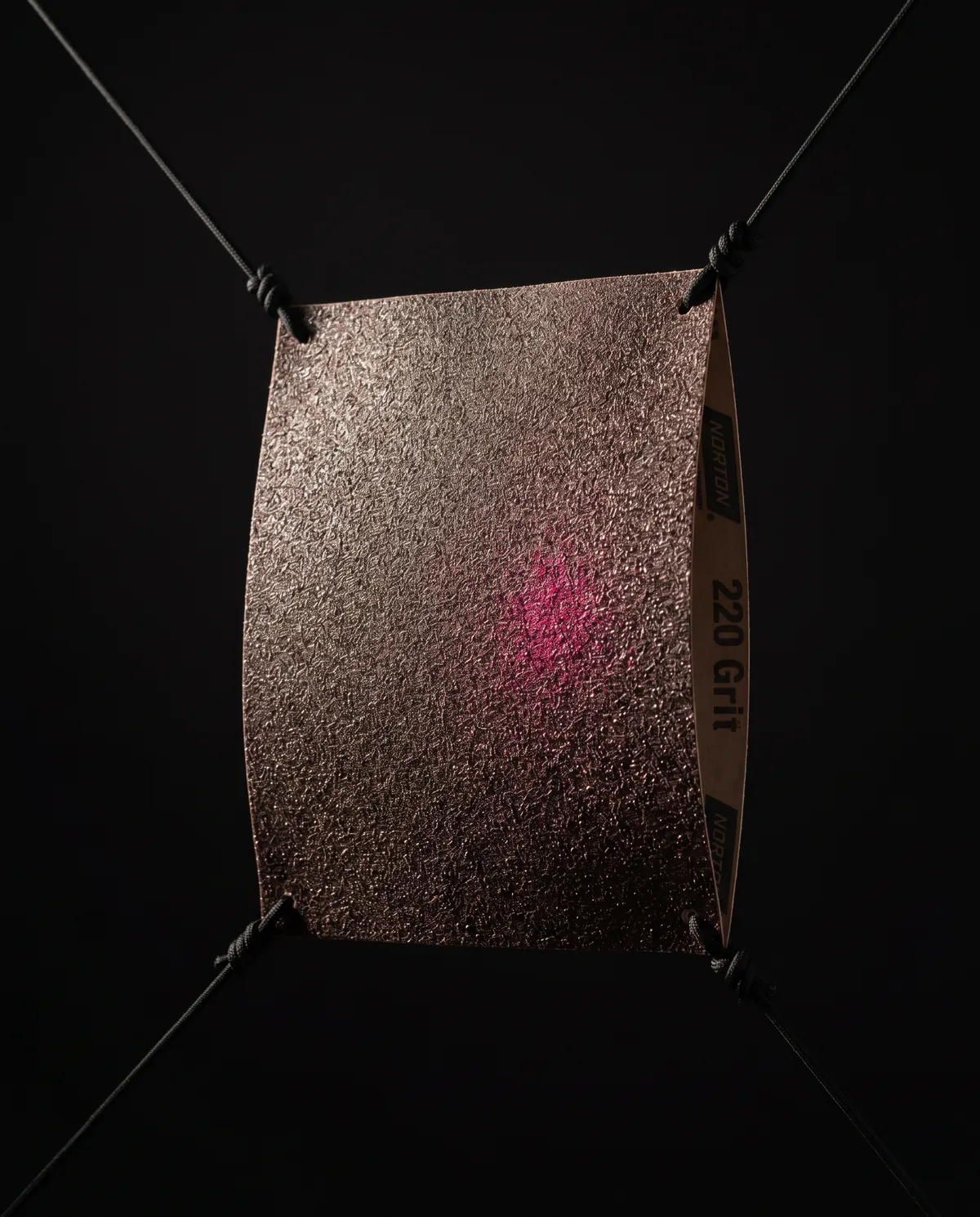
Where rough gives way to something worth running your fingers across.
220 is where rough gives way to something worth touching. Norton's 3X makes hardwood ask for whatever comes next.

Goes on wet, works slow, leaves glass. The kind of finish people reach out and touch.
Goes on wet. Works slow. Comes off leaving glass. The kind of finish that makes people reach out and touch without asking permission.

3000. The last step before the surface starts showing off on its own.
Keep it lubricated, work it slow, and it'll leave you staring at your own reflection. The last grit before compound takes over.
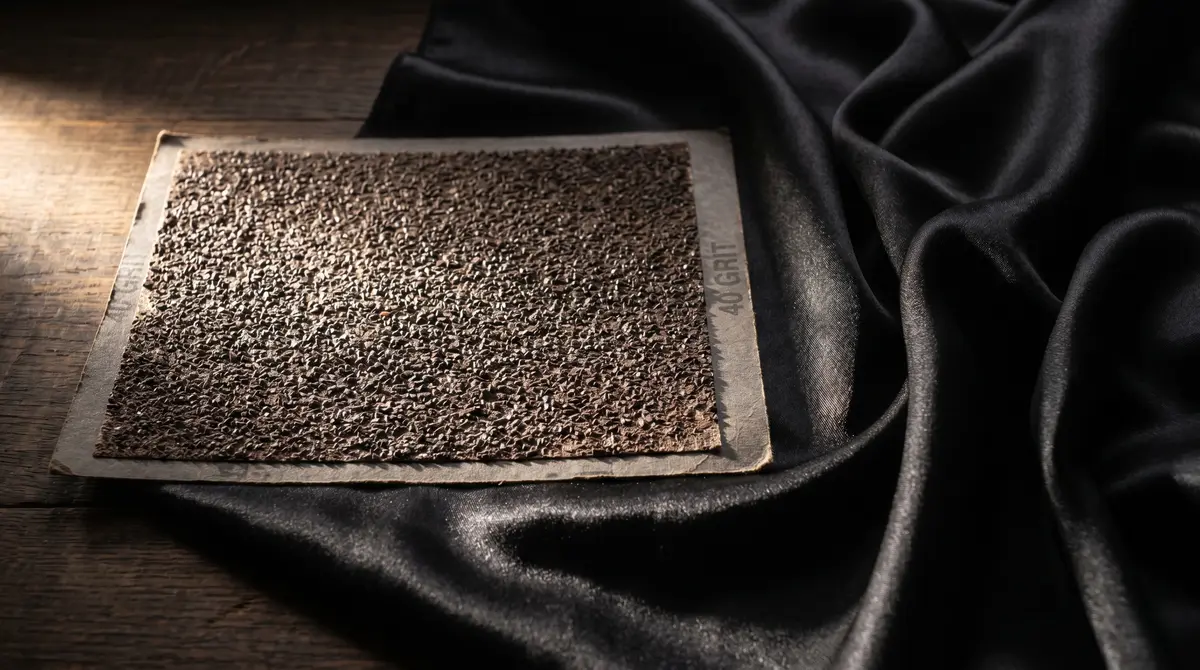
Comes in at 40 and leaves nothing to argue about.
Aluminum oxide on a stiff backing. 40-grit tears through old paint, rough lumber, and anything else that still thinks it's in charge. Aggressive from the first stroke and doesn't apologize for it.
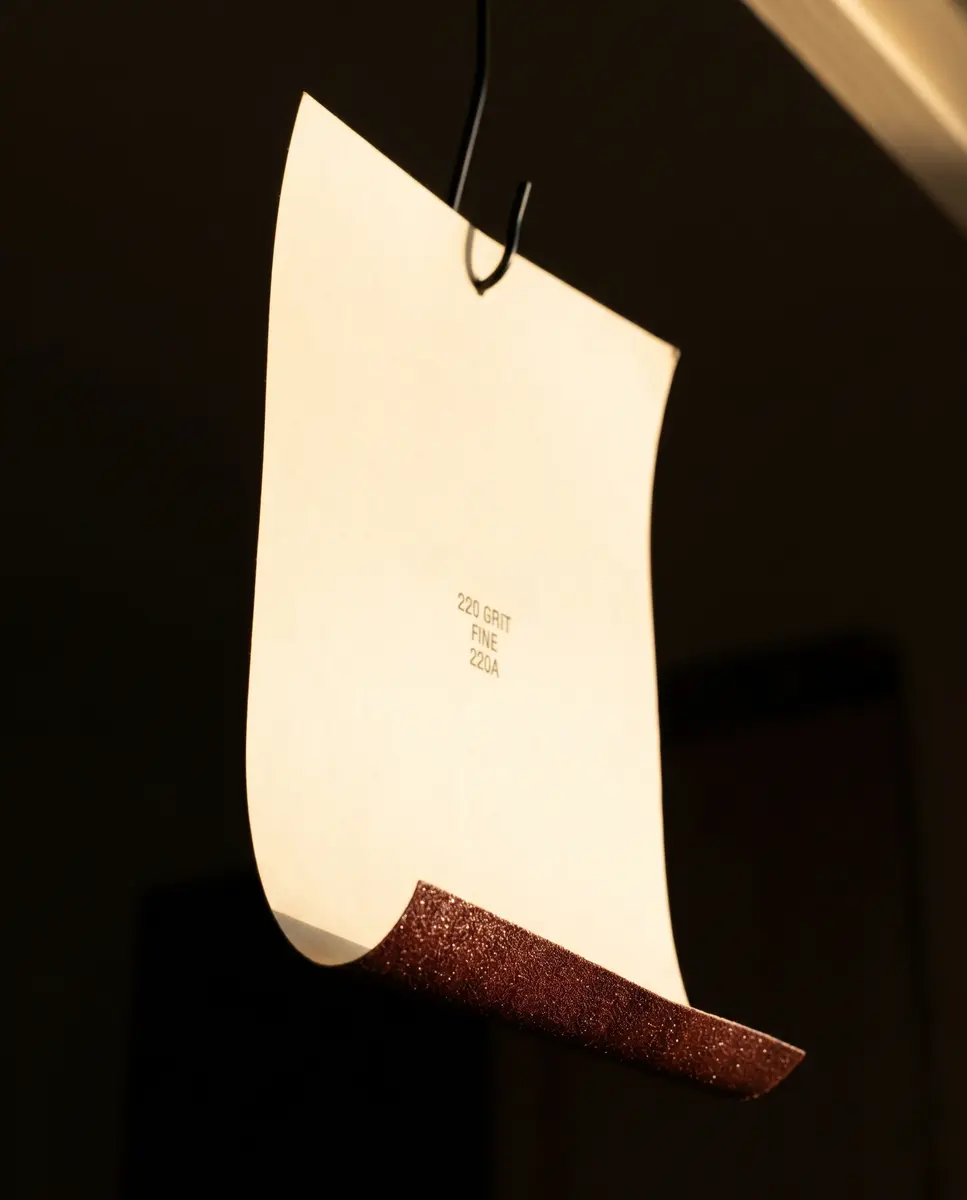
Fifty sheets at 220. No reason to ever rush the finish.
A 50-pack of 220 means you never shortchange the step. Indasa's European-spec aluminum oxide cuts clean and stays consistent. Change when it tells you to, not before, not after.
Twenty-four sheets. Find out which grit you can't stay away from.
Twenty-four sheets from 60 to 320. The most affordable way to find out which grit you actually reach for when the job gets serious.
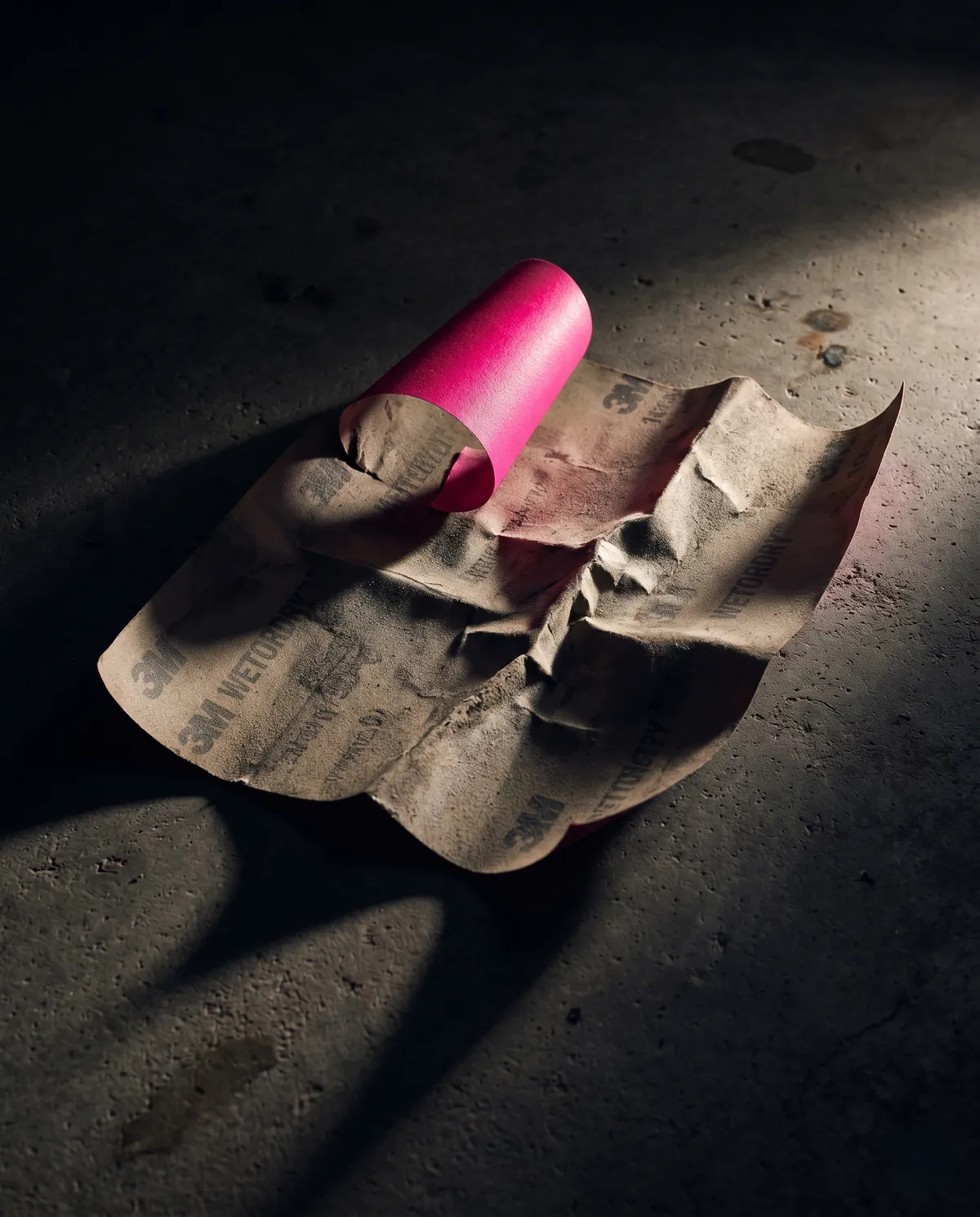
The last scuff before the finish takes over.
Gray runs ~600-grit equivalent. Last scuff before finish on wood or pre-polish on metal.
120. The grit that decides whether the job goes well or badly.
120 is where the rough work ends and the real work begins. Norton's heat-treated 3X grain stays sharp through the whole sheet and doesn't ask you to slow down.
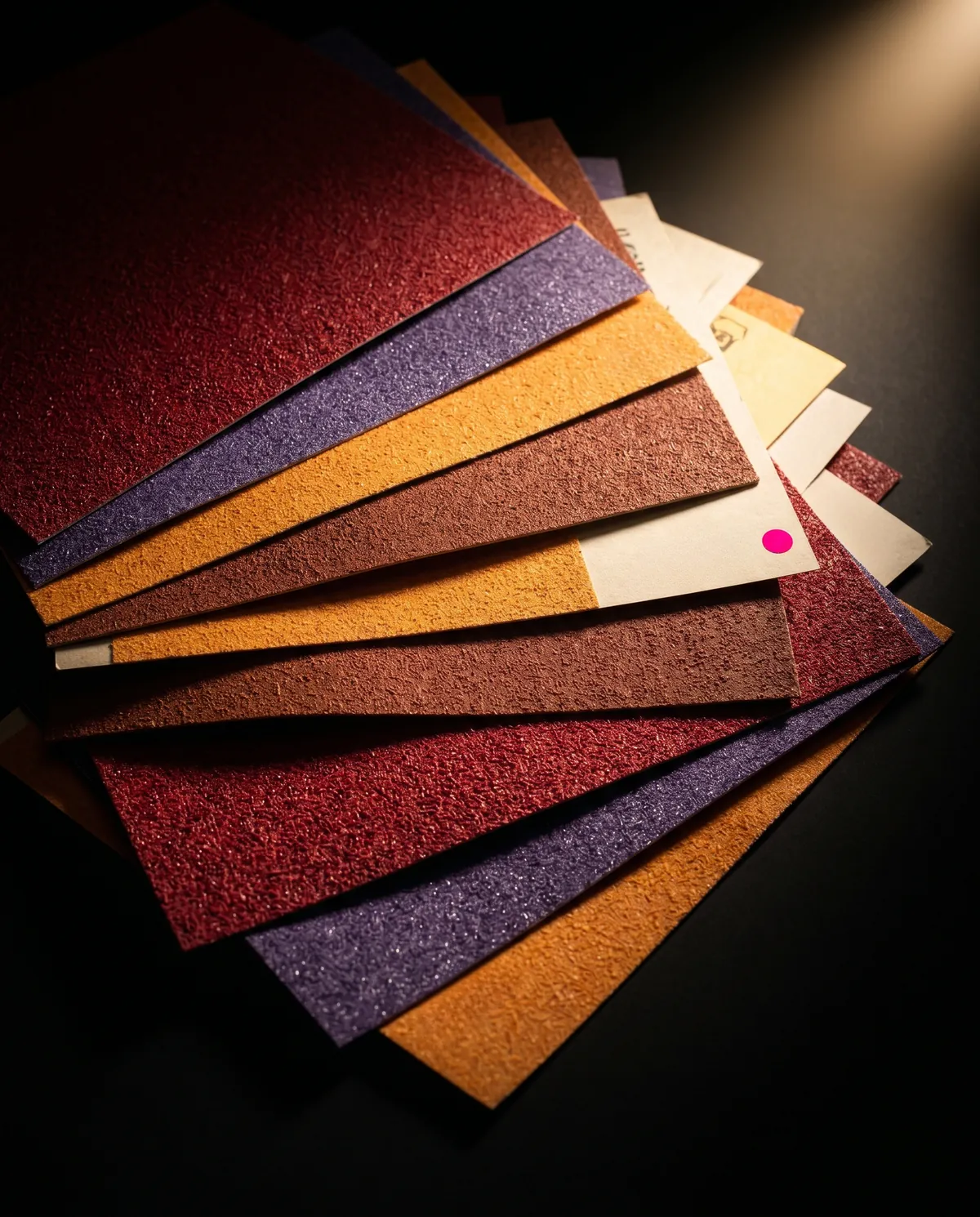
The step the surface needs before it's ready to accept color.
180 sits right before pre-stain, right after the work stops being coarse. A 25-pack means you change it when it stops cutting, not when you run out.

400 wet. Where primer stops being primer and starts being a base.
400 wet is where primer leveling happens. Slow strokes, plenty of lubricant, and the surface starts to look like it knows where it's going.
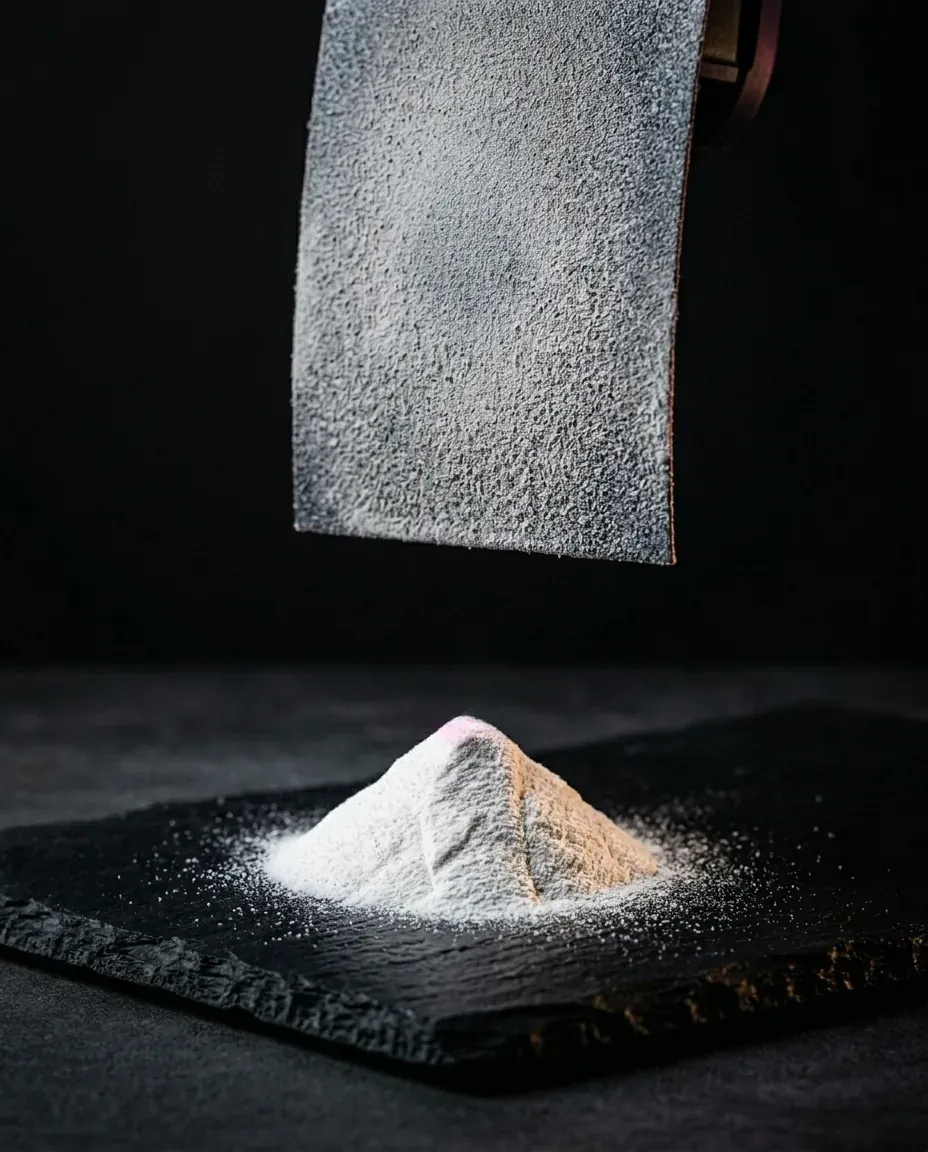
Open-coat for joint compound. It stays sharp because it has to.
Open-coat aluminum oxide so the joint compound doesn't clog mid-stroke. The grit that levels mud fast without biting into the paper face.
800. Where coarse becomes a memory and smooth starts to show.
Goes between the coarse work and the mirror finish. Wet or dry, where the surface starts to feel like itself.
1000. The grit where patience becomes visible.
After the 800. Getting serious about finish. Silicon carbide stays consistent wet or dry.
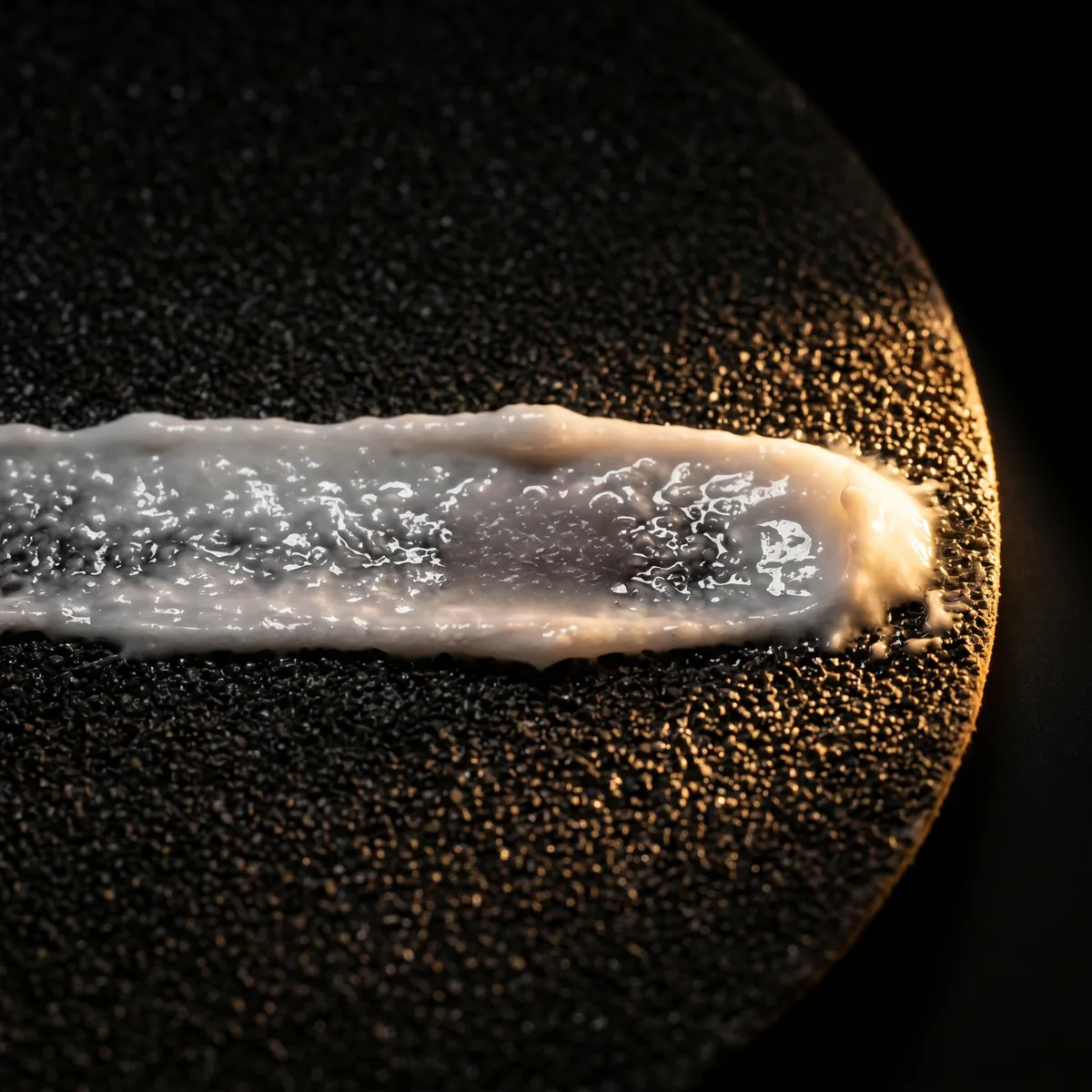
1500. The last step before the compound does the talking.
Right before compound. The grit that removes the last scratch marks and prepares the surface to show off.
Mesh instead of sheet. Compound goes through, not on.
Open mesh so joint compound falls through instead of clogging the surface. Lasts twice as long as sheet because it never loads.
Five screens. Never clogs. Cuts mud fast.
Five screens, open mesh, aggressive enough for the first pass and gentle enough for the final knockdown.
1000 wet. The surface is starting to get the message.
1000 wet from the brand that invented waterproof sandpaper. Long strokes, steady pressure, and the surface starts getting serious about itself.
2000 wet. The step the surface was waiting for.
Norton silicon carbide at 2000. Slow work that leaves the surface looking like it has an opinion about what touches it next.
German-made at 1500. Fifty sheets so you never run short at the worst moment.
German silicon carbide on waterproof kraft backing. Fifty sheets at 1500 means you never shortchange the pre-compound step.
European film backing at 1200. Wet or dry, runs clean all the way through.
European-spec silicon carbide on film backing. 1200 runs clean wet or dry and stays consistent all the way through the sheet.
Made by the same company as the compound. Knows exactly what it's dealing with.
From the company that makes the compound you're sanding. Open mesh so the joint compound falls through instead of loading the screen.
Levels mud. Finishes joints. Leaves the paper face alone.
Open-coat for compound, closed enough to finish tape joints clean. Levels mud without destroying the paper face beneath it.
Replacements for the pole sander. Five at 80, ready to go again.
Replacement screens for the pole sander that already did the first job. Five at 80 takes the heavy lifting off before you step down to the finish grit.
Meguiar's at 1500. One step closer to what the clear coat was meant to look like.
1500 grit from the brand that makes the polish you're chasing toward. Unigrit silicon carbide for the wet sanding pass that takes out the orange peel before the compound finishes it.
The pass that hands off cleanly to the compound.
2000 grit strips the haze from 1500 and leaves a surface the compound can actually work with. The Meguiar's system stays consistent end to end.
The last pass before the gloss is just gloss.
3000 grit leaves a surface the finishing polish can handle unassisted. Where the wet-sanding sequence ends and the shine begins to form.
1500, wet. Takes out the texture before the compound takes over.
Silicon carbide at 1500 from a brand that understands where this pass sits in the sequence. Tackles orange peel and wet sands without loading between strokes.
Budget entry at 2000. Doesn't skip the step, just lowers the barrier.
Budget-accessible 2000-grit silicon carbide for the wet sanding pass before compound. The affordable entry into a sequence that ends with mirror finish.
600 wet-or-dry. The first step in the sequence that ends with something worth looking at.
600-grit silicon carbide from 3M. The wet-or-dry sheet for initial clear coat leveling, primer sanding, and the pass between body work and refinement.
Norton at 1500. Runs wet, stays together, keeps working.
Norton silicon carbide at 1500 runs wet without disintegrating and keeps its cut through a full panel. The companion to the Norton system from coarse through final gloss.
German grain at 2000. Wet, controlled, exactly what the compound needs to follow.
German silicon carbide at 2000 for the wet sanding sequence. Loads slow, stays waterproof, and gives you the surface the compound needs to close.
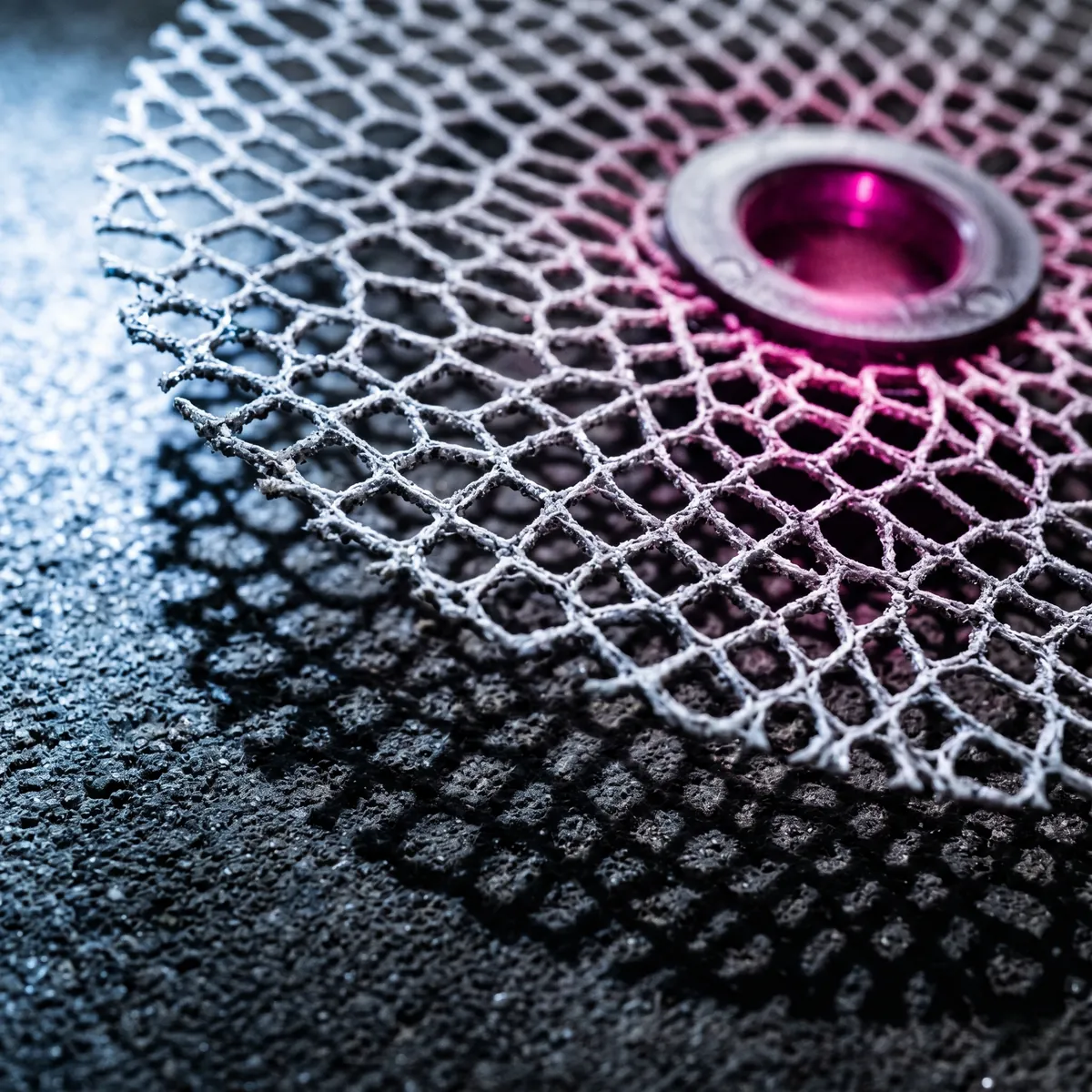
What the trade reaches for. Open mesh so the compound falls through.
Open-weave mesh screens that keep joint compound from clogging mid-stroke. Goldblatt is a drywall trade brand — this is what finishers reach for on the day-rate.
Replacement screens. The sander keeps working. The room keeps moving.
Hyde replacement screens for standard pole sanders: the quick-change pad that keeps the sander working while you move through the room.
The pass before the finish pass. Opens the mud before anything finer can close it.
Open-coat 80 grit for the heavy drywall pass: thick mud, high spots, the second coat before it sets properly. Cuts fast before the 100 or 120 takes the surface home.
Open-coat at 80. Takes down the high spots before the finishing starts.
Norton open-coat aluminum oxide at 80 for the rough drywall pass. Cuts through high spots and mud buildup without loading between strokes.
USG screens on USG compound. They know exactly what they're dealing with.
USG open-mesh screens at the aggressive 80 grit: for moving the mud on the first pass before it needs anything finer. From the company whose compound is probably still on the wall.

Mesh in sheet form. Hand sanding that does not clog. A different category entirely.
Full-sheet mesh abrasive for hand sanding, block work, and any application where conventional paper loads and dies. 80 grit ABRANET in sheet form for the cases where a machine is not the answer.
120-grit mesh in a sheet. The reach of hand sanding, the life of ABRANET.
The sheet-format ABRANET at the most-used prep grit. For sanding blocks, profile work, and anywhere the disc format cannot reach but conventional paper loads before the job is done.
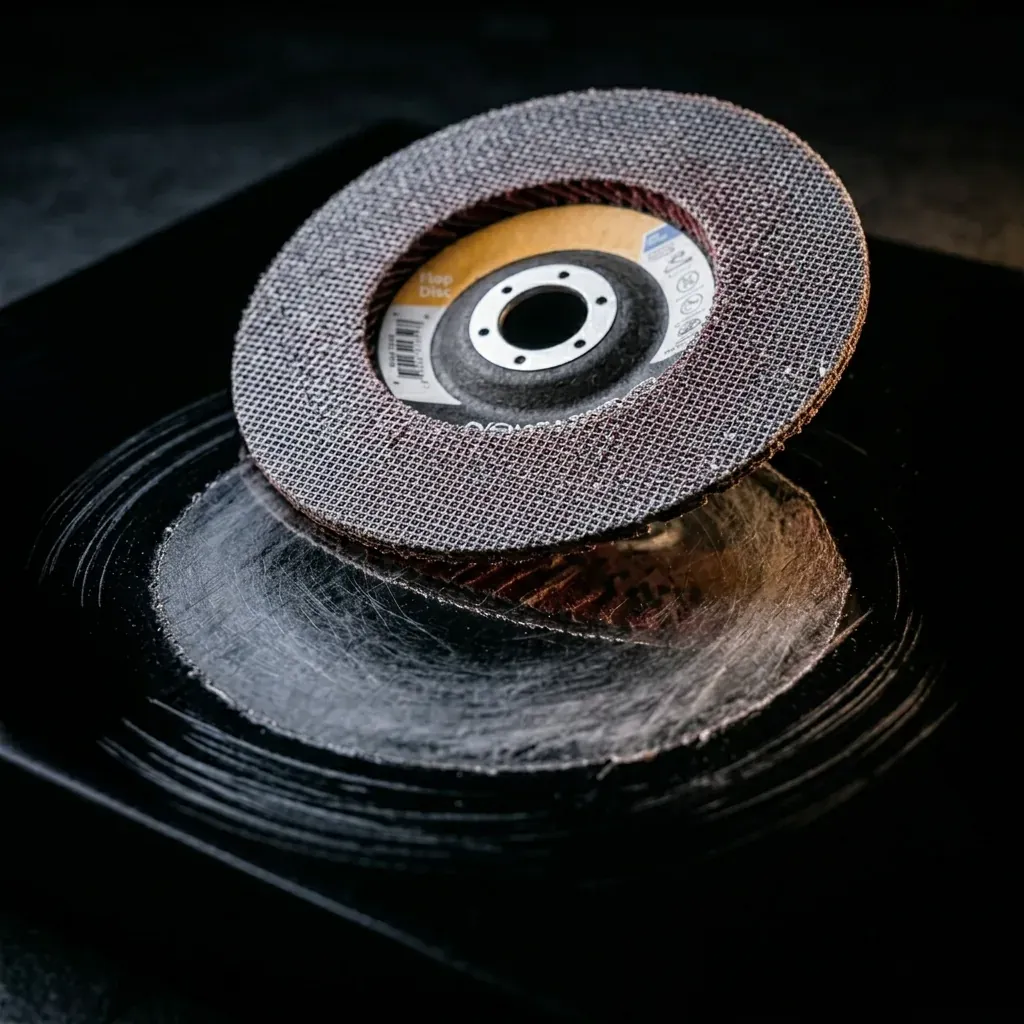
Pre-finish mesh, hand format. The surface stays clean all the way through.
Pre-finish mesh in sheet format for hand blocks and profile sanding. ABRANET 150 completes the setup for the finish coat without leaving residue packed into the surface.
Fine mesh, hand format. Between coats and loaded with none of the evidence.
Fine-grit mesh in sheet form: the hand-sanding step between coats that keeps the dust from becoming the problem. ABRANET at 220 loads slower than every conventional sheet at this grit.
The paint-edge pass. Sets the transition between old and new before primer decides everything.
The opening wet-sand grit for featheredging paint edges and sanding spot putty before primer. 3M silicon carbide at 220 for the bodywork pass that sets the transition between old finish and new.
320 between primer and color. Levels what the primer raised. Leaves no texture for the topcoat to inherit.
Imperial-grade silicon carbide at 320 for the auto-body pass between primer and topcoat. The wet-or-dry sheet for knocking down primer high spots and surface texture before the color coat sees it.
Fine primer sanding. The panel is ready before the color arrives.
400-grit Imperial silicon carbide for sanding primer and light body work before basecoat. The extra-fine wet-or-dry sheet for panels that need to be close before the color even touches them.
Waterproof at 400. Body shop prep that does not fall apart before the job is done.
Silicon carbide on a waterproof backing for the pre-basecoat wet sanding sequence. Indasa holds its cut through water without delaminating — the body shop favorite at the grit where paint prep gets serious.
Head to head
Norton 3X Sheet Sandpaper, 220 Grit (20-pack) vs. 3M Pro Grade Precision Assorted Pack
One grit done right, or five grits done well.
Read the comparison →
3M Wetordry, 3000 Grit vs. 3M Trizact P3000 Hookit Disc
Same grit. Very different conversation.
Read the comparison →
3M 9×11 40-Grit Sandpaper (5-pack) vs. Norton 3X Sheet Sandpaper, 80 Grit (20-pack)
How rough is the surface, and how much do you want left of it.
Read the comparison →
3M Pro Grade Precision Assorted Pack vs. Gator Finishing Multi-Grit 9x11 Sandpaper Pack
Both cover the range. One holds up longer.
Read the comparison →
Buyer questions
Reach for sheets when the work is edges, corners, trim, and one-off repairs: the cheap, honest way to sand by hand.
Sheets on UltraRough show up most often around clear coat leveling, joint compound, drywall finishing, and pole sanding. That is where this form earns its place.
Start with 40 grit, 60 grit, 80 grit, and 100 grit. Those are the numbers this form most often overlaps with in the current catalog.
Keep moving