The verdict
Where this pick fits.
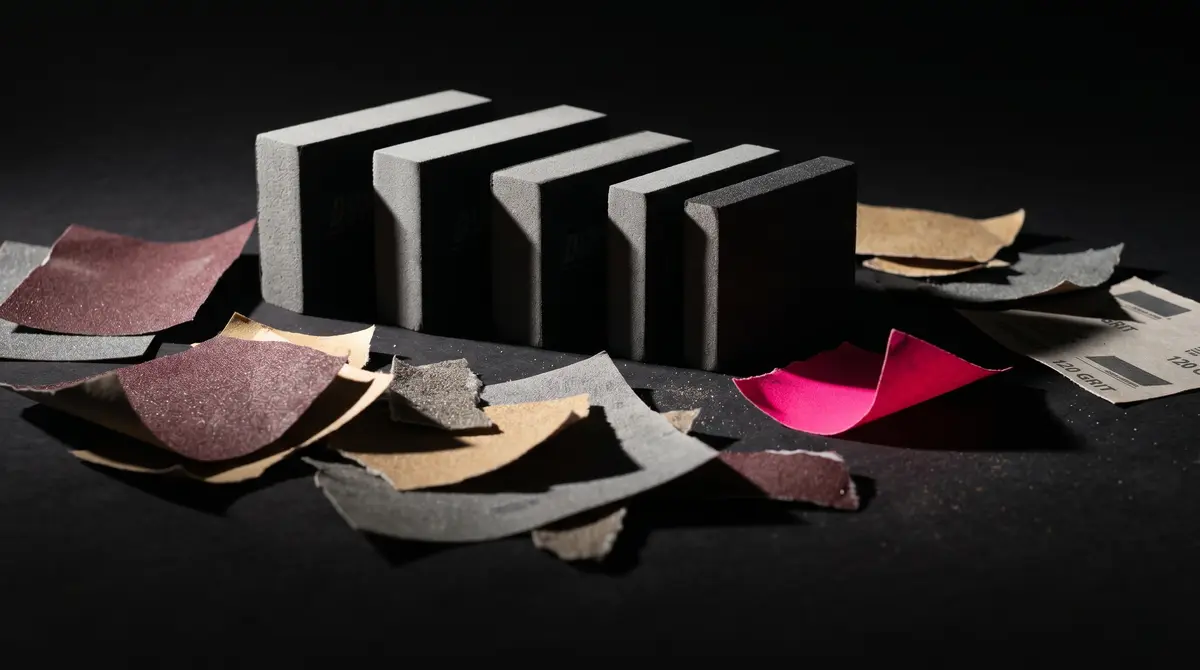
Hook-and-loop pole pads at the coarse drywall grit for attacking high spots and heavy mud on the first pass. Goldblatt pads fit the standard pole sander and take the work that requires the most abrasion before the finishing grits can begin.
The coarse pass on the pole. Takes down what the finishing grits cannot afford to touch.
Quick take
- Best for: drywall high spots, heavy mud removal, pole sander first pass
- Format: Sponges
- Tier: Budget tier
- Grit lane: 40, 60, 80, 100, 120
Use it when
The fit is obvious.
- · Reach for the Goldblatt Pole Pads 80 Grit when the job is drywall high spots, heavy mud removal, and pole sander first pass: that is the fight it was built for.
- · Aluminum oxide is the reliable one: cheap, tough, no surprises and no complaints. It will outlast your patience before it outlasts the job.
- · This is a cutting grit, not a finishing one. It removes material and the surface’s attitude: it does not make anything pretty.
Skip it when
The job asks for something else.
- · Leave it if the surface is already close to finish-ready. This grit will chew through good work just to prove a point.
- · Leave it if longevity and cut speed matter more than the price: cheap abrasive is cheap for reasons you feel on the tenth sheet.
- · Leave it if you need dead-flat pressure across a broad panel; foam gives where you least want it to.
Best for
Where it earns its keep.
- · drywall high spots
- · heavy mud removal
- · pole sander first pass
Keep moving
Useful next clicks.
Buyer questions
The practical questions.
What is the Goldblatt Pole Pads 80 Grit actually good at?
Hook-and-loop pole pads at the coarse drywall grit for attacking high spots and heavy mud on the first pass. Goldblatt pads fit the standard pole sander and take the work that requires the most abrasion before the finishing grits can begin. In short: it earns its keep on drywall high spots, heavy mud removal, and pole sander first pass.
Is 80 the right grit lane for this?
It sits closest to 40 grit, 60 grit, 80 grit, 100 grit, and 120 grit. This is a cutting stage, not a finish stage. Use it to remove material, not to fake smoothness.
What should you put it up against before buying?
Put it against other sponges in the same price band doing the same job: that is where speed, finish, and cost-per-use sort themselves out.
Rough start. Smooth finish. The gap between is where the work happens.
Next step
Go deeper.
House rule
UltraRough earns a small commission on Amazon links. Your price is identical. Our take doesn't soften for anyone.