Form
Tools
The verdict
Where this pick fits.
Rotary mode strips fast. Random orbital mode finishes clean. One machine that doesn't ask you to choose between speed and the result.
Dual-mode brute that grinds and finishes. Overkill you'll justify daily.
Quick take
- Best for: aggressive stock removal, fine finishing, paint correction
- Format: Tools
- Tier: Pro tier
The full read
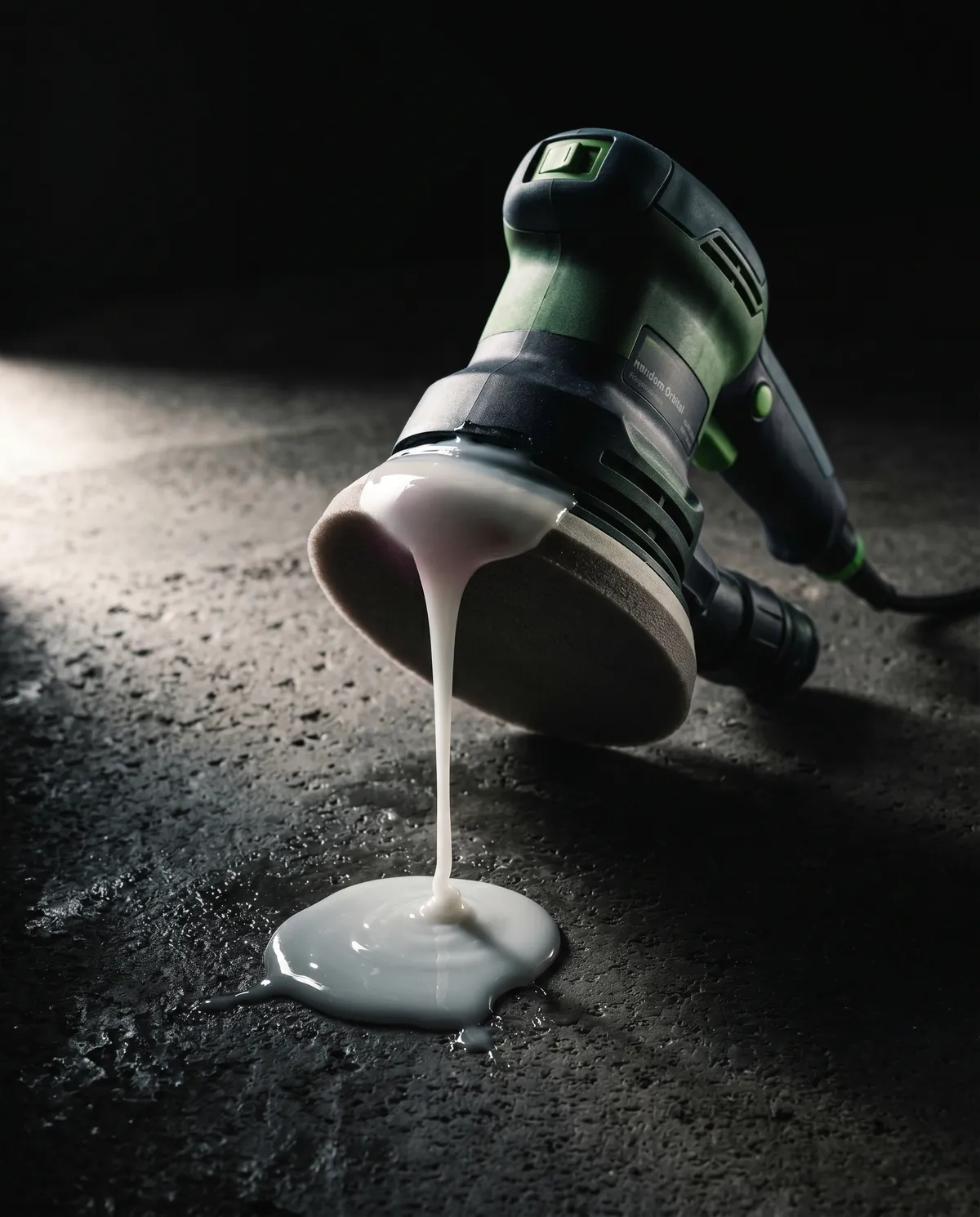
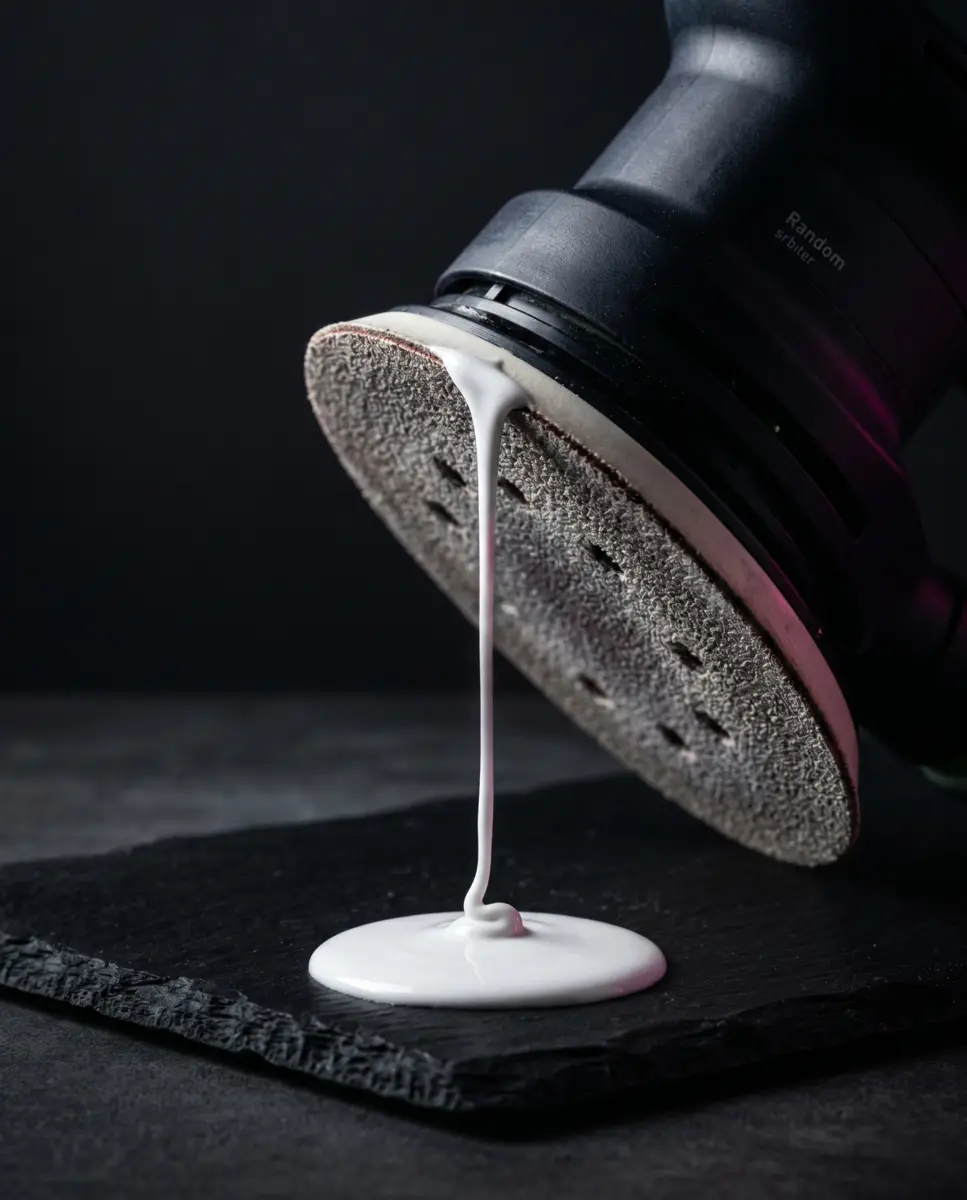
The ROTEX is a machine with two personalities and no interest in making you pick. Flip it into rotary mode and it's a brute: geared, aggressive, stripping paint and grinding stock off fast with a directness that doesn't ask nicely. Flip it into random-orbital mode and the same tool turns considerate, wandering the pad in fine orbits that finish clean and leave nothing behind for you to chase. One body, two temperaments, and the switch between them takes a second.
That range is what justifies the shelf space. Most shops keep an aggressive grinder and a separate finish sander; the ROTEX collapses both into one 150mm pad, so you strip a tabletop to bare wood and then bring it up to a fine finish without changing tools or losing your place. It's built like Festool builds things, balanced, dust-managed, controlled, which means it removes material fast without removing your control along with it.
It's expensive and it's more sander than a lot of jobs strictly require. But 'overkill you'll justify daily' is the honest read: once you've felt one tool handle both the rough demolition and the delicate reveal, going back to swapping machines feels like a chore you invented. If you sand across the full range for a living, this is the one that quietly does everyone else's job too.
Use it when
The fit is obvious.
- · Reach for the Festool ROTEX 150 Dual-Mode Sander when the job is aggressive stock removal, fine finishing, and paint correction: that is the fight it was built for.
- · Reach for it when you plan to run one tool through discs, pads, and compounds across a whole progression.
- · Reach for the machine when the surface is big enough that steady pressure and honest repetition beat hand feel.
Skip it when
The job asks for something else.
- · Leave it if a simple hand setup finishes the work before the tool is even plugged in.
- · Leave it if the budget is tight enough that value-per-pack matters more than top-end feel and longevity: good mid-tier paper will get you there slower.
- · Leave it if the job is tiny, edge-heavy, or too irregular for a machine to help more than it hurts.
Best for
Where it earns its keep.
- · aggressive stock removal
- · fine finishing
- · paint correction
Keep moving
Useful next clicks.
Before you buy
Compare it head to head.
Buyer questions
The practical questions.
What is the Festool ROTEX 150 Dual-Mode Sander actually good at?
Dual-mode brute that grinds and finishes. Overkill you'll justify daily. Rotary mode strips fast. Random orbital mode finishes clean. One machine that doesn't ask you to choose between speed and the result. In short: it earns its keep on aggressive stock removal, fine finishing, and paint correction.
Is this the right format to start with?
Treat it as a tools decision first. Reach for the machine when the surface is big enough that steady pressure and honest repetition beat hand feel.
What should you put it up against before buying?
Start with Festool ETS EC 125/3 Random Orbital Sander vs. Festool ROTEX 150 Dual-Mode Sander. Those pages show exactly where this pick wins and where a nearby one quietly does it better.
Rough start. Smooth finish. The gap between is where the work happens.
Next step
Go deeper.
House rule
UltraRough earns a small commission on Amazon links. Your price is identical. Our take doesn't soften for anyone.