The verdict
Where this pick fits.
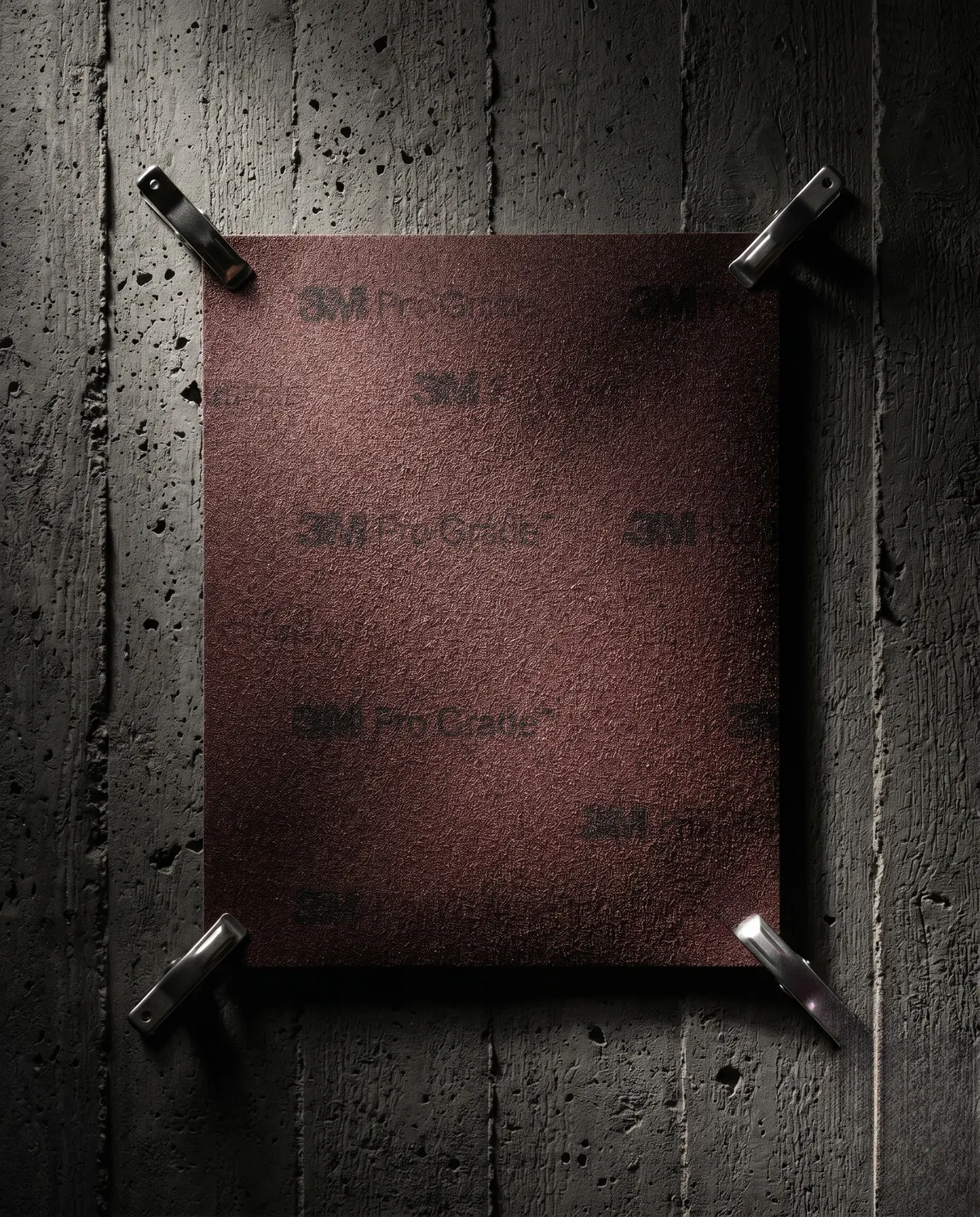
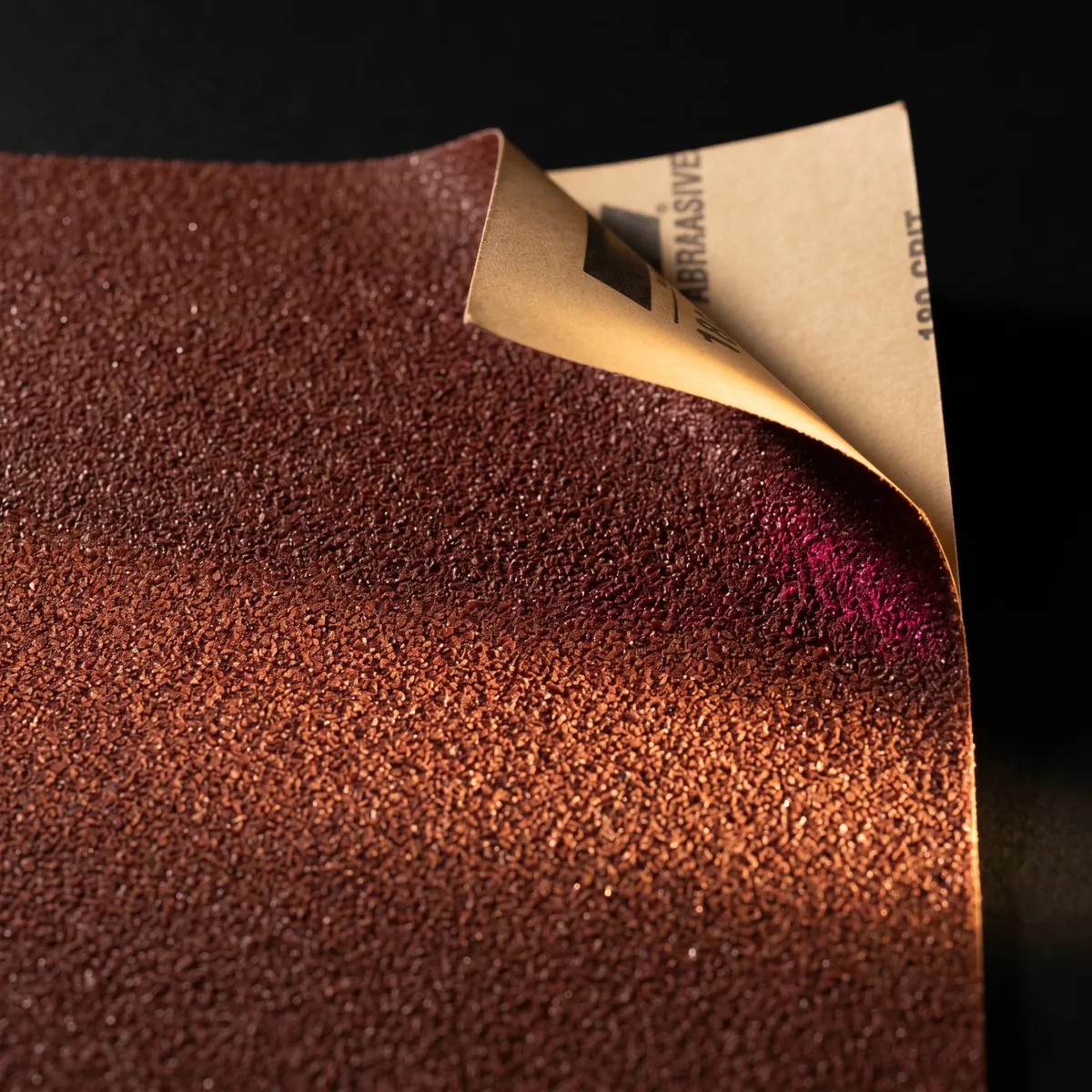
400-grit Imperial silicon carbide for sanding primer and light body work before basecoat. The extra-fine wet-or-dry sheet for panels that need to be close before the color even touches them.
Fine primer sanding. The panel is ready before the color arrives.
Quick take
- Best for: fine primer sanding, spot putty finishing, pre-basecoat prep
- Format: Sheets
- Tier: Mid tier
- Grit lane: 400
Use it when
The fit is obvious.
- · Reach for the 3M Imperial 400 Wet/Dry when the job is fine primer sanding, spot putty finishing, and pre-basecoat prep: that is the fight it was built for.
- · Silicon carbide bites sharp and fast, and it loves water. Brittle, brilliant, a little reckless: the grain that leaves glass when you keep it wet.
- · This is refinement territory. It flatters a surface that is already close; it will not rescue a rough one.
Skip it when
The job asks for something else.
- · Leave it if you still need to remove stock, paint, filler, or machine marks; fine grit only polishes over problems it cannot fix.
- · Leave it if you already know you want the premium option; a mid-tier pick is a compromise, and you clearly are not in the mood for one.
- · Leave it on the shelf if you are flattening big panels all day: a random orbital keeps pressure even where your hand drifts.
Best for
Where it earns its keep.
- · fine primer sanding
- · spot putty finishing
- · pre-basecoat prep
Keep moving
Useful next clicks.
Buyer questions
The practical questions.
What is the 3M Imperial 400 Wet/Dry actually good at?
400-grit Imperial silicon carbide for sanding primer and light body work before basecoat. The extra-fine wet-or-dry sheet for panels that need to be close before the color even touches them. In short: it earns its keep on fine primer sanding, spot putty finishing, and pre-basecoat prep.
Is 400 the right grit lane for this?
It sits closest to 400 grit. This is refinement territory. It improves the surface that is already close rather than rescuing a rough one.
What should you put it up against before buying?
Put it against other sheets in the same price band doing the same job: that is where speed, finish, and cost-per-use sort themselves out.
Rough start. Smooth finish. The gap between is where the work happens.
Next step
Go deeper.
House rule
UltraRough earns a small commission on Amazon links. Your price is identical. Our take doesn't soften for anyone.