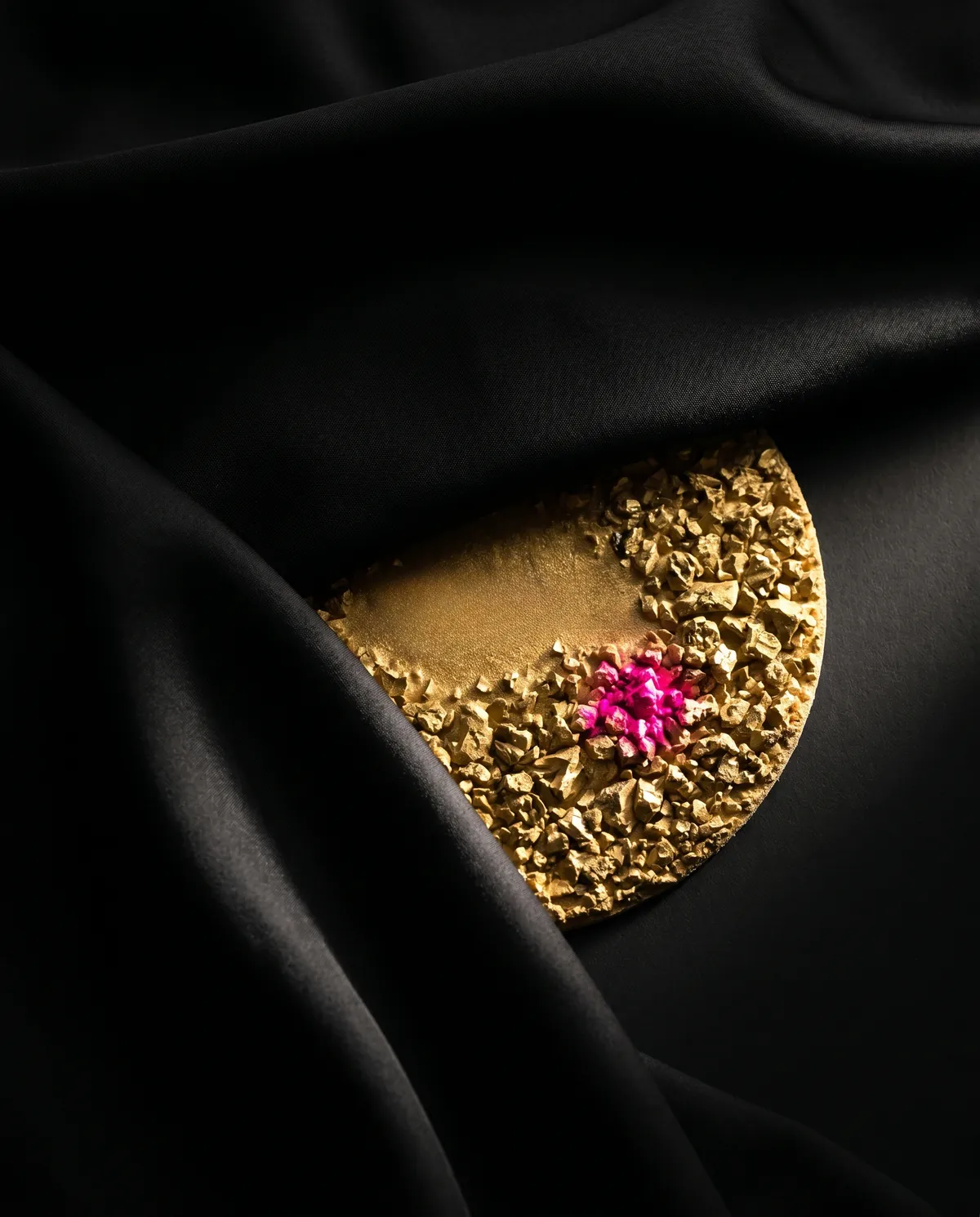
Discs
Pro
Grit · 80-400 assorted
Mirka Gold 5-inch Hook & Loop Disc Assortment
Clicks in smooth. Finnish-made. Doesn't ask you to stop.
Grit profile
Extra Fine
Wet sanding clear coat. Plastic finishing.
400 grit in other scales
If the pack says 400 (CAMI, most US paper)
~23 µmAbout the same as P800.
If it says P400 (FEPA, Festool, Mirka, Norton 3X)
~35 µmAbout the same as CAMI 320.P400, converted →
Sizes are average particle diameters from the published CAMI and FEPA tables. Full ladder in the grit chart; any grade on any scale in the grit converter.
What 400 grit is for
400-grit is where wet sanding starts to dominate. It’s standard for color-coat prep on auto-body, between-coat sanding on clear finishes, and the first refinement step on metal heading toward polish.
Projects at 400 grit
Abrasive materials
Common mistake
On clear coat, 400 is too aggressive for finish wet sanding: drop to 1000+ once the orange peel is leveled.
Top pick at 400
Mirka Gold 5-inch Hook & Loop Disc Assortment
Clicks in smooth. Finnish-made. Doesn't ask you to stop.
Catalog fit
13
Current SKU matches in this grit lane.
Common forms
2
Forms represented here, led by discs.
Head to head
2
Comparison pages currently touching this stage of the sanding climb.
Use this grit when
Skip this grit when
Clicks in smooth. Finnish-made. Doesn't ask you to stop.
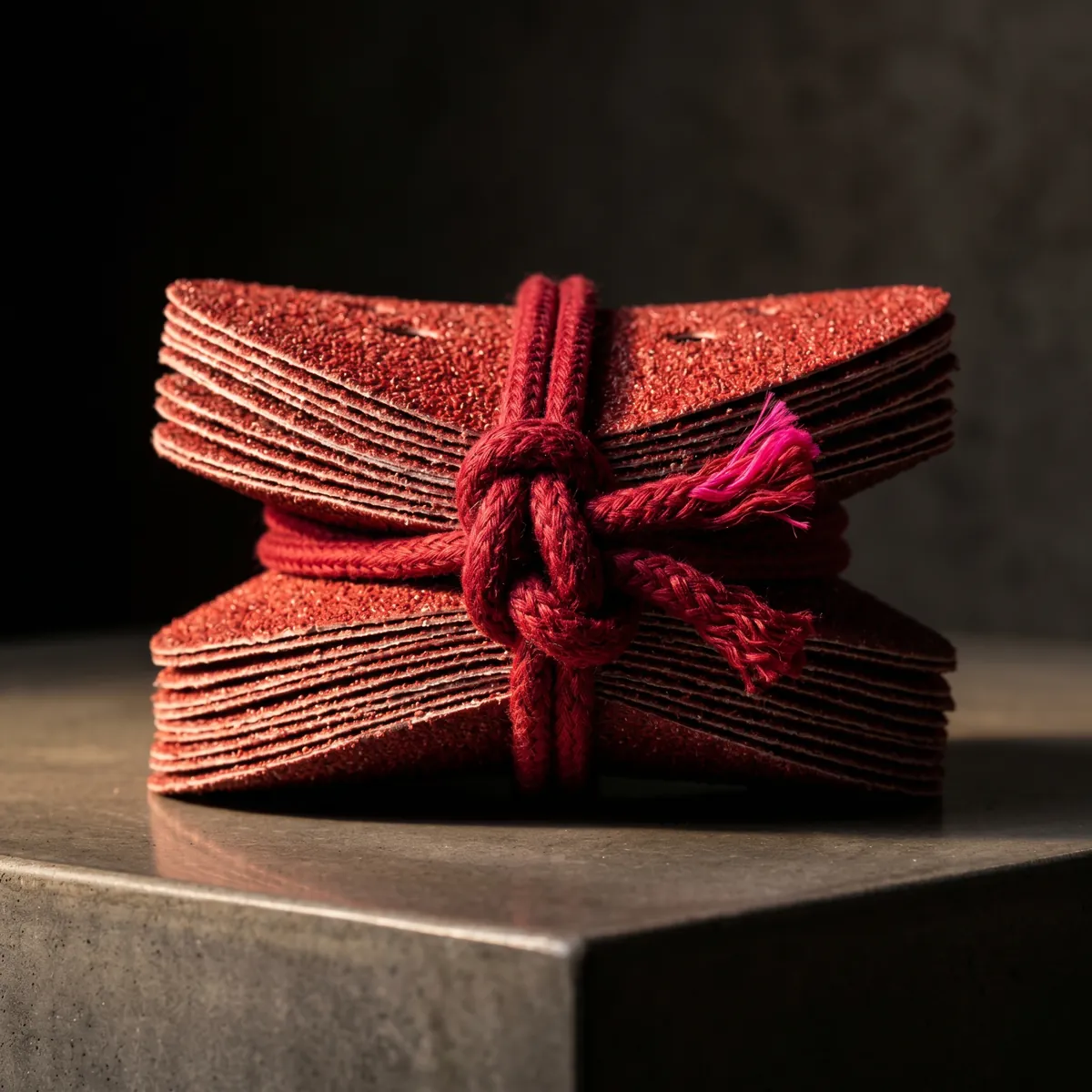
For the hard surfaces that don't open up for just anything.

400 wet. Where primer stops being primer and starts being a base.
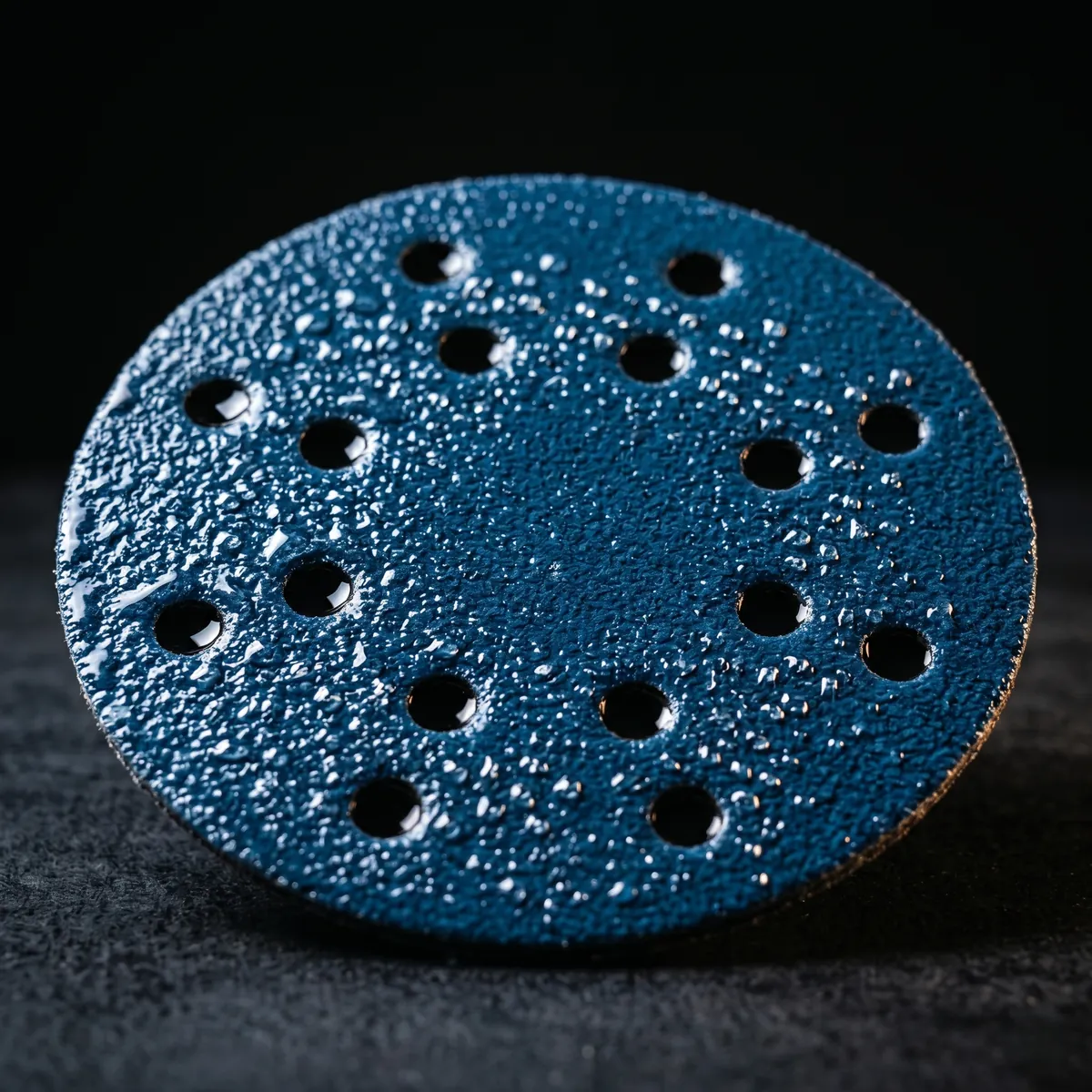
The disc the Festool deserves. Everything else is settling.
Six-inch format. Festool quality. Everything the name promises.
Six-inch format. Finnish-made. Still doesn't load, still doesn't quit.
Three grits on a flat diamond surface. The tool that never needs dressing.
Two grits, one block. Sets the edge and finishes it without switching tools.
Diamond on a file that goes where the bench stone cannot reach.
Both grits. No oil. No fuss. Sharp before you put it back in the drawer.
Extra fine. Holds its edge past where everything else gave up.
Fine primer sanding. The panel is ready before the color arrives.
Waterproof at 400. Body shop prep that does not fall apart before the job is done.
Head to head
Mirka Gold 5-inch Hook & Loop Disc Assortment vs. Diablo 5-inch ROS Discs, 120 Grit (50-pack)
Finnish precision or American volume.
Read the breakdown →
Mirka Gold 5-inch Hook & Loop Disc Assortment vs. 5-Inch Random Orbital Sander + Disc Starter Bundle
You either have the sander or you don't.
Read the breakdown →
Questions people ask
400 grit is for wet sanding clear coat. plastic finishing. This is refinement territory. It improves the surface that is already close rather than rescuing a rough one.
The safe lane is usually 320 -> 400 -> 600. You can stretch that a little on easy material, but large jumps usually leave scratches behind.
On UltraRough, this grit shows up most in discs and sheets. That reflects where shoppers usually need this cut level in the real world.
Keep moving