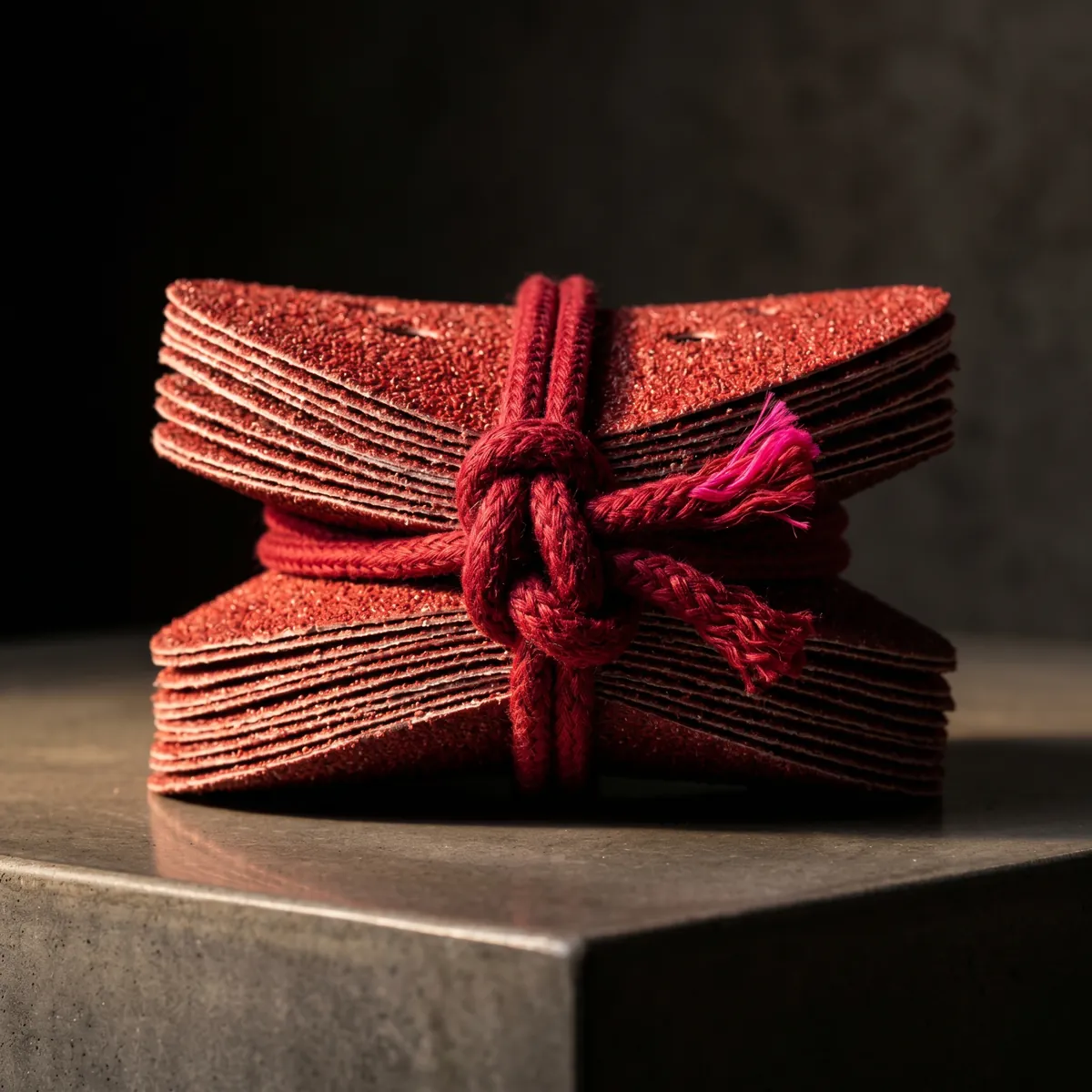
Discs
Pro
Grit · 50-3000 set
Diamond Hand Polishing Pad Set (50-3000 grit)
For the hard surfaces that don't open up for just anything.
Grit profile
Ultra Fine
Wet sanding paint. Pre-compound on metal.
1000 grit in other scales
If the pack says 1000 (CAMI, most US paper)
~10.3 µmAbout the same as P2000.
If it says P1000 (FEPA, Festool, Mirka, Norton 3X)
~18.3 µmAbout the same as CAMI 500.P1000, converted →
Sizes are average particle diameters from the published CAMI and FEPA tables. Full ladder in the grit chart; any grade on any scale in the grit converter.
What 1000 grit is for
1000-grit is wet-sanding territory for clear coat repairs, intermediate metal polishing, and plastic restoration. It removes light orange peel and leaves a uniform satin haze that 1500 or 2000 takes the rest of the way.
Projects at 1000 grit
Abrasive materials
Common mistake
Always use water (or soapy water) with 1000-grit wet/dry: running it dry loads the abrasive instantly and ruins the surface.
Top pick at 1000
Diamond Hand Polishing Pad Set (50-3000 grit)
For the hard surfaces that don't open up for just anything.
Catalog fit
5
Current SKU matches in this grit lane.
Common forms
2
Forms represented here, led by discs.
Head to head
1
Comparison pages currently touching this stage of the sanding climb.
Use this grit when
Skip this grit when
For the hard surfaces that don't open up for just anything.
The grits between the rough work and the reveal.

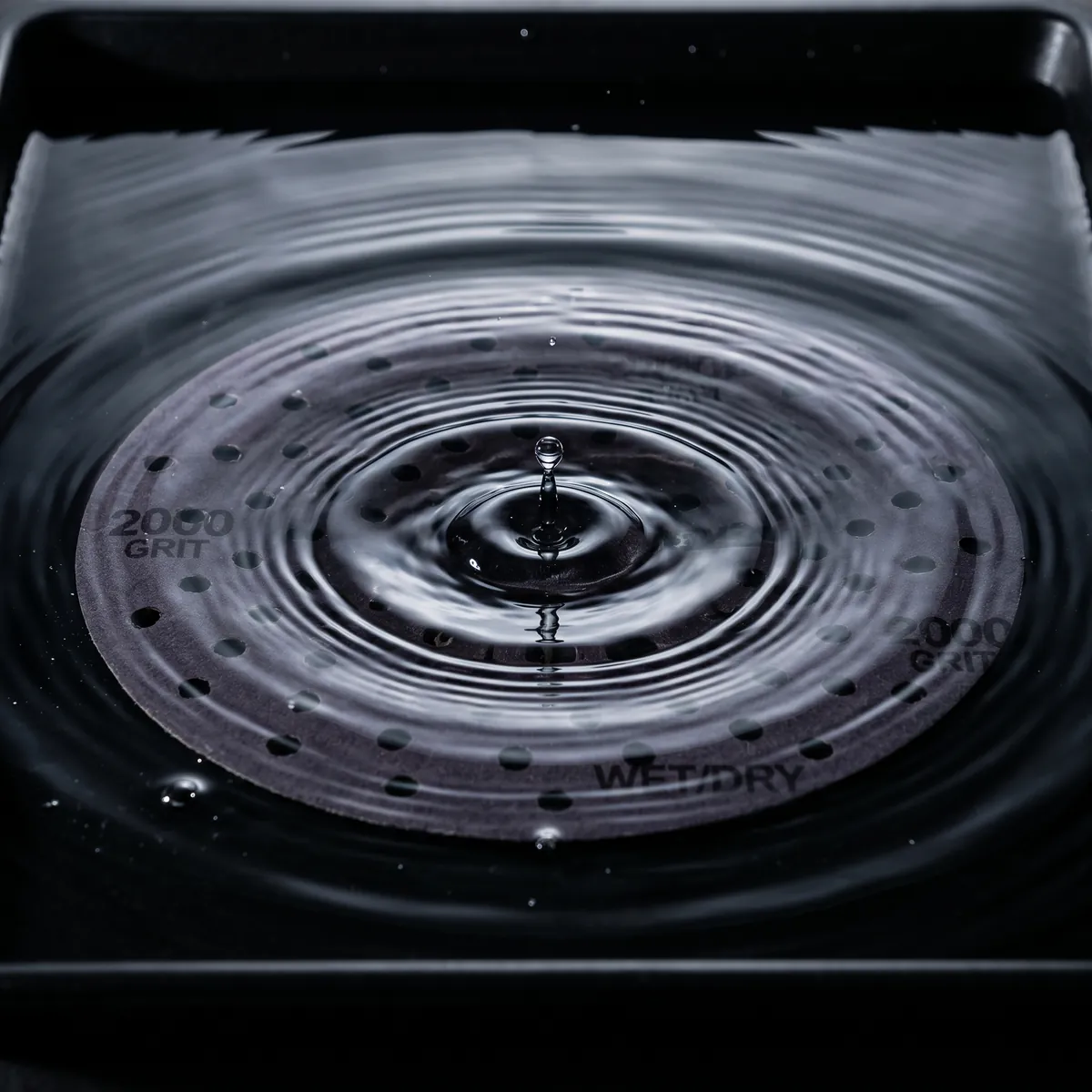
1000 wet. The surface is starting to get the message.
Two grits, one block. Sets the edge and finishes it without switching tools.
Head to head
Questions people ask
1000 grit is for wet sanding paint. pre-compound on metal. This is refinement territory. It improves the surface that is already close rather than rescuing a rough one.
The safe lane is usually 800 -> 1000 -> 1500. You can stretch that a little on easy material, but large jumps usually leave scratches behind.
On UltraRough, this grit shows up most in discs and sheets. That reflects where shoppers usually need this cut level in the real world.
Keep moving