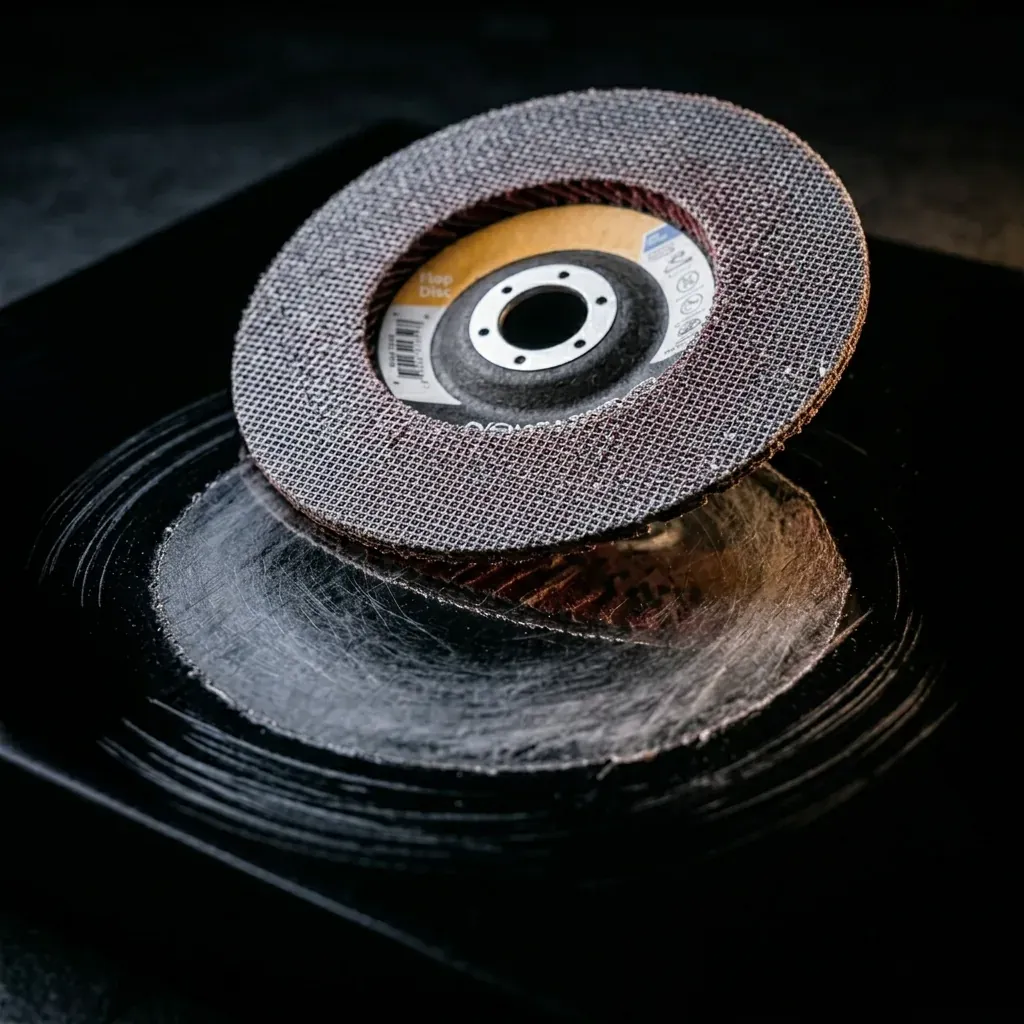
Sponges
Pro
Mirka Interface Pad 5-Inch, 3/8-Inch Foam
Finnish foam. Enough give to follow the curve. Enough body not to collapse into it.
Sponges
This lineup leans hardest into trim work, contoured surfaces, curved surfaces, auto-body. Start with the form, then narrow by grit and price tier.
Reviewed
26
Current picks in this form factor.
Common grit lanes
5
Relevant grit pages currently connected to this form.
Head to head
3
Comparison pages featuring this format right now.
Choose this form when
Skip this form when
Starting points
Finnish foam. Enough give to follow the curve. Enough body not to collapse into it.
Six shapes for six situations. Nothing gets skipped. Nothing gets away.
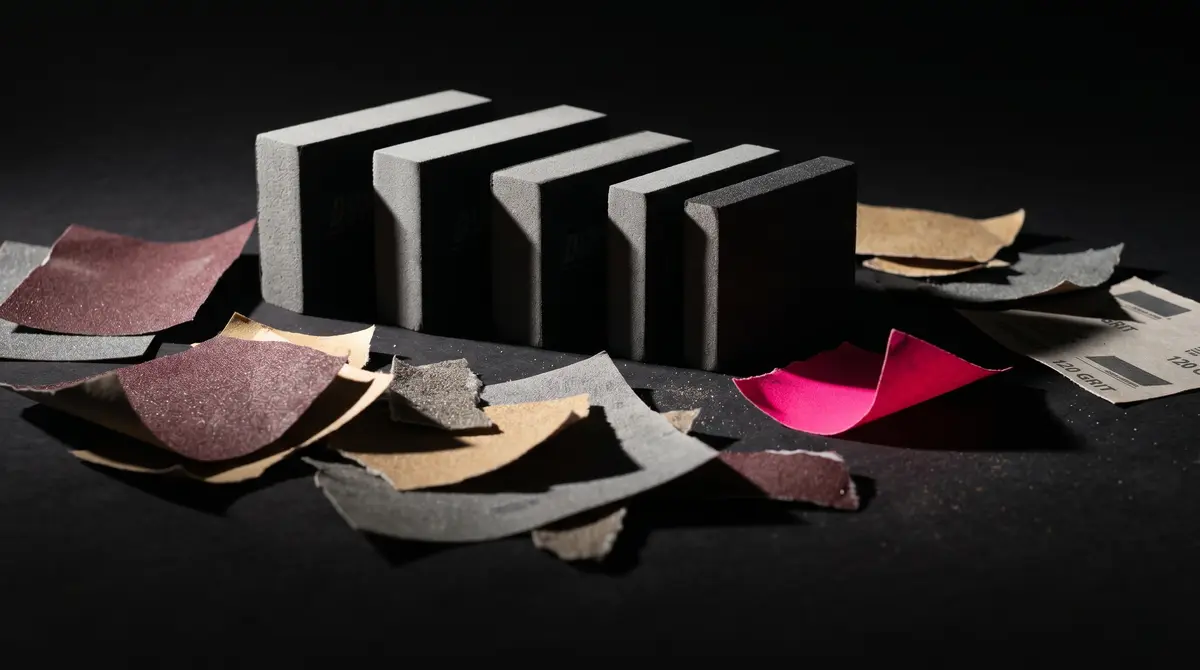
Soft on the outside. Firm when it counts. Rinses and comes back for more.
Soft on the outside. Firm when it counts. Rinses and comes back for more.
Squeezes into any contour, rinses clean, and comes back ready. Angled for corners. Not everything worth reaching for needs to be rigid.
Six shapes for six situations. Nothing gets skipped. Nothing gets away.
Six shapes that put the paper in direct contact with every contour on the panel. Everything gets the attention it deserves; nothing gets skipped.

Comes in heavy. Leaves the surface ready for whatever comes next.
Maroon is 3M's Very Fine grade, sold as roughly 320 to 400 grit: aggressive enough to scuff old finish, controlled enough not to destroy what's underneath. The opener in any surface prep sequence.
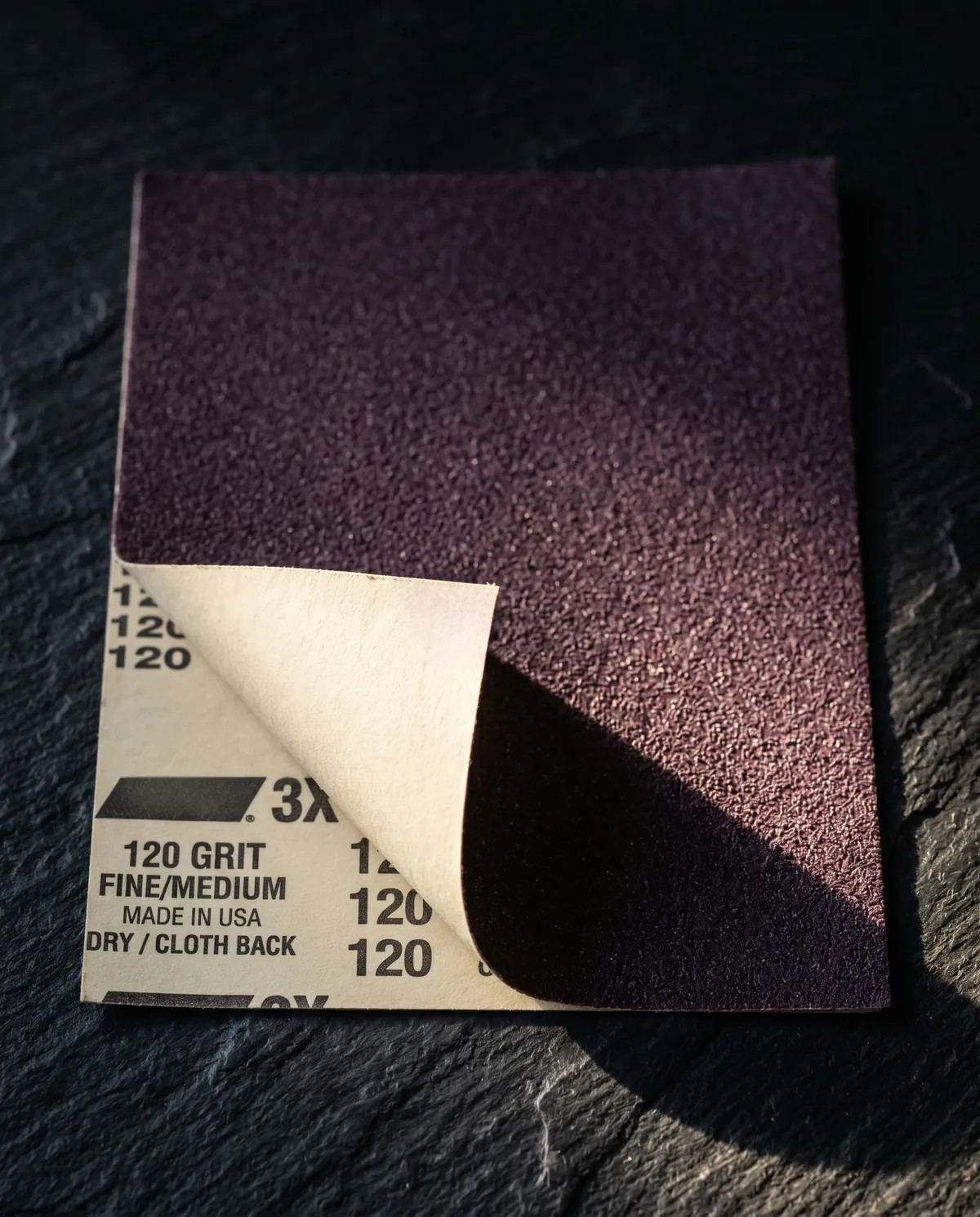
Two grits, one block. Reaches every profile a flat sheet walks past.
Conforms to every profile sheet sandpaper can't follow. Fine on one side, medium on the other. Rinse it and it comes back for another pass.
For the detail work that won't stand still for a sheet.
Small, shaped, and exact. Reach into corners, curves, and detail work that sheet sandpaper gave up on years ago.
European made. Reaches every detail the block passes over.
European made in shapes that reach model grooves and casting details. The stick that does the work the block can't see.
Green grit. The middle ground between maroon and gray.
Green runs ~80-grit equivalent. Aggressive scuffing without the aggression. Cleans up finishes that need respect.
Blue grit. Between coats. Never apologizes.
Blue runs ~220-grit equivalent. Fine enough for between coats, tough enough not to disappear mid-stroke.
Rinse it. Two grits. Comes back ready.
Two grits on one block. Rinse and it comes back for another pass. The kind of tool that earns a permanent spot on the workbench.
Two angles, one block. Reaches what a flat sheet walks past.
Two angled edges reach the corners flat sandpaper walks past. Fine grit for the finishing pass on trim, molding, and anything with a profile.
Bends. Conforms. Finishes. Exactly in that order.
Four foam blocks in four grits. Conforms to the work instead of demanding the work conform to it.
Finnish foam. Flat where you need it, flexible where you don't.
Finnish-made foam with enough backbone to hold a flat surface and enough flex to follow a curve. Three grits from coarse through finish.
Coarse to clear, medium to close. One block, two stages.
Coarse on one side for the first pass, medium when the surface starts to give way. Goes everywhere sheet sandpaper can't.
Four sides, one grit. Flat pressure from the hand to the surface.
Pre-cut foam block with 100-grit aluminum oxide bonded to four faces. Comfortable grip, consistent pressure, and four working surfaces before it needs replacing.
Bends. Follows the curve. Hits the places flat paper never touches.
Flexible foam block that conforms to curved profiles and irregular surfaces flat sandpaper skips. Assorted grits for the finishing sequence that navigates actual shapes.
Ultra-fine sponge. The pass before the finish coat makes the surface its own.
Ultra-fine sponge for the last pass before the finish coat. Conforms, rinses, and comes back for another stroke without losing the grit or the edge.
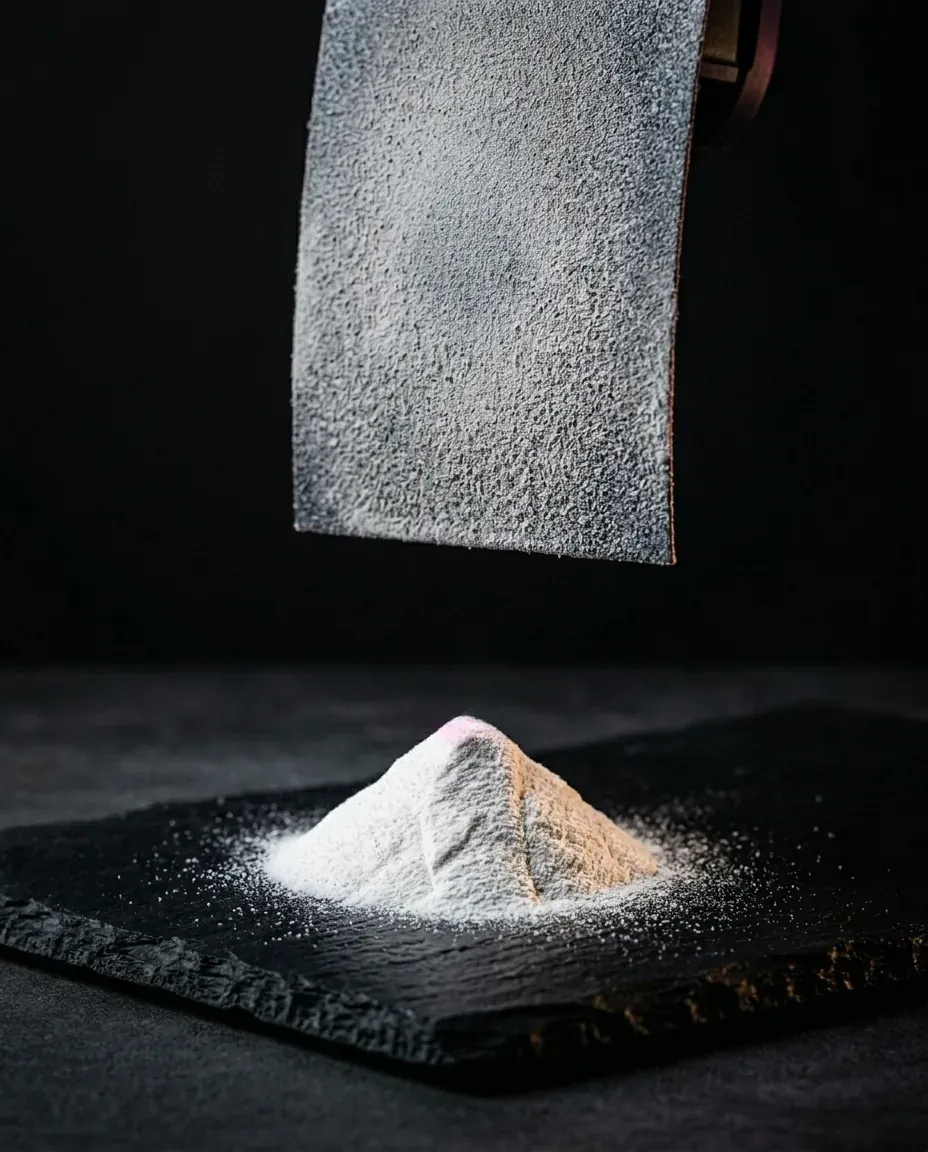
The coarse pass on the pole. Takes down what the finishing grits cannot afford to touch.
Hook-and-loop pole pads at the coarse drywall grit for attacking high spots and heavy mud on the first pass. Goldblatt pads fit the standard pole sander and take the work that requires the most abrasion before the finishing grits can begin.
The finisher grit on a pole. Joint compound that is ready for primer.
The trade pole grit for joint finishing and tape-coat leveling. Goldblatt 120 hook-and-loop pads are what drywall finishers reach for when the heavy work is done and the surface needs to become paint-ready.
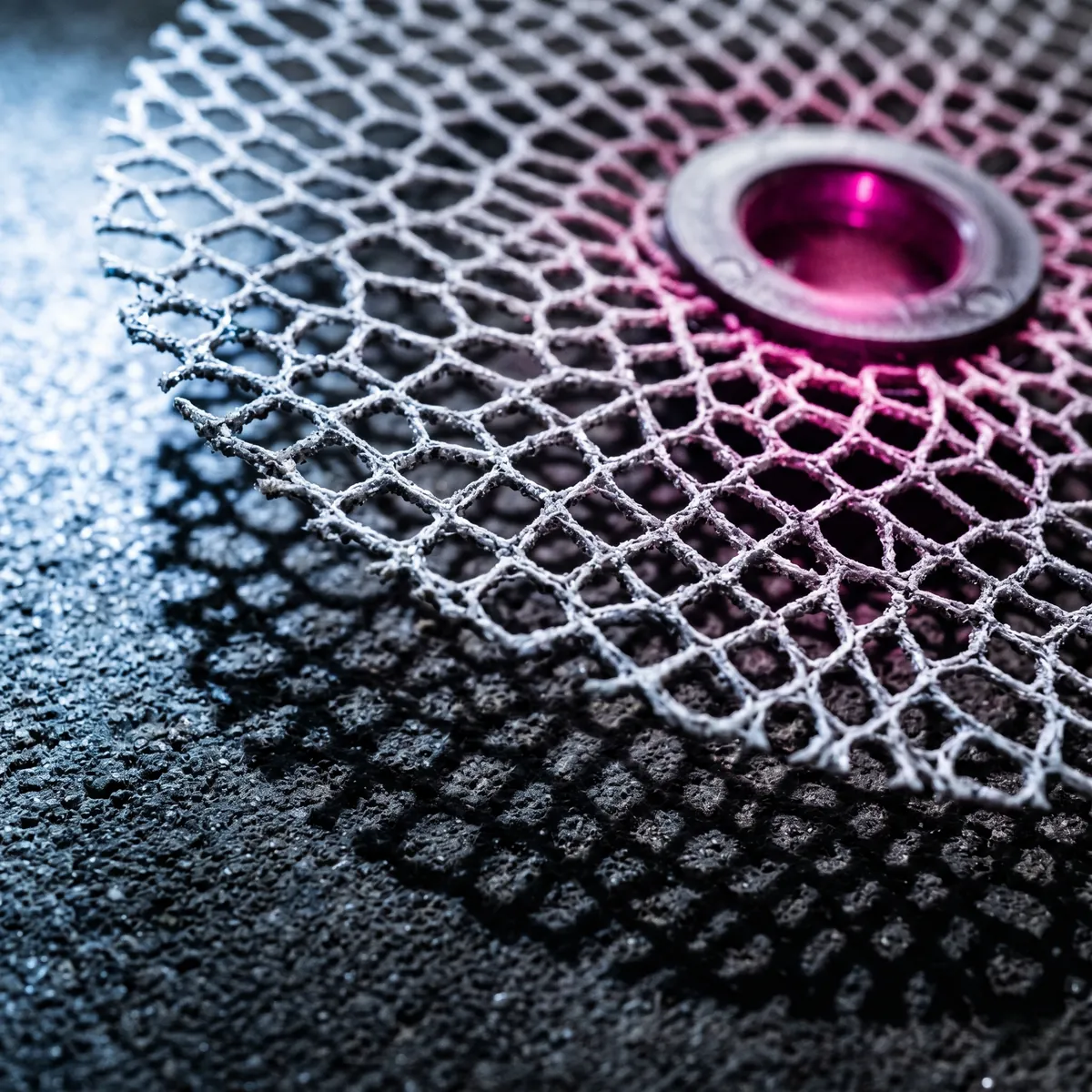
The last pole pass before primer. Smooth enough to paint, gentle enough to stop here.
The fine drywall pole grit for the last pass before paint. Goldblatt 150 takes the finish coat level without cutting into the paper face beneath. The decision point between good enough and actually smooth.
USG pole pads on USG compound. Designed to smooth the same product it was made with.
USG fine-grit pole pads for the last prep pass before primer. From the compound brand that is already on the wall — these pads are designed to smooth it without lifting it.
Flexible where the panel is. Even pressure where it matters most.
The flexible Dura-Block for curved panels and body contours: applies even pressure across the sand paper where a rigid block would rock and a sponge would give too much. The auto body block for surfaces that are not flat on purpose.
Full-size, hook-and-loop, flat. The long board that does not telegraph excuses.
The full-size Dura-Block in hook-and-loop format for fast disc changes on long sanding sessions. Flat, consistent, and dense enough to keep automotive paper from telegraphing unevenness through to the panel.
Goes between the machine and the disc. Lets the abrasive follow the surface instead of ignoring it.
The foam layer that goes between the Hookit machine and the sanding disc on curved surfaces. Lets the disc conform instead of bridge — for the orbital sander on compound curves that a flat pad skips entirely.
6 inches of foam compliance. The machine follows the curve instead of fighting it.
The 6-inch version of the foam interface layer for larger orbital sanders and curved automotive panels. More contact area per pass on compound curves that would otherwise get hit-and-miss coverage from a rigid backing.
Finnish foam. Enough give to follow the curve. Enough body not to collapse into it.
Finnish foam interface for the Mirka orbital system and any 5-inch hook-and-loop sander. The 3/8-inch foam thickness that balances compliance with enough rigidity to prevent the disc from tracking into convex surfaces.
Economy foam sanding. The block you use without ceremony and replace without regret.
Economy foam sanding blocks for hand finishing, between-coat prep, and trim work. Washable, multi-sided, and priced for the jobs where the foam block is a consumable rather than a tool you think about.
Head to head
3M Angled Sanding Sponges (6-pack), Wet or Dry vs. Drywall Pole Sander Kit, 81" + 15 Sheets (80–240 grit)
Two halves of the same drywall job.
Read the comparison →
3M Angled Sanding Sponges (6-pack), Wet or Dry vs. Dura-Block AF44 Six-Piece Block Set
Conform to the contour, or flatten it.
Read the comparison →
3M Scotch-Brite Maroon Heavy Duty Hand Pad (10-pack) vs. 3M Scotch-Brite Gray Ultra Fine Hand Pad (10-pack)
The opening scuff or the closing one.
Read the comparison →
Buyer questions
Reach for a sponge or pad when the surface curves, flexes, or gets wet and rigid paper keeps fighting you.
Sponges on UltraRough show up most often around trim work, contoured surfaces, curved surfaces, and auto-body. That is where this form earns its place.
Start with 40 grit, 60 grit, 80 grit, and 100 grit. Those are the numbers this form most often overlaps with in the current catalog.
Keep moving